
14 mental disorders share common genetic roots
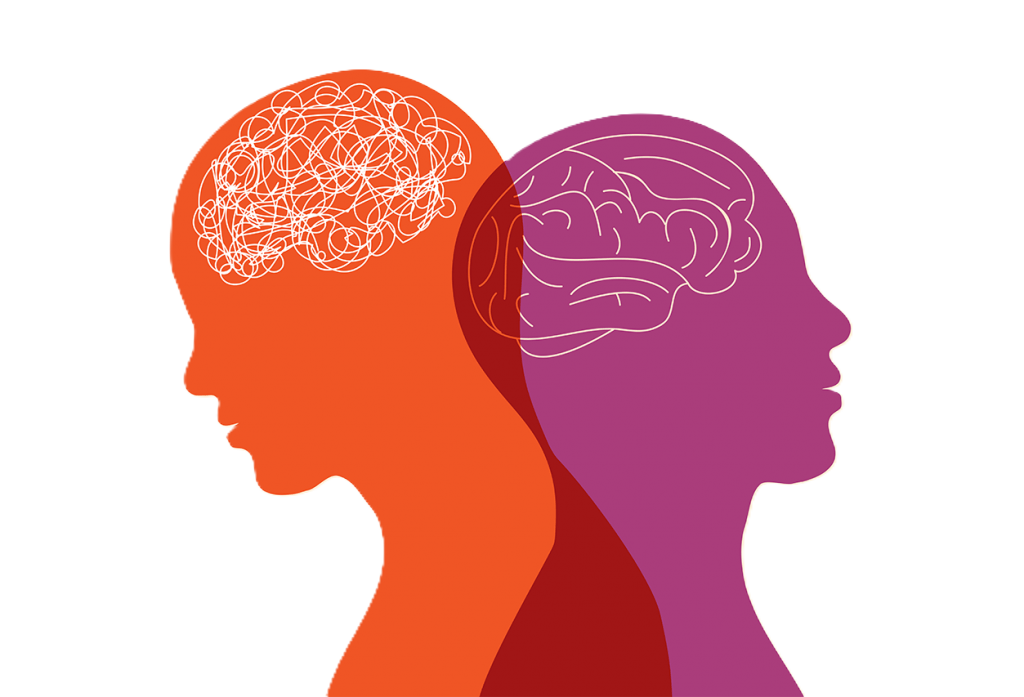
A massive scientific study published in the journal “Nature” revealed that many mental disorders, which were usually viewed as separate diseases, have overlapping genetic roots. Researchers assert that these findings could transform the way these conditions are classified, diagnosed, and treated in the future.
The study, titled “Mapping the genetic landscape across 14 psychiatric disorders,” was conducted through extensive collaboration between researchers from more than ten global academic institutions, including the University of Colorado Boulder in the United States and Harvard University in Britain.
The study involved the Psychiatric Genomics Consortium Cross Disorder Working Group, led by researcher Andrew de Grotzinger.
The research was based on extensive genomic data that included more than 1.56 million cases of mental disorders, along with millions of healthy people. The researchers used advanced human genome analyses to identify the genetic factors common to these disorders.
Five key genetic factors
The results showed that 14 major mental disorders could be classified into five genetic groups reflecting the genetic links between them:
- The compulsive factor: This includes obsessive-compulsive disorder and conditions related to compulsive behavior and nervous tension.
- The schizophrenia-bipolar factor: These two disorders overlap in about 70% of the influencing genetic factors, which explains some of the similarities in symptoms and response to treatment.
- Neurodevelopmental factor: This includes autism spectrum disorders and attention deficit hyperactivity disorder (ADHD).
- The internalizing factor: This encompasses depression, anxiety, and post-traumatic stress disorder.
- The factor related to substance use (Substance Use Disorders factor).
The study also identified 238 genetic loci associated with these disorders, reflecting a complex network of genetic overlaps between different psychiatric illnesses.
Common biological mechanisms
The study showed that a large number of shared genes affect key neural pathways in the brain, including the regulation of neural signals and the functions of glial cells, which play a pivotal role in neurological and behavioral health.
One of the most notable findings of the research is the existence of genetic hotspots on chromosome 11 that include genes such as the dopamine receptor D2 (DRD2) gene, which is responsible for regulating dopamine, a neurotransmitter associated with mood, motivation, and behavior.
These results explain why some antipsychotics are effective in treating schizophrenia and other mental disorders.
Re-evaluating the diagnosis and treatment
The results suggest that the current classification of mental disorders, based mainly on observing behavioral symptoms, may be limited because it does not reflect the true biological differences between patients.
The researchers suggest adopting a diagnostic and therapeutic approach based on shared genetic patterns, which could contribute to the development of more accurate and effective treatments that target the same biological mechanisms rather than treating each disorder as a separate case.
Despite the importance of the study, the researchers point out that the majority of the genetic samples came from people of European origin, which calls for expanding the scope of future studies to include a wider genetic diversity, allowing the results to be generalized to different population groups.
Researchers also emphasize that genes are not the only factor in the development of mental disorders, but rather they interact with environmental, psychological and social factors, such as stress, life experiences and psychological traumas, in determining the level of health risks.
This study is an unprecedented step towards understanding the genetic structure of mental disorders, and experts believe it may pave the way for updating future versions of the Diagnostic and Statistical Manual of Mental Disorders, so that future diagnoses will rely on biological indicators alongside traditional clinical assessment, which may reshape the foundations of psychiatry in the coming years.
References
14 mental disorders share common genetic roots., aljazeera, www.aljazeera.net/health/2026/1/17/14-اضطرابا-نفسيا-تشترك-في-جذور-جينية
Archives
Topics
- High Cholesterol: A Silent Threat to Heart Health 151 January 13, 2026
- Between psychology and biology… why is it difficult to stick to a strict diet? 129 January 15, 2026
- The European Union approves a drug that slows the progression of type 1 diabetes. 128 January 13, 2026
- A modern treatment that protects vision: Your comprehensive guide to intravitreal injections. 128 January 16, 2026
- New AI tools make disease detection accessible to everyone. 127 January 13, 2026