

Encephalitis
- Home
- Brain and Nerves
- Encephalitis
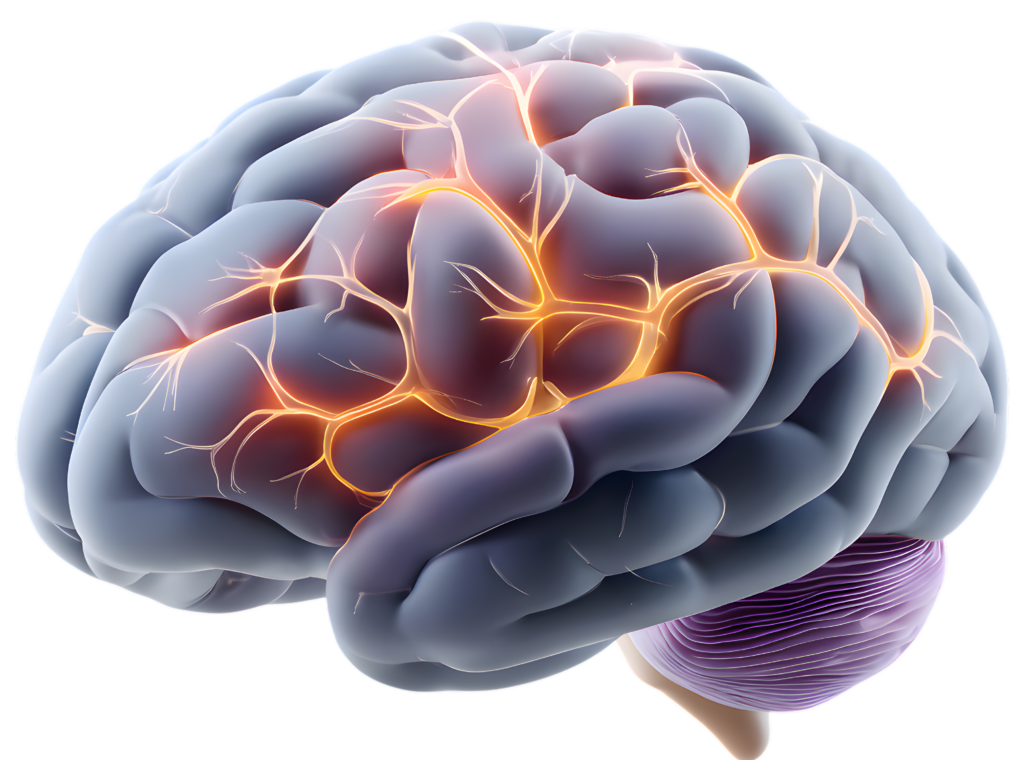
Encephalitis is irritation and swelling (inflammation) of the brain, most often due to infections.
Encephalitis is a rare condition. It occurs more often in the first year of life and decreases with age. The very young and older adults are more likely to have a severe case.
Encephalitis is most often caused by a virus. Many types of viruses may cause it. Exposure can occur through:
- Breathing in droplets from the nose, mouth, or throat from an infected person
- Contaminated food or drink
- Mosquito, tick, and other insect bites
- Skin contact
Different viruses occur in different geographic locations. Many cases occur during a certain season.
Encephalitis caused by the herpes simplex virus is the leading cause of more severe cases in all ages, including newborns.
Routine vaccination has greatly reduced encephalitis due to some viruses, including:
- Measles
- Mumps
- Polio
- Rabies
- Rubella
- Varicella (chickenpox)
Other viruses that cause encephalitis include:
- Adenovirus
- Coxsackievirus
- Cytomegalovirus
- Eastern equine encephalitis virus
- Echovirus
- Japanese encephalitis, which occurs in Asia
- West Nile virus
After the virus enters the body, the brain tissue swells. This swelling may destroy nerve cells, and cause bleeding in the brain and brain damage.
Other causes of encephalitis may include:
- An allergic reaction to vaccinations
- Autoimmune disease
- Bacterial infections such as Lyme disease, syphilis, and tuberculosis
- Parasites such as roundworms, cysticercosis, and toxoplasmosis in people with HIV/AIDS and other people who have a weakened immune system
- The effects of cancer
Some people may have symptoms of a cold or stomach infection before encephalitis symptoms begin.
When this infection is not very severe, the symptoms may be similar to those of other illnesses:
- Fever that is not very high
- Mild headache
- Low energy and a poor appetite
Other symptoms include:
- Clumsiness, unsteady gait
- Confusion, disorientation
- Drowsiness
- Irritability or poor temper control
- Light sensitivity
- Stiff neck and back (sometimes)
- Vomiting
Symptoms in newborns and younger infants may not be as easy to recognize:
- Body stiffness
- Irritability and crying more often (these symptoms may get worse when the baby is picked up)
- Poor feeding
- Soft spot on the top of the head may bulge out more
- Vomiting
Emergency symptoms:
- Loss of consciousness, poor responsiveness, stupor, coma
- Muscle weakness or paralysis
- Seizures
- Severe headache
- Sudden change in mental functions, such as flat mood, impaired judgment, memory loss, or a lack of interest in daily activities
Your health care provider will perform a physical exam and ask about symptoms.
Tests that may be done include:
- Brain MRI
- CT scan of the head
- Single-photon emission computed tomography (SPECT)
- Culture of cerebrospinal fluid (CSF), blood, or urine (however, this test is rarely useful)
- Electroencephalogram (EEG)
- Lumbar puncture and CSF examination
- Tests that detect antibodies to a virus (serology tests)
- Test that detects tiny amounts of bacteria or virus DNA (nucleic acid amplification)
The goals of treatment are to provide supportive care (rest, nutrition, fluids) to help the body fight the infection, and to relieve symptoms.
Medicines may include:
- Antiviral medicines, if a virus caused the infection
- Antibiotics, if bacteria are the cause
- Antiseizure medicines to prevent seizures
- Steroids to reduce brain swelling
- Sedatives for irritability or restlessness
- Acetaminophen for fever and headache
If brain function is severely affected, physical therapy and speech therapy may be needed after the infection is controlled.
- Setting Up Your Home
- Watching Your Skin
- Treating Pain
- Remove loose wires and rugs from areas where you walk.
- Do not keep small pets in your home.
- Fix uneven flooring in doorways.
- Have good lighting.
- Put handrails in the bathtub or shower and next to the toilet. Place a slip-proof mat in the bathtub or shower.
Wear shoes at all times to protect your feet from injury. Before you put them on, always check inside your shoes for stones or rough areas that may hurt your feet.
Check your feet every day. Look at the top, sides, soles, heels, and between the toes. Wash your feet every day with lukewarm water and mild soap. Use lotion, petroleum jelly, lanolin, or oil on dry skin.
Check bathwater temperature with your elbow before putting your feet in the water.
Avoid putting pressure on areas with nerve damage for too long.
Medicines may help reduce pain in the feet, legs, and arms. They usually do not bring back loss of feeling. Your provider may prescribe:
- Pain pills
- Topical agents that relieve pain
- Medicines that treat seizures or depression, which can also manage pain
Your provider may refer you to a pain specialist. Talk therapy may help you better understand how your pain is affecting your life. It can also help you learn ways to better cope with pain.
The outcome varies. Some cases are mild and short, and the person fully recovers. Other cases are severe, and permanent problems or death is possible.
The acute phase normally lasts for 1 to 2 weeks. Fever and symptoms gradually or suddenly disappear. Some people may take several months to fully recover.
Symptoms are often worst during the teenage years and then improve in early adulthood. In some people, symptoms go away entirely for a few years and then return. In a few people, symptoms do not return at all.
Permanent brain damage may occur in severe cases of encephalitis. It can affect:
- Hearing
- Memory
- Muscle control
- Sensation
- Speech
- Vision
Children and adults should avoid contact with anyone who has encephalitis.
Controlling mosquitoes (a mosquito bite can transmit some viruses) may reduce the chance of some infections that can lead to encephalitis.
- Apply an insect repellant containing the chemical DEET when you go outside (but do not use DEET products on infants younger than 2 months).
- Remove any sources of standing water (such as old tires, cans, gutters, and wading pools).
- Wear long-sleeved shirts and pants when outside, especially at dusk.
Children and adults should get routine vaccinations for viruses that can cause encephalitis. People should receive specific vaccines if they are traveling to places such as parts of Asia, where Japanese encephalitis is found.
Vaccinate animals to prevent encephalitis caused by the rabies virus.
Go to the emergency room or call 911 or the local emergency number if you have:
- Sudden fever
- Other symptoms of encephalitis
References
Beckham JD, Tyler KL. Encephalitis. In: Bennett JE, Dolin R, Blaser MJ, eds. Mandell, Douglas, and Bennett’s Principles and Practice of Infectious Diseases. 9th ed. Philadelphia, PA: Elsevier; 2020:chap 89.
Bronstein DE, Glaser CA. Encephalitis and meningoencephalitis. In: Cherry JD, Harrison GJ, Kaplan SL, Steinbach WJ, Hotez PJ, eds. Feigin and Cherry’s Textbook of Pediatric Infectious Diseases. 8th ed. Philadelphia, PA: Elsevier; 2019:chap 36.

Ad
Women have unique health issues. And some of the health issues that affect both men and women can affect women differently.
Book your appointment TODAY!
Search on the closest Doctor to your location and book based on specialty. EARN 10 POINTS more with CuraPOINT.
BOOK-
Find a healthcare provider near you
-
Call for support
-
Feel free to message us!
About Us
Curafile is a Medical Cyclopedia, biggest Healthcare Curated Network Globally, serves citizens, service providers in one place.
- Estonia - Qatar
Jordan - Saudi Arabia