
Myositis
- Home
- Bones, Joints and Muscles
- Myositis
Myositis makes your immune system attack your muscles. Depending on which type of myositis you have, you’ll have a hard time moving or using your affected muscles. There’s no cure for myositis, but in most cases, treatment can put it into remission.
What is myositis?
Myositis is a disease that makes your immune system attack your muscles. It causes chronic inflammation — swelling that comes and goes over a long time. Eventually, this inflammation makes your muscles feel increasingly weak. It can also cause muscle pain.
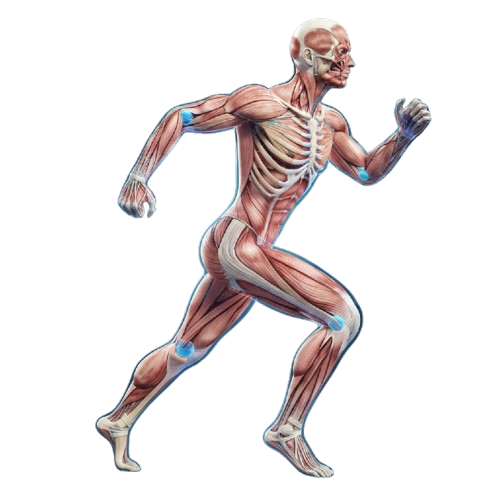
Myositis is a type of myopathy. Myopathy is a general term that refers to diseases that affect the muscles that connect to your bones (skeletal muscles). Different forms of myositis affect different groups of muscles throughout your body. Myositis usually affects the muscles you use to move, including muscles in your:
- Arms and shoulders.
- Legs and hips.
- Abdomen and spine (your trunk).
Other people with myositis experience muscle weakness on or near their:
- Eyes.
- Esophagus.
- Diaphragm.
Experts aren’t certain what causes myositis, and there’s no cure for it. Your healthcare provider will treat the symptoms you’re experiencing. They’ll also recommend exercises like stretching and physical movements that can help strengthen your affected muscles between episodes of myositis symptoms.
Visit a healthcare provider if you feel weak, have trouble moving or notice new pain or rashes on your skin. Go to the emergency room if you have trouble breathing or swallowing.
What are the types of myositis?
A healthcare provider will diagnose a type of myositis based on your symptoms and the location of your affected muscles. There are a few different forms of myositis, including:
- Polymyositis.
- Dermatomyositis.
- Inclusion body myositis.
Polymyositis
Polymyositis affects multiple muscles at the same time. It usually causes symptoms in muscles on or near the center of your body.
Polymyositis develops gradually over time. It typically affects adults. Females are twice as likely to develop polymyositis than males.
If you have polymyositis, you might have trouble performing movements you usually can, including:
- Standing up after sitting.
- Climbing stairs.
- Lifting objects.
- Reaching over your head.
Dermatomyositis
Dermatomyositis is a form of myositis that affects your skin in addition to your muscles.
Some cases take months to develop, but dermatomyositis can develop quickly. The sooner you begin treatment, the more likely it is you can avoid having severe complications.
In rare cases, dermatomyositis can be fatal, especially in the first year after symptoms start. It can also increase your risk of developing certain kinds of cancer.
Anyone can experience dermatomyositis. If it affects children, it’s known as juvenile dermatomyositis.
Inclusion body myositis
Inclusion body myositis is a degenerative muscle disease. It usually affects people older than 50.
Inclusion body myositis causes muscle weakness in your extremities (your hands and your legs below your knees). It can also affect the muscles in your throat that help you swallow. Around 30% of people with inclusion body myositis develop dysphagia (difficulty swallowing).
If you have inclusion body myositis, it might be hard to:
- Use your hands and fingers to do precise tasks like buttoning a shirt.
- Grip something small.
- Walk or stand.
- Swallow.
What causes myositis?
Experts don’t know for sure what causes myositis. It can occur on its own, but it’s sometimes triggered by other health conditions.
Myositis is an autoimmune disease. Autoimmune diseases are the result of your immune system accidentally attacking your body instead of protecting it. It’s unclear why your immune system does this. Some people with other autoimmune diseases are more likely to develop myositis, including:
Some people develop myositis after they have a viral infection, including:
What are the symptoms of myositis?
Myositis symptoms include:
- Muscle weakness.
- Joint or muscle pain.
- Fatigue.
- Swelling.
- Trouble breathing or swallowing.
- Arrhythmia (if the myositis affects your heart).
During an episode of symptoms, you might have trouble moving or doing certain activities you usually can. You might get tired faster, or feel like you can’t control your arms, hands or legs.
Different types of myositis have different symptoms. Your provider will tell you what to expect and which symptoms you’ll experience.
How is myositis diagnosed?
A healthcare provider will diagnose myositis with a physical exam and tests. They’ll examine your symptoms and ask you how it feels when you do certain movements or motions. You might need a few tests, including:
- Blood tests.
- MRI (magnetic resonance imaging).
- EMG (electromyography).
- A muscle biopsy.
How is myositis treated?
There’s no cure for myositis. Your provider will treat your symptoms to reduce their impact on your daily routine. Their goal will be to treat your symptoms until the myositis goes into remission (when there’s little or no inflammation in your muscles). Typical treatments for myositis include:
- Corticosteroids.
- Immunosuppressants.
- Intravenous immunoglobulin.
Your provider or physical therapist will give you stretches and exercises to keep your affected muscles flexible and strong. This can help reduce pain and stiffness and how much you’re affected by future episodes.
What can I expect if I have this myositis?
There’s no cure for myositis, but in most cases, treatment can put it into remission. Most people with myositis have it for the rest of their lives.
People with myositis have an increased risk of developing rhabdomyolysis.
Some cases of myositis can be fatal. Around 5% of people with dermatomyositis die within a year of their diagnosis. This is why it’s important to get your symptoms examined by a healthcare provider as soon as you notice them.
How can I prevent myositis?
There’s nothing you can do prevent myositis. Because experts aren’t sure what causes it, there’s no way to know who’ll develop it or when you’ll first experience symptoms.
When should I see my healthcare provider?
Visit a provider right away if you experience new muscle weakness, pain or other symptoms — especially if they don’t get better in a few days. Talk to your provider if your symptoms are getting worse or spreading.
Go to the emergency room if you experience any of the following symptoms:
- You can’t move a part of your body you usually can.
- You’re having trouble breathing.
- You’re having trouble swallowing.
What questions should I ask my doctor?
- Do I have myositis or another condition?
- Which type of myositis do I have?
- Which tests will I need?
- Which treatments will I need?
References
- American Academy of Orthopaedic Surgeons. Myositis (https://orthoinfo.aaos.org/en/diseases–conditions/myositis/). Accessed 9/14/2022.
- Cheeti A, Brent LH, Panginikkod S. Autoimmune Myopathies (https://pubmed.ncbi.nlm.nih.gov/30422455/). 2022 Jun 21. In: StatPearls [Internet]. Treasure Island (FL): StatPearls Publishing; 2022 Jan-. Accessed 9/14/2022.
- Kietaibl AT, Fangmeyer-Binder M, Göndör G, Säemann M, Fasching P. Acute viral myositis: profound rhabdomyolysis without acute kidney injury (https://www.ncbi.nlm.nih.gov/pmc/articles/PMC8076669/). Wien Klin Wochenschr. 2021 Aug;133(15-16):847-850. Accessed 9/14/2022.
- National Organization for Rare Disorders. Dermatomyositis (https://rarediseases.org/rare-diseases/dermatomyositis/). Accessed 9/14/2022.
- U.S. National Library of Medicine. Myositis (https://medlineplus.gov/myositis.html). Accessed 9/14/2022.

Ad
Women have unique health issues. And some of the health issues that affect both men and women can affect women differently.
Book your appointment TODAY!
Search on the closest Doctor to your location and book based on specialty. EARN 10 POINTS more with CuraPOINT.
BOOK-
Find a healthcare provider near you
-
Call for support
-
Feel free to message us!
About Us
Curafile is a Medical Cyclopedia, biggest Healthcare Curated Network Globally, serves citizens, service providers in one place.
- Estonia - Qatar
Jordan - Saudi Arabia