

G6PD Deficiency
- Home
- Genetics and Birth Defects
- G6PD Deficiency
G6PD deficiency is a genetic disorder that affects your red blood cells. It happens when your body doesn’t have enough G6PD enzyme. G6PD prevents harmful substances from damaging your red blood cells. While most people with this condition don’t have symptoms, it does increase your risk of hemolytic anemia (low red blood cells).
G6PD deficiency is a genetic disorder that causes your G6PD levels to be too low. G6PD (glucose-6-phosphate dehydrogenase) is an enzyme that protects your red blood cells from injury. A deficiency happens when you’re born with a variant (mutation) in the gene your body needs to make G6PD. As a result, your red blood cells don’t have enough G6PD.
Most people with G6PD deficiency don’t have symptoms. But sometimes, triggers like certain medicines can cause serious problems, like hemolytic anemia. With this condition, too many red blood cells break down and die. Sometimes, newborns with G6PD deficiency have severe jaundice.
G6PD deficiency is common, affecting between 400 million to 500 million people worldwide. If you’re one of the people with this condition, your healthcare provider will help keep your red blood cells at a safe level.
- Type 1
- Type 2
- Type 3
- When to see a doctor
Symptoms vary in severity. In some cases, a healthcare professional may find signs of the disease before symptoms appear. Symptoms most often appear in childhood or teenage years, but they can begin at any age. Signs and symptoms of type 1 Gaucher disease include:
- Enlarged organs. The spleen becomes greatly enlarged. The liver also may become enlarged. The effects may include:
- Easy bruising or bleeding because of blood platelets trapped in the spleen.
- Tissue damage or scarring in the spleen or liver.
- Belly pain or discomfort.
- Bone conditions. Weakened and irregular bones may cause:
- Bone pain.
- Bone fractures, even with no apparent injury.
- Bone marrow disorders. Bone marrow may not produce enough healthy blood cells causing:
- Low blood platelet production that leads to easy bruising or bleeding.
- Low red blood cell production that causes fatigue.
- Lung disease. Less often, the disease may affect breathing because of:
- Damage to lung tissues.
- Restrictions on the lungs caused by an enlarged spleen or liver.
- High blood pressure in the lungs.
- Growth disorders. Some children with type 1 Gaucher disease experience:
- Delayed or limited growth.
- Delayed puberty.
Type 2 Gaucher disease is the least common. The disease causes the rapid loss of cells in the brain stem. This part of the brain controls breathing, muscle control and other important functions.
Symptoms appear within the first few months of life. Death usually occurs within two years.
Type 3 Gaucher disease causes symptoms of type 1. It also causes some nervous system disorders and the progressive loss of brain cells. Symptoms begin during childhood. They include:
- Eye movement disorders.
- Muscle spasms.
- Seizures.
- Loss of muscle control in adolescents or early adulthood.
- Dementia in adolescents or early adulthood.
If you or your child has symptoms associated with Gaucher disease, make an appointment with your healthcare professional.
G6PD deficiency doesn’t typically cause symptoms unless a trigger stresses your red blood cells and causes them to break down (hemolysis). This causes symptoms like:
- Fatigue
- Rapid heart rate (tachycardia)
- Shortness of breath (dyspnea)
- Yellowing in your skin or the whites of your eyes (signs of jaundice)
- Skin that’s paler than usual (also pale lips and tongue)
- Dark, yellow-orange or tea-colored pee
- An enlarged spleen
When these symptoms develop fast and are severe, it’s called a hemolytic crisis. Seek emergency care if you’re experiencing signs of a hemolytic crisis.
- Signs of a G6PD deficiency in newborns
Infants rarely develop obvious G6PD deficiency symptoms. The most common sign is jaundice, which appears within the first few days of birth. Left untreated, infants with severe jaundice can develop brain damage (kernicterus). This is why your healthcare provider will test your newborn for G6PD deficiency if they suspect they have it.
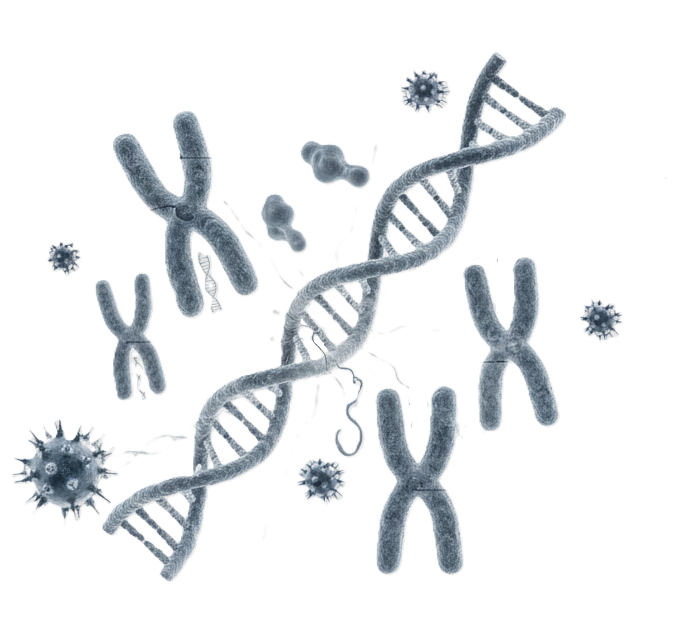
G6PD deficiency happens when your G6PD gene has a variant that keeps it from doing its job: Telling your body to make the G6PD enzyme. You inherit the variant on your X chromosome from a biological parent.
Having the variant means that your red blood cells are low on G6PD. G6PD is important because it prevents too many “free radicals” from building up in your red blood cells. Free radicals are usually harmless substances found in all kinds of places, like the environment, fava beans and medicines.
But if you don’t have enough G6PD, triggers (like eating fava beans) can cause too many free radicals to build up in your cells. This leads to oxidative stress that strains your red blood cells. Eventually, the cells break apart and die. If this leaves you with a low red blood cell count, you develop hemolytic anemia.
-
What factors trigger hemolytic
anemia related to this condition?
According to some researchers, eating fava beans is the most common trigger. When someone with a G6PD deficiency eats fava beans and experiences hemolytic anemia, it’s called favism. Other common triggers include:
- Infections, including hepatitis A and hepatitis B, typhoid fever and pneumonia
- Certain drugs that treat malaria, including primaquine
- Some antibiotics, including nitrofurantoin, dapsone and sulfa drugs
- NSAIDs, like aspirin and ibuprofen
- Smoking and drinking too much alcohol
- Emotional stress
- Strenuous exercise
Things that increase your chances of inheriting G6PD deficiency include your:
- Sex. Males are more likely to have G6PD deficiency. This is because they only have one X chromosome (where the variant is).
- Geographic location. It’s more common in people living in sub-Saharan Africa, the Mediterranean and Southeast Asia.
- Race. Researchers estimate that in the United States, G6PD deficiency affects more than 10% of Black males.
Healthcare providers usually start by taking a complete medical history and doing a physical exam. They might ask if you’ve recently changed medications or had an infection. They may also look for signs of a G6PD deficiency in your family history.
Tests to diagnose G6PD deficiency include:
- A complete blood count (CBC) to check your red blood cell levels
- A peripheral blood smear to check for signs of hemolytic anemia, like red blood cells that are abnormal shapes or sizes
- A bilirubin test to check your levels of bilirubin, a waste product of destroyed red blood cells
- A G6PD test to check your G6PD enzyme levels
Healthcare providers use different treatments based on the situation. For example, if you have mild jaundice and your provider knows you have G6PD deficiency, they’ll treat your jaundice symptoms first. Then, they’ll tell you what triggers you need to avoid going forward.
More severe symptoms require different treatments. If you have severe hemolytic anemia, you may need a blood transfusion. If your newborn has jaundice, their provider may treat it with phototherapy (a natural or artificial light treatment). In more serious cases, your baby may need an exchange transfusion. For this procedure, the provider removes your baby’s unhealthy blood and replaces it with healthy, donated blood.
There’s no cure for G6PD deficiency, but most people don’t experience issues if they avoid triggers. And it doesn’t impact life expectancy.
Still, not everyone with this condition experiences it the same way. Many people with G6PD deficiency likely never know because they don’t have symptoms. For most people, symptoms are mild. But others experience life-threatening events like a hemolytic crisis when they encounter a trigger.
Your healthcare provider can best explain what to expect based on your diagnosis.
- Type 1
- Type 2
- Type 3
- When to see a doctor
Symptoms vary in severity. In some cases, a healthcare professional may find signs of the disease before symptoms appear. Symptoms most often appear in childhood or teenage years, but they can begin at any age. Signs and symptoms of type 1 Gaucher disease include:
- Enlarged organs. The spleen becomes greatly enlarged. The liver also may become enlarged. The effects may include:
- Easy bruising or bleeding because of blood platelets trapped in the spleen.
- Tissue damage or scarring in the spleen or liver.
- Belly pain or discomfort.
- Bone conditions. Weakened and irregular bones may cause:
- Bone pain.
- Bone fractures, even with no apparent injury.
- Bone marrow disorders. Bone marrow may not produce enough healthy blood cells causing:
- Low blood platelet production that leads to easy bruising or bleeding.
- Low red blood cell production that causes fatigue.
- Lung disease. Less often, the disease may affect breathing because of:
- Damage to lung tissues.
- Restrictions on the lungs caused by an enlarged spleen or liver.
- High blood pressure in the lungs.
- Growth disorders. Some children with type 1 Gaucher disease experience:
- Delayed or limited growth.
- Delayed puberty.
Type 2 Gaucher disease is the least common. The disease causes the rapid loss of cells in the brain stem. This part of the brain controls breathing, muscle control and other important functions.
Symptoms appear within the first few months of life. Death usually occurs within two years.
Type 3 Gaucher disease causes symptoms of type 1. It also causes some nervous system disorders and the progressive loss of brain cells. Symptoms begin during childhood. They include:
- Eye movement disorders.
- Muscle spasms.
- Seizures.
- Loss of muscle control in adolescents or early adulthood.
- Dementia in adolescents or early adulthood.
If you or your child has symptoms associated with Gaucher disease, make an appointment with your healthcare professional.
This is a genetic disorder that you can’t prevent. But there are ways to get diagnosed before major health issues arise. This includes:
- Screening newborns. Many regions that are high risk for this condition have screening programs in place to detect G6PD deficiency in newborns.
- Genetic testing. Your healthcare provider may recommend you get a DNA test if there’s a chance that G6PD deficiency runs in your family.
- How do I take care of myself?
-
When should I see my
healthcare provider? -
What questions should
I ask my healthcare provider?
Ask your healthcare provider about the foods and medicines you should avoid. Here are some other suggestions:
- Limit how much alcohol you drink. Drinking too much alcohol can stress your red blood cells.
- Quit smoking. Smoking can cause free radicals to build up in your red blood cells.
- Exercise in moderation. Pushing yourself too hard during a workout may increase oxidative stress.
- Try to get enough rest. Sleep supports your immune system, which helps you fight off infections that can trigger hemolytic anemia.
- Manage stress. If you’re feeling overwhelmed, ask your healthcare provider for help managing stress.
You should also avoid eating fava beans while breastfeeding if your newborn has a G6PD deficiency. The compounds that can trigger hemolytic anemia can travel through breast milk.
See your healthcare provider any time you develop G6PD deficiency symptoms. Seek immediate medical help if your symptoms are severe and come on quickly (signs of a hemolytic crisis).
Questions to ask if you have G6PD deficiency include:
- How serious is my condition?
- What foods and medications should I avoid?
- Are there triggers in my environment I should avoid?
- What are the chances that I’ll pass G6PD deficiency on to a child?
References
- Al-Dubai H, Al-Mashdali A, Hailan Y. Acute hemolysis and methemoglobinemia secondary to fava beans ingestion in a patient with G6PD deficiency: A case report of a rare co-occurrence (https://pmc.ncbi.nlm.nih.gov/articles/PMC8615397/#:~:text=After%20ingestion%20of%20fava%20bean,hemolysis%20may%20occur%20in%20others.). Medicine (Baltimore). 2021;100(47):e27904. Accessed 4/18/2025.
- Drugs and Lactation Database (LactMed
®) [Internet]. Bethesda (MD): National Institute of Child Health and Human Development; 2006-. Fava Beans (https://www.ncbi.nlm.nih.gov/books/NBK532498/). [Updated 2024 Jun 15] Accessed 4/18/2025. - Lee HY, Ithnin A, Azma RZ, Othman A, Salvador A, Cheah FC. Glucose-6-Phosphate Dehydrogenase Deficiency and Neonatal Hyperbilirubinemia: Insights on Pathophysiology, Diagnosis, and Gene Variants in Disease Heterogeneity (https://pmc.ncbi.nlm.nih.gov/articles/PMC9170901/#:~:text=of%20gene%20chips.-,Fluorescent%20Spot%20Test,income%20countries%20with%20high%20prevalence.). Front Pediatr. 2022 May;10:875877. Accessed 4/18/2025.
- Leung-Pineda V, Weinzierl EP, Rogers BB. Preliminary Investigation into the Prevalence of G6PD Deficiency in a Pediatric African American Population Using a Near-Patient Diagnostic Platform (https://pmc.ncbi.nlm.nih.gov/articles/PMC10742488/). Diagnostics (Basel). 2023 Dec;13(24):3647. Accessed 4/18/2025.
- Merck Manual. Glucose-6-Phosphate Dehydrogenase (G6PD) Deficiency (https://www.merckmanuals.com/professional/hematology-and-oncology/anemias-caused-by-hemolysis/glucose-6-phosphate-dehydrogenase-g6pd-deficiency). Reviewed/revised April 2024. Accessed 4/18/2025.
- Richardson SR, O’Malley GF. Glucose-6-Phosphate Dehydrogenase Deficiency (https://www.ncbi.nlm.nih.gov/books/NBK470315/). In: StatPearls [Internet]. Treasure Island (FL): StatPearls Publishing; 2024 Jan-. Accessed 4/18/2025.

Ad
Women have unique health issues. And some of the health issues that affect both men and women can affect women differently.
Book your appointment TODAY!
Search on the closest Doctor to your location and book based on specialty. EARN 10 POINTS more with CuraPOINT.
BOOK-
Find a healthcare provider near you
-
Call for support
-
Feel free to message us!
About Us
Curafile is a Medical Cyclopedia, biggest Healthcare Curated Network Globally, serves citizens, service providers in one place.
- Estonia - Qatar
Jordan - Saudi Arabia
