

Addiction
- Home
- Addiction
Addiction
Addiction is a common problem, but help is available.
Addiction is defined as not having control over doing, taking or using something to the point where it could be harmful to you.
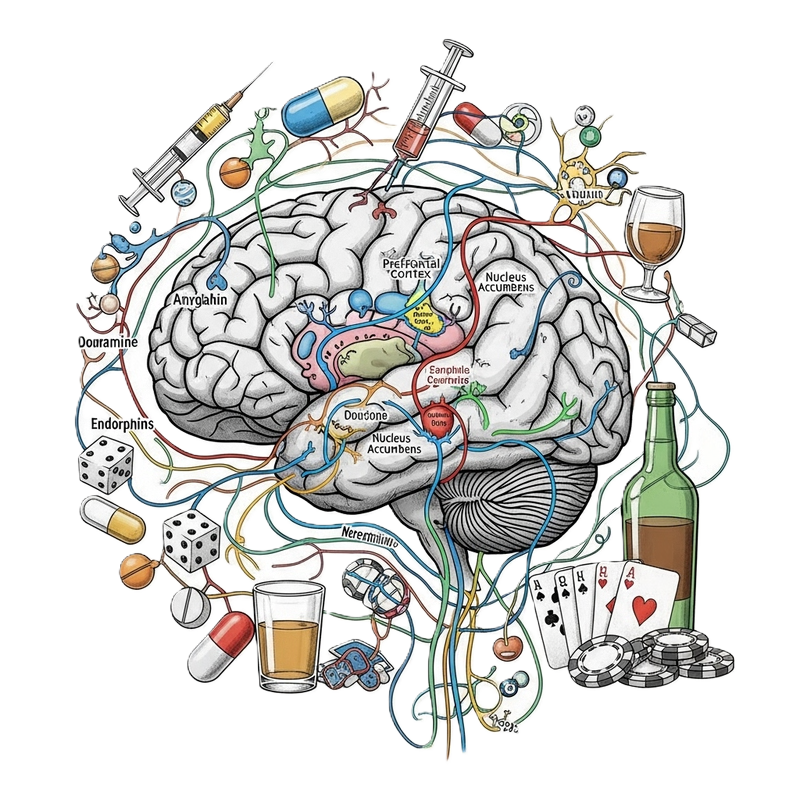
Addiction is most commonly associated with gambling, drugs, alcohol and smoking, but it’s possible to be addicted to just about anything, including:
- work – some people are obsessed with their work to the extent that they become physically exhausted; if your relationship, family and social life are affected and you never take holidays, you may be addicted to work
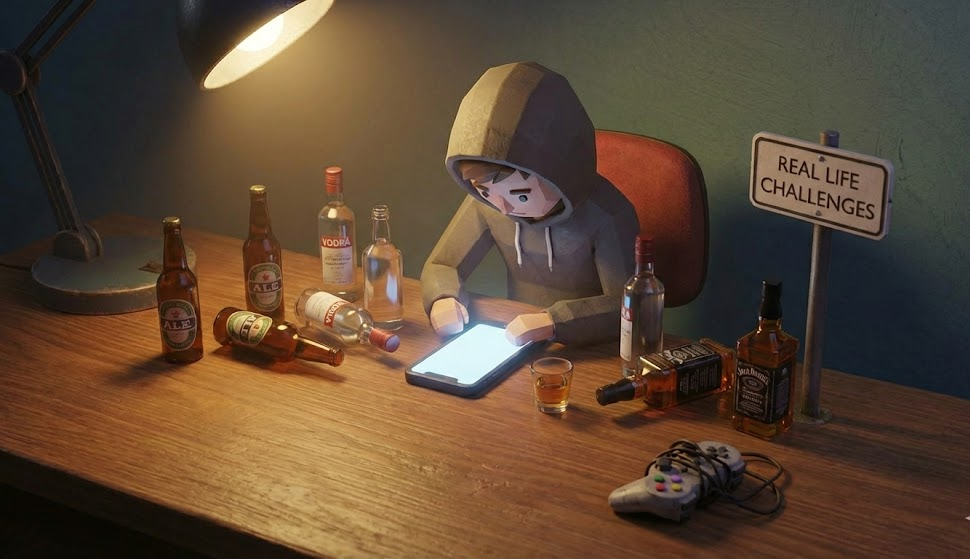
- internet – as computer and mobile phone use has increased, so too have computer and internet addictions; people may spend hours each day and night surfing the internet or gaming while neglecting other aspects of their lives
- solvents – volatile substance abuse is when you inhale substances such as glue, aerosols, petrol or lighter fuel to give you a feeling of intoxication
- shopping – shopping becomes an addiction when you buy things you don’t need or want to achieve a buzz; this is quickly followed by feelings of guilt, shame or despair
- sex – sex addiction is when your sexual behaviour feels out of control, is causing you or others distress, or is affecting your life and relationships
- Causes
- How addictions can affect you
There are lots of reasons why addictions begin. In the case of drugs, alcohol and nicotine, these substances affect the way you feel, both physically and mentally. These feelings can be enjoyable and create a powerful urge to use the substances again.
Gambling may result in a similar mental “high” after a win, followed by a strong urge to try again and recreate that feeling. This can develop into a habit that becomes very hard to stop.
Being addicted to something means that not having it causes withdrawal symptoms, or a “come down”. Because this can be unpleasant, it’s easier to carry on having or doing what you crave, and so the cycle continues.
Often, an addiction gets out of control because you need more and more to satisfy a craving and achieve the “high”.
The strain of managing an addiction can seriously damage your work life and relationships. In the case of substance misuse (for example, drugs and alcohol), an addiction can have serious psychological and physical effects.
Some studies suggest a person’s risk of becoming addicted is partly genetic, but environmental factors, such as being around other people with addictions, are also thought to increase the risk.
Behaviours such as substance misuse can be a way of blocking out difficult issues. Unemployment and poverty can trigger addiction, along with stress and emotional or professional pressure.
- Causes
- Symptoms
- Exams and Tests
- Treatment
- Outlook
- When to Contact a Medical Professional
- Alternative Names
There are lots of reasons why addictions begin. In the case of drugs, alcohol and nicotine, these substances affect the way you feel, both physically and mentally. These feelings can be enjoyable and create a powerful urge to use the substances again.
Gambling may result in a similar mental “high” after a win, followed by a strong urge to try again and recreate that feeling. This can develop into a habit that becomes very hard to stop.
Being addicted to something means that not having it causes withdrawal symptoms, or a “come down”. Because this can be unpleasant, it’s easier to carry on having or doing what you crave, and so the cycle continues.
Often, an addiction gets out of control because you need more and more to satisfy a craving and achieve the “high”.
Symptoms and behaviors of substance use may include:
- Confusion
- Continuing to use substances, even when health, work, or family are being harmed
- Episodes of violence
- Hostility when confronted about substance dependence
- Lack of control over substance misuse, being unable to stop or reduce alcohol intake
- Making excuses to use substances
- Missing work or school, or a decrease in performance
- Need for daily or regular substance use to function
- Neglecting to eat
- Not caring about physical appearance
- No longer taking part in activities because of substance misuse
- Secretive behavior to hide substance use
- Using substances even when alone
Drug tests (toxicology screens) on blood and urine samples can show many chemicals and substances in the body. How sensitive the test is depends on the substance itself, when the substance was used, and the testing laboratory. Blood tests are more likely to find a substance than urine tests, though urine substance screens are done more often.
Substance use disorder is a serious condition and not easy to treat. The best care and treatment involve trained professionals.
Treatment begins with recognizing the problem. Though denial is a common symptom of addiction, people who are addicted have far less denial if they are treated with empathy and respect, rather than told what to do or being confronted.
The substance may either be slowly withdrawn or stopped abruptly. Support for physical and emotional symptoms, as well as staying substance free (abstinence) are also key to treatment.
- People with substance overdose may need emergency treatment in the hospital. The exact treatment depends on the drug used.
- Detoxification (detox) is the withdrawal of the substance abruptly in an environment where there is good support. Detoxification can be done on an inpatient or outpatient basis.
- At times, another substance with a similar action or effect on the body is taken, as the dose is slowly decreased to reduce the side effects and risks of withdrawal. For example, for narcotic addiction, methadone or similar medicines may be used to prevent withdrawal and continued use.
Residential treatment programs and intensive outpatient programs monitor and address possible withdrawal symptoms and behaviors. These programs use techniques to get users to recognize their behaviors and learn how not to go back to using (relapse).
If the person also has depression or another mental health issues, it should be treated. In many cases, a person starts using substances to try to self-treat mental health illness.
Substance use may lead to a fatal overdose. Some people start taking the substances again (relapse) after they have stopped.
Complications of substance use include:
- Depression
- Cancer, for example, mouth and stomach cancer are linked to alcohol use and dependence
- Infection with HIV, or hepatitis B or C through shared needles
- Loss of job
- Problems with memory and concentration, for example, hallucinogen use, including marijuana (THC)
- Problems with the law
- Relationship breakup
- Unsafe sexual practices, which may result in unwanted pregnancies, sexually transmitted diseases, HIV, or viral hepatitis
Make an appointment with your provider if you or a family member is using a substance and wants to stop. Also contact your provider if you have been cut off from your drug supply and are at risk of withdrawal. Most employers offer referral services for their employees with substance use problems.
You can also call 911 or the local emergency number or go to the hospital emergency room. DO NOT delay.
If someone you know has attempted suicide, call 911 or the local emergency number right away. DO NOT leave the person alone, even after you have called for help.
Substance misuse; Chemical use; Chemical misuse; Drug addiction; Addiction – drug; Dependence on drugs; Illicit drug use; Narcotic use; Hallucinogen use
References
American Psychiatric Association website. Substance-related and additive disorders. Diagnostic and Statistical Manual of Mental Disorders. 5th ed. Text Revision (DSM-5-TR), Washington, DC: American Psychiatric Association Publishing; 2022.
Breuner CC. Substance use disorder. In: Kliegman RM, St. Geme JW, Blum NJ, et al, eds. Nelson Textbook of Pediatrics. 22nd ed. Philadelphia, PA: Elsevier; 2025:chap 157.
Kowalchuk A, Reed BC. Substance use disorders. In: Rakel RE, Rakel DP, eds. Textbook of Family Medicine. 9th ed. Philadelphia, PA: Elsevier Saunders; 2016:chap 50.
Weiss RD, Liebschutz JM. Drug use disorders. In: Goldman L, Cooney KA, eds. Goldman-Cecil Medicine. 27th ed. Philadelphia, PA: Elsevier; 2024:chap 365.
| Read More |
|---|

Ad
Women have unique health issues. And some of the health issues that affect both men and women can affect women differently.
Book your appointment TODAY!
Search on the closest Doctor to your location and book based on specialty. EARN 10 POINTS more with CuraPOINT.
BOOK