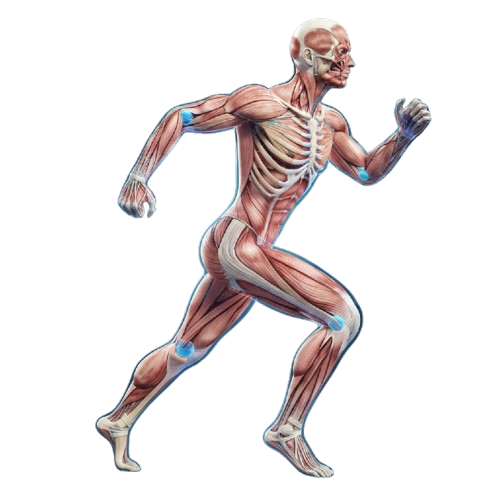
Brittle Bone Disease (Osteogenesis imperfecta) is a genetic disease that makes your bones thin and brittle. People with osteogenesis imperfecta break bones easily, with little or no force causing the break. It can also cause a curved spine, muscle weakness, difficulty breathing and other issues. The most common type causes mild symptoms.

What Is Brittle Bone Disease?

Brittle Bone Disease (Osteogenesis imperfecta) is a connective tissue disease. It makes your bones fragile. You might break a bone with little or no force. That’s why OI is also known as brittle bone disease. It makes your bones weaker and thinner than they should be.

Osteogenesis imperfecta also affects your body’s ability to make collagen properly. Collagen is a protein. It helps develop your:

  • Bones
  • Skin
  • Muscles
  • Tendons

Osteogenesis imperfecta can cause many broken bones throughout your life. It can also affect your:

  • Teeth
  • Skin
  • Spine
  • Lungs
  • Other internal organs

The most common form of osteogenesis imperfecta usually causes mild symptoms. But OI can also cause severe disabilities and be fatal.

Types of osteogenesis imperfecta

Healthcare providers classify osteogenesis imperfecta into 19 types. Types I through IV are the most common.

People with type I have lower amounts of normal collagen than they should. People with types II, III and IV have improperly formed collagen. These types cause more severe symptoms.

Type 1

This is the most common form of OI. It causes milder symptoms than other types. You’ll break bones more easily than usual. But most broken bones happen before puberty. It doesn’t cause bone deformity.

Type II

Type II is the most serious form. Babies with type II die at or shortly after birth. It causes fatal complications like:

  • Underdeveloped lungs
  • Serious bone deformities
  • Multiple broken bones before birth

Type III

Type III is the second most severe form. It causes dangerous bone deformities. This makes your bones very fragile. You’ll live with physical disabilities. Babies with type III are often born with broken bones.

Type IV

Type IV is more severe than type I. But it’s less severe than type III. Your bones will be more fragile than usual. But they won’t break as often as with type III.

The causes of anxiety disorders aren’t fully understood. Life experiences such as traumatic events appear to trigger anxiety disorders in people who are already prone to anxiety. Inherited traits also can be a factor.

Medical causes

For some people, anxiety may be linked to an underlying health issue. In some cases, anxiety signs and symptoms are the first indicators of a medical illness. If your doctor suspects your anxiety may have a medical cause, he or she may order tests to look for signs of a problem.

Examples of medical problems that can be linked to anxiety include:

  • Heart disease.
  • Diabetes.
  • Thyroid problems, such as hyperthyroidism.
  • Respiratory disorders, such as chronic obstructive pulmonary disease (COPD) and asthma.
  • Drug misuse or withdrawal.
  • Withdrawal from alcohol, anti-anxiety medications (benzodiazepines) or other medications.
  • Chronic pain or irritable bowel syndrome.
  • Rare tumors that produce certain fight-or-flight hormones.

Sometimes anxiety can be a side effect of certain medications.

It’s possible that your anxiety may be due to an underlying medical condition if:

  • You don’t have any blood relatives (such as a parent or sibling) with an anxiety disorder.
  • You didn’t have an anxiety disorder as a child.
  • You don’t avoid certain things or situations because of anxiety.
  • You have a sudden occurrence of anxiety that seems unrelated to life events and you didn’t have a previous history of anxiety.

Common anxiety signs and symptoms include:

  • Feeling nervous, restless or tense.
  • Having a sense of impending danger, panic or doom.
  • Having an increased heart rate.
  • Breathing rapidly (hyperventilation).
  • Sweating.
  • Trembling.
  • Feeling weak or tired.
  • Trouble concentrating or thinking about anything other than the present worry.
  • Having trouble sleeping.
  • Having an upset stomach or other problems with digestion.
  • Having difficulty controlling worry.
  • Having the urge to avoid things that trigger anxiety.

Several types of anxiety disorders exist:

  • Agoraphobia (ag-uh-ruh-FOE-be-uh) is a type of anxiety disorder in which you fear and often avoid places or situations that might cause you to panic and make you feel trapped, helpless or embarrassed.
  • Anxiety disorder due to a medical condition includes symptoms of intense anxiety or panic that are directly caused by a physical health problem.
  • Generalized anxiety disorder includes persistent and excessive anxiety and worry about activities or events — even ordinary, routine issues. The worry is out of proportion to the actual circumstance, is difficult to control and affects how you feel physically. It often occurs along with other anxiety disorders or depression.
  • Panic disorder involves repeated episodes of sudden feelings of intense anxiety and fear or terror that reach a peak within minutes (panic attacks). You may have feelings of impending doom, shortness of breath, chest pain, or a rapid, fluttering or pounding heart (heart palpitations). These panic attacks may lead to worrying about them happening again or avoiding situations in which they’ve occurred.
  • Selective mutism is a consistent failure of children to speak in certain situations, such as school, even when they can speak in other situations, such as at home with close family members. This can interfere with school, work and social functioning.
  • Separation anxiety disorder is a childhood disorder characterized by anxiety that’s excessive for the child’s developmental level and related to separation from parents or others who have parental roles.
  • Social anxiety disorder (social phobia) involves high levels of anxiety, fear and avoidance of social situations due to feelings of embarrassment, self-consciousness and concern about being judged or viewed negatively by others.
  • Specific phobias are characterized by major anxiety when you’re exposed to a specific object or situation and a desire to avoid it. Phobias provoke panic attacks in some people.
  • Substance-induced anxiety disorder is characterized by symptoms of intense anxiety or panic that are a direct result of misusing drugs, taking medications, being exposed to a toxic substance or withdrawal from drugs.
  • Other types of anxiety disorders. Certain types of anxiety disorders or phobias don’t fit neatly into a category. But they cause major distress and disrupt daily life.

See your doctor if:

  • You feel like you’re worrying too much and it’s interfering with your work, relationships or other parts of your life.
  • Your fear, worry or anxiety is upsetting to you and difficult to control.
  • You feel depressed, have trouble with alcohol or drug use, or have other mental health concerns along with anxiety.
  • You think your anxiety could be linked to a physical health problem.
  • You have suicidal thoughts or behaviors. If this is the case, contact your provider right away. Or contact a suicide hotline. In the U.S., call or text 988 to reach the 988 Suicide & Crisis Lifeline, which is available 24 hours a day, every day. Or use the Lifeline Chat. Services are free and private.

Your worries may not go away on their own, and they may get worse over time if you don’t seek help. See your doctor or a mental health provider before your anxiety gets worse. It’s easier to treat if you get help early.

The U.S. Preventive Services Task Force recommends screening children and teens ages 8 to 18 for anxiety. This screening is for those who don’t have a diagnosis of anxiety disorder. It’s important because many children and teens have high levels of anxiety but they may not show it. The task force has not yet suggested how often this screening should happen.

These factors may increase your risk of developing an anxiety disorder:

  • Trauma. Children who endured abuse or trauma or witnessed traumatic events are at higher risk of developing an anxiety disorder at some point in life. Adults who experience a traumatic event also can develop anxiety disorders.
  • Stress due to an illness. Having a health condition or serious illness can cause significant worry about issues such as your treatment and your future.
  • Stress buildup. A big event or a buildup of smaller stressful life situations may trigger excessive anxiety — for example, a death in the family, work stress or ongoing worry about finances.
  • Personality. People with certain personality types are more prone to anxiety disorders than others are.
  • Other mental health disorders. People with other mental health disorders, such as depression, often also have an anxiety disorder.
  • Having blood relatives with an anxiety disorder. Anxiety disorders can run in families.
  • Drugs or alcohol. Drug or alcohol use or misuse or withdrawal can cause or worsen anxiety.

Having an anxiety disorder does more than make you worry. It can also lead to, or worsen, other mental and physical conditions, such as:

  • Depression (which often occurs with an anxiety disorder) or other mental health disorders.
  • Substance misuse.
  • Trouble sleeping (insomnia).
  • Digestive or bowel problems.
  • Headaches and chronic pain.
  • Social isolation.
  • Problems functioning at school or work.
  • Poor quality of life.
  • Suicide.

There’s no way to predict for certain what will cause someone to develop an anxiety disorder, but you can take steps to reduce the impact of symptoms if you’re anxious:

  • Get help early. Anxiety, like many other mental health conditions, can be harder to treat if you wait.
  • Stay active. Participate in activities that you enjoy and that make you feel good about yourself. Enjoy social interaction and caring relationships, which can lessen your worries.
  • Avoid alcohol or drug use. Alcohol and drug use can cause or worsen anxiety. If you’re addicted to any of these substances, quitting can make you anxious. If you can’t quit on your own, see your doctor or find a support group to help you.

You may start by seeing your primary care provider to find out if your anxiety could be related to your physical health. He or she can check for signs of an underlying medical condition that may need treatment.

However, you may need to see a mental health specialist if you have severe anxiety. A psychiatrist is a medical doctor who specializes in diagnosing and treating mental health conditions. A psychologist and certain other mental health professionals can diagnose anxiety and provide counseling (psychotherapy).


To help diagnose an anxiety disorder, your mental health provider may:

  • Discuss your thoughts, feelings and behaviors when you feel anxious.
  • Ask about other mental health problems, such as depression or alcohol or drug misuse, which can happen along with anxiety. This can make a diagnosis more challenging.

The two main treatments for anxiety disorders are psychotherapy and medications. You may benefit most from a combination of the two. It may take some trial and error to discover which treatments work best for you.

Psychotherapy

Also known as talk therapy or psychological counseling, psychotherapy involves working with a therapist to reduce your anxiety symptoms. It can be an effective treatment for anxiety.

Cognitive behavioral therapy (CBT) is the most effective form of psychotherapy for anxiety disorders. Generally a short-term treatment, CBT focuses on teaching you specific skills to improve your symptoms and gradually return to the activities you’ve avoided because of anxiety.

CBT includes exposure therapy, in which you gradually encounter the object or situation that triggers your anxiety so you build confidence that you can manage the situation and anxiety symptoms.

Medications

Several types of medications are used to help relieve symptoms, depending on the type of anxiety disorder you have and whether you also have other mental or physical health issues. For example:

  • Certain antidepressants are also used to treat anxiety disorders.
  • An anti-anxiety medication called buspirone may be prescribed.
  • In limited circumstances, your doctor may prescribe other types of medications, such as sedatives, also called benzodiazepines, or beta blockers. These medications are for short-term relief of anxiety symptoms and are not intended to be used long term.

Talk with your doctor about benefits, risks and possible side effects of medications.

  1. Anxiety disorders. In: Diagnostic and Statistical Manual of Mental Disorders DSM-5-TR. 5th ed. American Psychiatric Association; 2022. https://dsm.psychiatryonline.org. Accessed Jan. 27, 2023.
  2. Anxiety disorders. National Institute of Mental Health. https://www.nimh.nih.gov/health/topics/anxiety-disorders/index.shtml. Accessed Jan. 27, 2023.
  3. Brown A. Allscripts EPSi. Mayo Clinic, Rochester, Minn. March 5, 2018.
  4. Anxiety disorders. National Alliance on Mental Illness. https://www.nami.org/Learn-More/Mental-Health-Conditions/Anxiety-Disorders/Overview. Accessed Jan. 27, 2023.
  5. What are anxiety disorders? American Psychiatric Association. https://www.psychiatry.org/patients-families/anxiety-disorders/what-are-anxiety-disorders. Accessed Jan. 27, 2023.
  6. Reinhold JA, et al. Pharmacological treatment for generalized anxiety disorder in adults: An update. Expert Opinion in Pharmacotherapy. 2015;16:1669.
  7. Bandelow B, et al. Efficacy of treatments for anxiety disorders: A meta-analysis. International Clinical Psychopharmacology. 2015;30:183.
  8. Find support. National Alliance on Mental Illness. https://www.nami.org/Find-Support. Accessed Jan. 27, 2023.
  9. Bazzan AJ, et al. Current evidence regarding the management of mood and anxiety disorders using complementary and alternative medicine. Expert Review of Neurotherapeutics. 2014;14:411.
  10. Natural medicines in the clinical management of anxiety. Natural Medicines. https://naturalmedicines.therapeuticresearch.com. Accessed Feb. 26, 2018.
  11. Sarris J, et al. Plant-based medicines for anxiety disorders, Part 2: A review of clinical studies with supporting preclinical evidence. CNS Drugs. 2013;27:301.
  12. Bystritsky A. Complementary and alternative treatments for anxiety symptoms and disorders: Herbs and medications. https://www.uptodate.com/contents/search. Accessed Jan. 27, 2023.
  13. Bystritsky A. Pharmacotherapy for generalized anxiety disorder in adults. https://www.uptodate.com/contents/search. Accessed Feb. 26, 2018.
  14. Medical reviewer (expert opinion). Mayo Clinic. Feb. 27, 2023.

Related Topics

Other Specialities

Stay away from bad habbits

Mental Health

Mental health includes our emotional, psychological, and social well-being. It affects how we think, feel, and act as we cope with life.

Book your appointment TODAY!

Search on the closest Doctor to your location and book based on specialty. EARN 10 POINTS more with CuraPOINT.

BOOK
Edit Template

Osteogenesis imperfecta is a condition causing extremely fragile bones.

Causes

Osteogenesis imperfecta (OI) is present at birth. It is often caused by a defect in the gene that produces type I collagen, an important building block of bone. There are many defects that can affect this gene. The severity of OI depends on the specific gene defect.

If you have one copy of the gene, you will have the disease. Most cases of OI are inherited from a parent. However, some cases are the result of new genetic mutations.

A person with OI has a 50% chance of passing on the gene and the disease to their children.

Symptoms

All people with OI have weak bones, and fractures are more likely. People with OI are most often below average height (short stature). However, the severity of the disease varies greatly.

The classic symptoms include:

  • Blue tint to the whites of their eyes (blue sclera)
  • Multiple bone fractures
  • Early hearing loss (deafness)

Because type I collagen is also found in ligaments, people with OI often have loose joints (hypermobility) and flat feet. Some types of OI also lead to the development of poor teeth.

Symptoms of more severe forms of OI may include:

  • Bowed legs and arms
  • Kyphosis
  • Scoliosis (S-curve spine)

Exams and Tests

OI is most often suspected in children whose bones break with very little force. A physical exam may show that the whites of their eyes have a blue tint.

A definitive diagnosis may be made using a skin punch biopsy. Family members may be given a DNA blood test.

If there is a family history of OI, chorionic villus sampling may be done during pregnancy to determine if the baby has the condition. However, because so many different mutations can cause OI, some forms cannot be diagnosed with a genetic test.

The severe form of type II OI can be seen on ultrasound when the fetus is as young as 16 weeks.

Treatment

There is not yet a cure for this disease. However, specific therapies can reduce the pain and complications from OI.

Medicines that can increase the strength and density of bone are used in people with OI. They have been shown to reduce bone pain and fracture rate (especially in the bones of the spine). They are called bisphosphonates.

Low impact exercises, such as swimming, keep muscles strong and help maintain strong bones. People with OI can benefit from these exercises and should be encouraged to do them.

In severe cases, surgery to place metal rods into the long bones of the legs may be considered. This procedure can strengthen the bone and reduce the risk for fracture. Bracing can also be helpful for some people.

Surgery may be needed to correct any deformities. This treatment is important because deformities (such as bowed legs or a spinal problem) can interfere with a person’s ability to move or walk.

Even with treatment, fractures will occur. Most fractures heal quickly. Time in a cast should be limited, because bone loss may occur when you do not use a part of your body for a period of time.

Many children with OI develop body image problems as they enter their teenage years. A social worker or psychologist can help them adapt to life with OI.

Outlook (Prognosis)

How well a person does depends on the type of OI they have.

  • Type I, or mild OI, is the most common form. People with this type can live a normal lifespan.
  • Type II is a severe form that often leads to death in the first year of life.
  • Type III is also called severe OI. People with this type have many fractures starting very early in life and can have severe bone deformities. Many people need to use a wheelchair and often have a somewhat shortened life expectancy.
  • Type IV, or moderately severe OI, is similar to type I, although people with type IV often need braces or crutches to walk. Life expectancy is normal or near normal.

There are other types of OI, but they occur very rarely and most are considered subtypes of the moderately severe form (type IV).

Possible Complications

Complications are largely based on the type of OI present. They are often directly related to the problems with weak bones and multiple fractures.

Complications may include:

  • Hearing loss (common in type I and type III)
  • Heart failure (type II)
  • Respiratory problems and pneumonias due to chest wall deformities
  • Spinal cord or brain stem problems
  • Permanent deformity

When to Contact a Medical Professional

Severe forms are most often diagnosed early in life, but mild cases may not be noted until later in life. See your health care provider if you or your child have symptoms of this condition.

Prevention

Genetic counseling is recommended for couples considering pregnancy if there is a personal or family history of this condition.

Alternative Names

Brittle bone disease; Congenital disease; OI

Marini JC. Osteogenesis imperfecta. In: Kliegman RM, St. Geme JW, Blum NJ, Shah SS, Tasker RC, Wilson KM, eds. Nelson Textbook of Pediatrics. 21st ed. Philadelphia, PA: Elsevier; 2020:chap 721.

McClincy MP, Olgun ZD, Dede O. Orthopedics. In: Zitelli BJ, McIntire SC, Nowalk AJ, Garrison J, eds. Zitelli and Davis’ Atlas of Pediatric Physical Diagnosis. 8th ed. Philadelphia, PA: Elsevier; 2023:chap 22.

Son-Hing JP, Thompson GH. Congenital abnormalities of the upper and lower extremities and spine. In: Martin RJ, Fanaroff AA, Walsh MC, eds. Fanaroff and Martin’s Neonatal-Perinatal Medicine. 11th ed. Philadelphia, PA: Elsevier; 2020:chap 99.