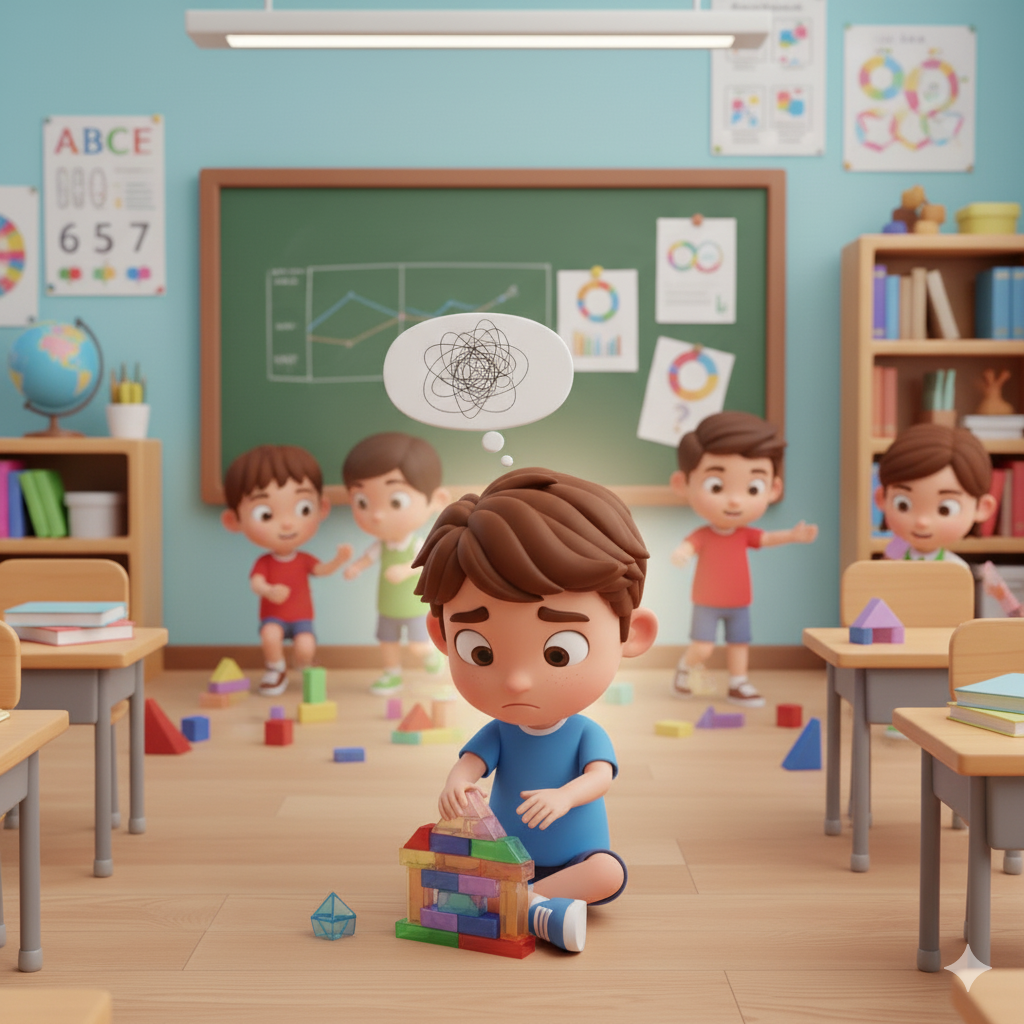
Typical 4-month-old infants are expected to develop certain physical and mental skills. These skills are called developmental milestones.
Around 140 million babies are born every year in the world. That’s more than four births every second of every day.

Infants have a cry reflex that is a normal response to stimuli, such as pain or hunger. Premature infants may not have a cry reflex.

Crying is an important way for infants to communicate. But, when a baby cries a lot, it may be a sign of something that needs treatment.
Newborn head molding is an abnormal head shape that results from pressure on the baby’s head during childbirth.

The esophagus is the tube that carries food from your mouth to your stomach.

Bath time can be fun, but you need to be very careful with your child around water.
Newborn fingernails and toenails are most often soft and flexible. However, if they are ragged or too long, they can hurt the baby or others.

Birth weight is the first weight of your baby, taken just after being born.

During the first 6 months of life, your baby needs only breast milk or formula for proper nutrition.

Newborn head molding is an abnormal head shape that results from pressure on the baby’s head.
A reflex is a muscle reaction that happens automatically in response to stimulation.

Sudden infant death syndrome (SIDS) is the unexpected, sudden death of a child under age 1.

Some physical conditions are common during the first couple of weeks after birth.

Infant botulism is a potentially life-threatening disease caused by a bacterium called Clostridium botulinum.
A fetus (baby) of a mother with diabetes may be exposed to high blood sugar levels throughout the pregnancy.

Failure to thrive refers to children whose current weight or rate of weight gain is much lower than that of other children of similar age and sex.
Bedwetting or nocturnal enuresis is when a child wets the bed at night more than twice a month after age 5 or 6.
Many infants and children suck their thumbs. Some even start sucking their thumbs when they are still in the womb.
Good oral health starts at a very young age. Taking care of your child’s gums and teeth every day helps prevent tooth decay and gum disease. It also helps make it a regular habit for your child.
Separation anxiety in children is a developmental stage in which the child is anxious when separated from their primary caregiver (usually the mother).
depression in teens s a serious medical illness. It’s more than just a feeling of being sad or “blue” for a few days.
Stress is a normal response to life’s changes, pressures, and challenges. It’s a mind-and-body signal that helps you get ready for what’s ahead.
As you get older, you make more choices that affect your body and your health.


Did you know that big and important changes happen in the brain during adolescence? Here are seven things to know about the teen brain.
As you get older, you make more choices that affect your body and your health.
Developmental milestones are behaviors or physical skills seen in infants and children as they grow and develop.
Rolling over, crawling, walking, and talking are all considered milestones.
The milestones are different for each age range.
Infant development is most often divided into the following areas: Cognitive – Language – Physical – Social
Toddlers are children ages 1 to 3 years old should include expected physical and mental milestones.
The normal social and physical development of children ages 3 to 6 years old.
The development of children ages 12 through 18 years old should include expected physical and mental milestones.
School-age development describes the expected physical, emotional, and mental abilities of children ages 6 to 12 years.

Typical 4-month-old infants are expected to develop certain physical and mental skills. These skills are called developmental milestones.
Typical 9-month-old infants are expected to develop certain physical and mental skills. These skills are called developmental milestones.
The typical 12-month-old child will demonstrate certain physical and mental skills. These skills are called developmental milestones.
The typical 18-month-old child will demonstrate certain physical and mental skills. These skills are called developmental milestones.
This article describes the skills and growth markers that are relevant to 2-year-olds.
This article describes the skills and growth markers that are relevant to 3-year-olds.
The typical 4-year-old child will demonstrate certain physical and mental skills. These skills are called developmental milestones.
This article describes the expected skills and growth markers of most 5-year-old children.
Breastfeeding has many benefits for you and your baby.
Breast milk is the best nutrition for your baby. Learn to pump, collect, and store breast milk.
Health experts agree that breastfeeding is the healthiest option for both mom and baby.
As a breastfeeding mother, know how to take care of yourself.
Breastfeeding nutrition can be confusing. Follow these important nutrition tips.


Formula milk, also known as baby formula or infant formula, is usually made from cows’ milk that has been treated to make it more suitable for babies.
If your child is under 1 year old, you should not feed your baby cow’s milk.
Are you measuring your baby’s infant formula correctly? To make sure, follow these seven steps.
As a new parent, you have many important decisions to make. One is to choose whether to breastfeed your baby or bottle feed using infant formula.
Delayed growth is poor or abnormally slow height or weight gains in a child younger than age 5. This may just be normal, and the child may outgrow it.
Growth hormone deficiency means the pituitary gland does not make enough growth hormone.
Failure to thrive refers to children whose current weight or rate of weight gain is much lower than that of other children of similar age and sex.
Gigantism is abnormal growth due to an excess of growth hormone (GH) during childhood.
Developmental disabilities are conditions that are usually present at birth. They can affect a child’s growth and development.
Developmental reading disorder (DRD) is a reading disability that occurs when the brain does not properly recognize and process certain symbols.
Developmental coordination disorder is a childhood disorder. It leads to poor coordination and clumsiness.
Language disorders in children are problems with the development of language skills.
Attention-deficit/hyperactivity disorder, also called ADHD, is a long-term condition that affects millions of children.
In general, a diagnosis of attention-deficit/hyperactivity disorder is made if the core symptoms of ADHD start early in life — before age 12 — and create major problems at home and at school on an ongoing basis.
Autism spectrum disorder (ASD) is a neurological and developmental disorder that begins early in childhood and lasts throughout a person’s life.
Autism spectrum disorder (ASD) is a developmental disability caused by differences in a person’s brain.
Curafile is the biggest Healthcare Curated Network Globally that serves citizens, service providers in one place.