

Metabolic syndrome is a group of conditions that increase the risk of heart disease, stroke and type 2 diabetes. These conditions include high blood pressure, high blood sugar, too much fat around the waist, and high cholesterol or triglyceride levels.
Metabolic syndrome means having three or more of these conditions. But having even one of the conditions increases the risk of serious disease.

Metabolic syndrome is closely linked to overweight or obesity and inactivity.
It’s also linked to a condition called insulin resistance. Usually, the digestive system breaks down foods into sugar. The pancreas makes the hormone insulin. And insulin helps sugar enter cells to be used as fuel.
In people with insulin resistance, cells don’t respond as expected to insulin. So sugar, known as glucose, can’t get into the cells as easily. As a result, blood sugar levels rise even though the body is making more insulin to try to lower the blood sugar.
- A large waist size can point to metabolic syndrome.
- People with high blood sugar might notice symptoms of diabetes.
- Being thirstier than usual.
- urinating more than usual.
- being tired.
- having blurred vision.
Diagnosis of metabolic syndrome is based on medical history, family medical history, a physical exam, and blood pressure and blood tests.
The National Institutes of Health defines metabolic syndrome as having three or more of the following conditions or being on medicine to manage these conditions:
- Large waist. This means a waistline that measures at least 35 inches (89 centimeters) for women and 40 inches (102 centimeters) for men.
- High triglyceride level. For this type of fat found in blood, this means 150 milligrams per deciliter (mg/dL), or 1.7 millimoles per liter (mmol/L), or higher.
- Low “good” or HDL cholesterol. This means levels of less than 40 mg/dL (1.0 mmol/L) in men or less than 50 mg/dL (1.3 mmol/L) in women of high-density lipoprotein cholesterol, also called HDL cholesterol.
- High blood pressure. This means 130/80 millimeters of mercury (mm Hg) or higher.
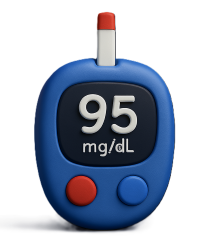
- High fasting blood sugar. This means100 mg/dL (5.6 mmol/L) or higher.
- Lifestyle changes that involve diet and exercise often are the first treatment for metabolic syndrome.
- If lifestyle changes aren’t enough, medicines may help you manage blood pressure, cholesterol and blood sugar levels.
For people with metabolic syndrome or any of the conditions that are part of metabolic syndrome, making healthy lifestyle changes can help prevent or delay serious health conditions. Learn what steps you can take.
Regular physical activity
Health experts recommend getting at least 30 minutes of exercise, such as brisk walking, daily. But you don’t have to do that activity all at once. Look for ways to increase activity any chance you get, such as walking instead of driving and using the stairs instead of an elevator.
Weight loss
Losing 3% to 5% of body weight can reduce insulin resistance and lower the risk of diabetes. It also can reduce blood pressure. It’s important to keep the weight off. A healthcare professional might be able to help with ways to lose weight and keep it off, including medicines or weight-loss surgery.
Healthy diet
Healthy-eating plans, such as the Dietary Approaches to Stop Hypertension diet, also called the DASH diet, and the Mediterranean diet, mean eating more:
- Vegetables.
- Fruits.
- High-fiber whole grains.
- Lean protein.
Healthy-eating plans typically limit:
- Sugary beverages.
- Alcohol.
- Salt.
- Sugar.
- Fats, especially saturated fats and trans fats.
- Processed foods, such as frozen dinners and chips.
Stopping smoking
Giving up cigarettes and other tobacco products greatly improves overall health. Ask your healthcare team for help with quitting.
Reducing or managing stress
Physical activity, meditation, yoga and other programs can ease stress and improve emotional and physical health.
Getting enough good sleep
Over time, lack of good sleep can lead to health problems. For adults, 7 to 9 hours of sleep a night is the target.
Living a healthy lifestyle might prevent the conditions that cause metabolic syndrome. A healthy lifestyle includes:
- Getting at least 30 minutes of physical activity most days.
- Eating plenty of vegetables, fruits, lean protein and whole grains.
- Limiting saturated fat, sugar and salt in the diet.
- Being at a healthy weight.
- Not smoking.
Having metabolic syndrome can increase the risk of:
- Type 2 diabetes. Not staying at a healthy weight can lead to insulin resistance. Insulin resistance can cause blood sugar to rise. Over time, insulin resistance can lead to type 2 diabetes.
- Heart and blood vessel disease. High cholesterol and high blood pressure can lead to the buildup of plaque in the arteries. Plaque can narrow and harden the arteries. Narrowed arteries can cause a heart attack or stroke.
If signs of low blood sugar do not improve after you have eaten a snack that has sugar:
- Get a ride to the emergency room. Do not drive yourself.
- Call 911 or the local emergency number.
Get medical help right away for a person with diabetes or low blood sugar who:
- Becomes less alert.
- Cannot be woken up.
If you have at least one metabolic syndrome condition, such as high blood pressure, ask your healthcare professional about testing for other conditions that are part of the syndrome.
Hypoglycemia; Insulin shock; Insulin reaction; Diabetes – hypoglycemia.
The following can increase the chances of having metabolic syndrome:
- Age. Risk of metabolic syndrome goes up with age.
- Ethnicity. In the United States, people who are Hispanic appear to be at the greatest risk of developing metabolic syndrome.
- Obesity. Carrying too much weight, especially around the stomach, increases the risk of metabolic syndrome.
- Diabetes. People who had diabetes during pregnancy, also known as gestational diabetes, are at greater risk of metabolic syndrome. That’s also true of people who have a family history of type 2 diabetes.
- Other diseases. Other conditions linked to metabolic syndrome include steatotic liver disease, polycystic ovary syndrome and sleep apnea.
- Diet and exercise. People who eat an unhealthy diet and don’t get enough physical activity are at higher risk of metabolic syndrome.
References
- Ferri FF. Metabolic syndrome. In: Ferri’s Clinical Advisor 2025. Elsevier; 2025. https://www.clinicalkey.com. Accessed March 4, 2025.
- Metabolic syndrome. National Heart, Lung, and Blood Institute. https://www.nhlbi.nih.gov/health/metabolic-syndrome. Accessed March 4, 2025.
- Meigs JB. Metabolic syndrome (insulin resistance syndrome or syndrome X). https://www.uptodate.com/contents/search. Accessed March 4, 2025.
- What is metabolic syndrome? American Heart Association. https://www.heart.org/en/health-topics/metabolic-syndrome/about-metabolic-syndrome. Accessed March 4, 2025.
- Metabolic syndrome. Merck Manual Professional Version. https://www.merckmanuals.com/professional/nutritional-disorders/obesity-and-the-metabolic-syndrome/metabolic-syndrome. Accesses March 4, 2025.
- Bergamot. NatMed. https://naturalmedicines.therapeuticresearch.com. Accessed March 4, 2025.
- Fish oil. NatMed. https://naturalmedicines.therapeuticresearch.com. Accessed March 4, 2025.
- Garlic. NatMed. https://naturalmedicines.therapeuticresearch.com. Accessed March 4, 2025.
- Red yeast rice. NatMed. https://naturalmedicines.therapeuticresearch.com. Accessed March 4, 2025.
- Turmeric. NatMed. https://naturalmedicines.therapeuticresearch.com. Accessed March 4, 2025.

Ad
Women have unique health issues. And some of the health issues that affect both men and women can affect women differently.
Book your appointment TODAY!
Search on the closest Doctor to your location and book based on specialty. EARN 10 POINTS more with CuraPOINT.
BOOK-
Find a healthcare provider near you
-
Call for support
-
Feel free to message us!
About Us
Curafile is a Medical Cyclopedia, biggest Healthcare Curated Network Globally, serves citizens, service providers in one place.
- Estonia - Qatar
Jordan - Saudi Arabia