

Excessive Screen Time
- Home
- Excessive Screen Time
Excessive Screen Time
-
Too much screen time
can be linked to - Reduce Children’s Screen Time
-
How Much Screen Time is
Too Much for Adults? -
What’s a healthy amount of
Screen time for adults? - Tips for Reducing Screen Time
Too much screen time can be linked to:
- Obesity
The more TV and video your child watches, the greater his or her risk is of becoming overweight. Having a TV or other electronics in a child’s bedroom increases this risk as well. Children can also develop an appetite for junk food promoted in ads, as well as overeat while watching on electronics. - Irregular sleep
The more time spent watching on a screen, the more likely children are to have trouble falling asleep or have an irregular sleep schedule. Sleep loss can lead to fatigue and increased snacking. - Behavioral problems
Elementary students who spend more than two hours a day watching TV, playing video games or using a computer or smartphone are more likely to have emotional, social and attention problems. Also, exposure to video games is linked with an increased possibility of attention problems in children. - Impaired academic performance
Elementary students who have TVs or other screens in their bedrooms tend to perform worse on tests than do those who don’t have these in their bedrooms. - Violence
Too much exposure to violence through media can desensitize children to violence. As a result, children might learn to accept violent behavior as a normal way to solve problems. - Less time for play
Excessive screen time leaves less time for active, creative play.
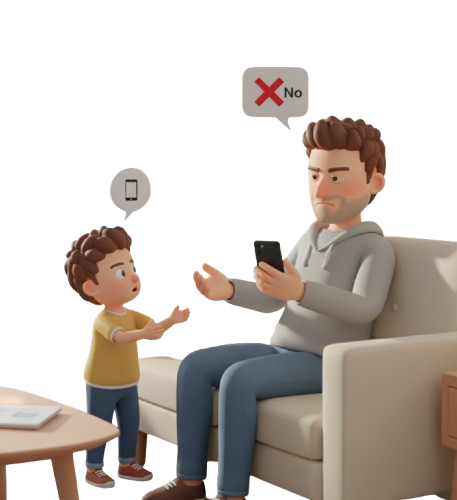
Your child’s total screen time might be greater than you realized. Start monitoring it, and talk to your child about the importance of sitting less and moving more. Also, explain screen time rules — and the consequences of breaking them.
In the meantime, here are simple steps to reduce screen time:
- Eliminate background TV.
If the TV is turned on — even if it’s just in the background — it’s likely to draw your child’s attention. If you’re not actively watching a show, turn it off. - Keep TVs, smartphones and computers out of the bedroom.
Children who have electronics in their bedrooms watch more than children who don’t have these in their bedrooms. Monitor your child’s screen time and the websites he or she is visiting by keeping TVs and computers in a common area in your house. - Don’t eat in front of a screen.
Allowing your child to eat or snack in front of electronic devices increases his or her screen time. The habit also encourages mindless munching, which can lead to weight gain.
When your child has screen time, make it as engaging as possible:
- Plan what your child views.
Instead of flipping through channels, seek quality videos or programming. Consider using parental control settings on your TV and computers. Preview video games and smartphone applications before allowing your child to play with them. - Watch with your child.
Whenever possible, watch programs together and talk about what you see, such as family values, violence or drug abuse. If you see a junk food ad, explain that just because it’s on TV doesn’t mean it’s good for you. - Record programs and watch them later.
This will allow you to fast-forward through commercials selling toys, junk food and other products. When watching live programs, use the mute button during commercials. - Encourage active screen time.
Have your child stretch or do yoga while watching a show. Challenge your family to see who can do the most jumping jacks during a commercial break. Choose video games that encourage physical activity.
It can be difficult to start limiting your child’s screen time. However, it’s worth the effort. By creating new household rules and steadily making small changes in your child’s routine, you can curb screen time and its potential effects.
We’ve all heard warnings about too much screen time for kids, but what about adults? With many jobs requiring hours spent in front of a computer, and most of our free time spent streaming shows on television, scrolling social media on phones, and scanning stories on tablets, many of us spend consecutive hours looking at screens, especially during the pandemic when most of our social interactions are online. Are there negative effects of screen time for adults that we need to worry about, too?
There are clear guidelines on how much screen time kids should have, but how much screen time is healthy for adults? There is no magic number of hours for recommended screen time for adults; however, there is clear evidence that too much screen time can be detrimental to your health. For instance, this study found that those spending six hours or more per day watching screens had a higher risk for depression, and this study found that limiting social media use to 30 minutes per day lead to a “significant improvement in well-being.” The type and quality of screen time also play a role.
Negative Effects of Too Much Screen Time:
- Insomnia and Poor Sleep – Light from screens signals your brain to stay awake, and that constant input throughout the day can make it difficult to unwind at night.
- Eye Strain and Headaches – Too much time spent looking at screens can cause fatigue or discomfort in your eyes as well as dimmed vision. Glare on screens and the brightness of the display can place further strain on your eyes. Eventually, this strain can lead to headaches.
- Addictive Behaviors – Social media and smartphones have been around for less than 20 years and the impacts they have on humans are still being discovered. Recent studies have uncovered that people can develop addictive behaviors with smartphones and social media, including thinking about the device or platform constantly and craving using it, using their smartphone or social media apps to cope or modify their mood, and experiencing symptoms of withdrawal when they are unable to access their phone or apps. If these behaviors progress to interfere with everyday life, it is cause for concern.
- Neck, Shoulder and Back Pain – Time spent sitting at desk typing or holding a phone and looking down, places strain on the neck, shoulders and back. When these positions are held for extended amounts of time, it can lead to pain and sometimes more severe musculoskeletal issues.
- Changes in Cognition – We know that too much screen time is not good for children’s developing brains, but what impacts does too much screen time have on adult brains? A 2020 study found that people who have been diagnosed with smartphone addiction had problems with the part of their brain responsible for transmitting messages and poorer cognitive performance.
- Reduced Physical Activity Levels – Time spent on screens is time that people in past generations would spend being physically active—taking walks, working in a garden, playing sports, working on projects, etc. A sedentary lifestyle is directly linked to an increased risk of obesity and other physical health problems.
Experts say adults should limit screen time outside of work to less than two hours per day. Any time beyond that which you would typically spend on screens should instead be spent participating in physical activity. This might not be feasible immediately, but there’s still a lot people can do to try to reduce this down.
- Turn off notifications. Notifications are messages from apps that appear on your screen to alert you of new activity. This triggers you to look at your phone and, more likely than not, spend additional time on your phone beyond checking what the notification is.
- Set a timer. Use a timer on your phone, the microwave, or an old-fashioned egg timer when you are watching television or using a tablet. When the timer goes off, turn off the device and make an effort to move your body—go for a walk, clean a room or try an at-home workout.
- Leave the phone out of the bedroom. Many people fall prey to scrolling their phone in bed at night or when they first wake up in the morning. This interferes with your sleep and can significantly add to your daily screen time. Use an alarm clock to wake up each morning and leave your phone on a small table outside your bedroom door each night.
This post is not intended to cover all health problems associated with screen time. If you have concerns about screen time and consequences on your health, such as eye strain, back issues or symptoms of depression, schedule an appointment with your doctor.
References
Children and screen time: How much is too much?, Mayo Clinic Health System, Available at : Children and too much screen time – Mayo Clinic Health System
How Much Screen Time is Too Much for Adults?, Reid Health, Available at : Blog | How Much Screen Time is Too Much for Adults? | Reid Health
| Read More |
|---|

Ad
Women have unique health issues. And some of the health issues that affect both men and women can affect women differently.
Book your appointment TODAY!
Search on the closest Doctor to your location and book based on specialty. EARN 10 POINTS more with CuraPOINT.
BOOK-
Find a healthcare provider near you
-
Call for support
-
Feel free to message us!
About Us
Curafile is a Medical Cyclopedia, biggest Healthcare Curated Network Globally, serves citizens, service providers in one place.
- Estonia - Qatar
Jordan - Saudi Arabia