

Bartholin’s Cyst
- Home
- Female Reproductive System
- Bartholin’s Cyst
The Bartholin’s glands are located on each side of the vaginal opening. These glands secrete fluid that helps lubricate the vagina.
Sometimes the openings of these glands become obstructed, causing fluid to back up into the gland. The result is relatively painless swelling called a Bartholin’s cyst. If the fluid within the cyst becomes infected, you may develop a collection of pus surrounded by inflamed tissue (abscess).
A Bartholin’s cyst or abscess is common. Treatment of a Bartholin’s cyst depends on the size of the cyst, how painful the cyst is and whether the cyst is infected.
Sometimes home treatment is all you need. In other cases, surgical drainage of the Bartholin’s cyst is necessary. If an infection occurs, antibiotics may be helpful to treat the infected Bartholin’s cyst.
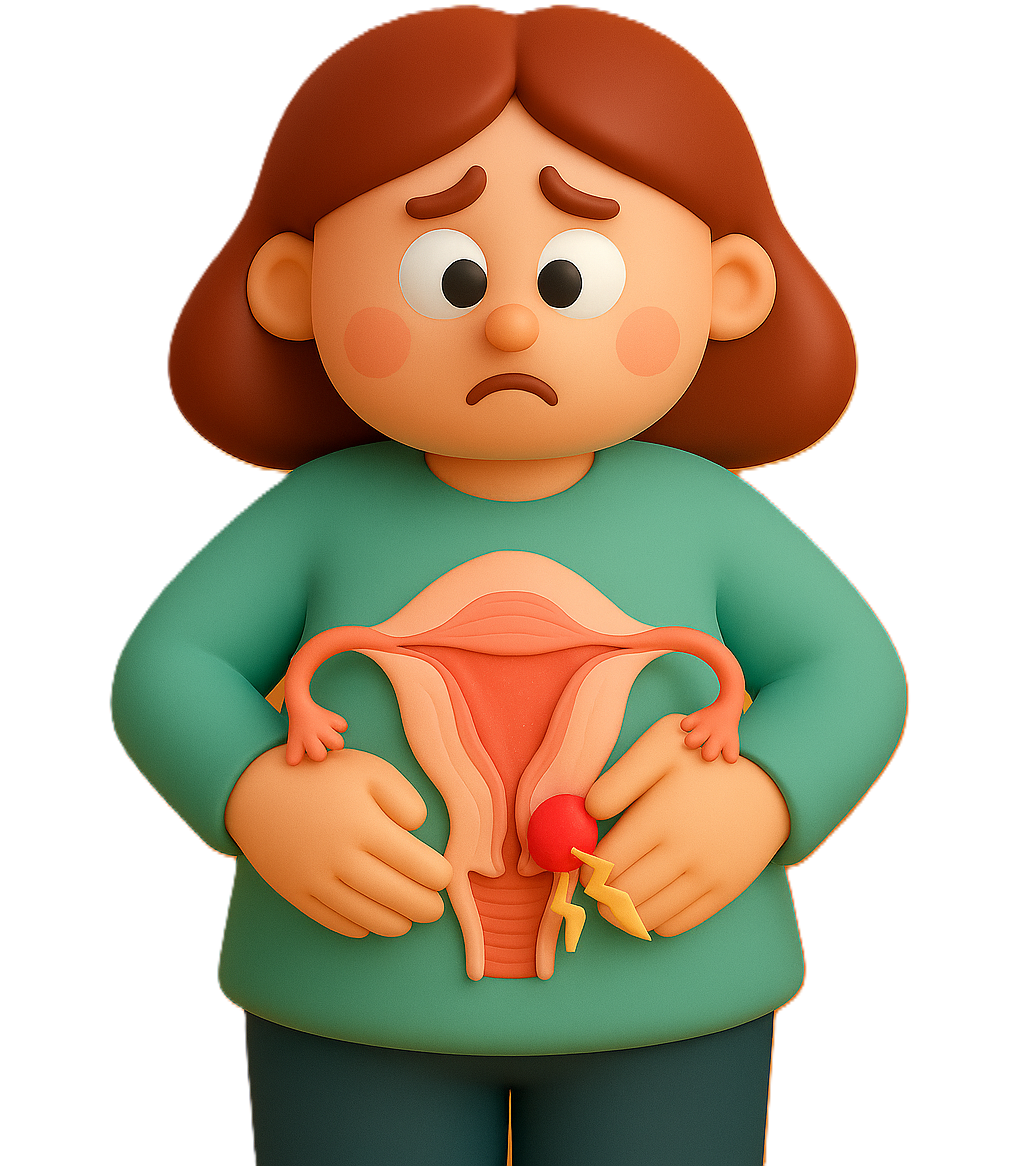
Experts believe that the cause of a Bartholin’s cyst is a backup of fluid. Fluid may accumulate when the opening of the gland (duct) becomes obstructed, perhaps caused by infection or injury.
A Bartholin’s cyst can become infected, forming an abscess. A number of bacteria may cause the infection, including Escherichia coli (E. coli) and bacteria that cause sexually transmitted infections such as gonorrhea and chlamydia.
If you have a small, noninfected Bartholin’s cyst, you may not notice it. If the cyst grows, you might feel a lump or mass near your vaginal opening. Although a cyst is usually painless, it can be tender.
A full-blown infection of a Bartholin’s cyst can occur in a matter of days. If the cyst becomes infected, you may experience:
- A tender, painful lump near the vaginal opening
- Discomfort while walking or sitting
- Pain during intercourse
- Fever
A Bartholin’s cyst or abscess typically occurs on only one side of the vaginal opening.
A Bartholin’s cyst or abscess may recur and again require treatment.
To diagnose a Bartholin’s cyst, your doctor may:
- Ask questions about your medical history
- Perform a pelvic exam
- Take a sample of secretions from your vagina or cervix to test for a sexually transmitted infection
- Recommend a test of the mass (biopsy) to check for cancerous cells if you’re postmenopausal or over 40
If cancer is a concern, your doctor may refer you to a gynecologist who specializes in cancers of the female reproductive system.
Often a Bartholin’s cyst requires no treatment — especially if the cyst causes no signs or symptoms. When needed, treatment depends on the size of the cyst, your discomfort level and whether it’s infected, which can result in an abscess.
Treatment options your doctor may recommend include:
- Sitz baths. Soaking in a tub filled with a few inches of warm water (sitz bath) several times a day for three or four days may help a small, infected cyst to rupture and drain on its own.
-
Surgical drainage. You may need surgery to drain a cyst that’s infected or very large. Drainage of a cyst can be done using local anesthesia or sedation.
For the procedure, your doctor makes a small incision in the cyst, allows it to drain, and then places a small rubber tube (catheter) in the incision. The catheter stays in place for up to six weeks to keep the incision open and allow complete drainage.
- Antibiotics. Your doctor may prescribe an antibiotic if your cyst is infected or if testing reveals that you have a sexually transmitted infection. But if the abscess is drained properly, you may not need antibiotics.
- Marsupialization. If cysts recur or bother you, a marsupialization (mahr-soo-pee-ul-ih-ZAY-shun) procedure may help. Your doctor places stitches on each side of a drainage incision to create a permanent opening less than 1/4-inch (about 6-millimeter) long. An inserted catheter may be placed to promote drainage for a few days after the procedure and to help prevent recurrence.
Rarely, for persistent cysts that aren’t effectively treated by the above procedures, your doctor may recommend surgery to remove the Bartholin’s gland. Surgical removal is usually done in a hospital under general anesthesia. Surgical removal of the gland carries a greater risk of bleeding or complications after the procedure.
Call your doctor if you have a painful lump near the opening of your vagina that doesn’t improve after two or three days of self-care — for instance, soaking the area in warm water (sitz bath). If the pain is severe, make an appointment with your doctor right away.
Also call your doctor promptly if you find a new lump near your vaginal opening and you’re older than 40. Although rare, such a lump may be a sign of a more serious problem, such as cancer.
Women who have polycystic ovary syndrome can reduce their chances of long-term complications by maintaining a normal weight through healthy diet and regular exercise.
aily soaking in warm water, several times a day, may be adequate to resolve an infected Bartholin’s cyst or abscess.
After a surgical procedure to treat an infected cyst or abscess, soaking in warm water is particularly important. Sitz baths help to keep the area clean, ease discomfort and promote effective drainage of the cyst. Pain relievers also may be helpful.
References
- Smith RP. Bartholin gland: Cysts. In: Netter’s Obstetrics and Gynecology. 3rd ed. Elsevier; 2018. https://www.clinicalkey.com. Accessed Feb. 26, 2020.
- AskMayoExpert. Bartholin cyst. Mayo Clinic; 2019.
- Illingworth BJG, et al. Evaluation of treatments for Bartholin’s cyst or abscess: A systematic review. British Journal of Obstetrics and Gynaecology. 2020; doi:10.1111/1471-0528.16079.
- Chen KT. Bartholin glad cyst and abscess: Word catheter placement. https://www.uptodate.com/contents/search. Accessed Feb. 26, 2020.
- Medical review (expert opinion). Mayo Clinic. Feb. 26, 2020.
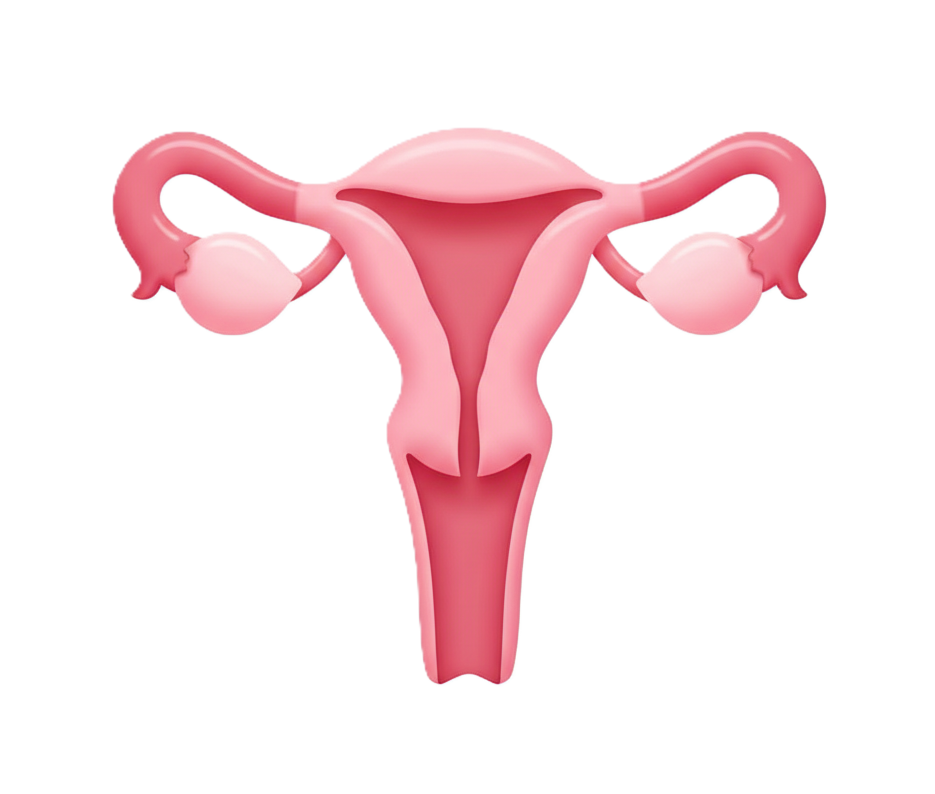

Ad
Women have unique health issues. And some of the health issues that affect both men and women can affect women differently.
Book your appointment TODAY!
Search on the closest Doctor to your location and book based on specialty. EARN 10 POINTS more with CuraPOINT.
BOOK-
Find a healthcare provider near you
-
Call for support
-
Feel free to message us!
About Us
Curafile is a Medical Cyclopedia, biggest Healthcare Curated Network Globally, serves citizens, service providers in one place.
- Estonia - Qatar
Jordan - Saudi Arabia