- Al-Hussain Business Park, Jordan
- +(962) 000-0000
- info@curafile.com

Nabothian Cyst
- Home
- Female Reproductive System
- Nabothian Cyst
A nabothian cyst is a tiny bump that forms when skin cells trap mucus inside the glands in your cervix.
People who get them may have just one cyst, or they may have multiple nabothian cysts. Usually, you won’t know you have a nabothian cyst unless your doctor sees one during a pelvic exam and tells you it’s there. Don’t worry if you have them. Nabothian cysts are common and harmless.
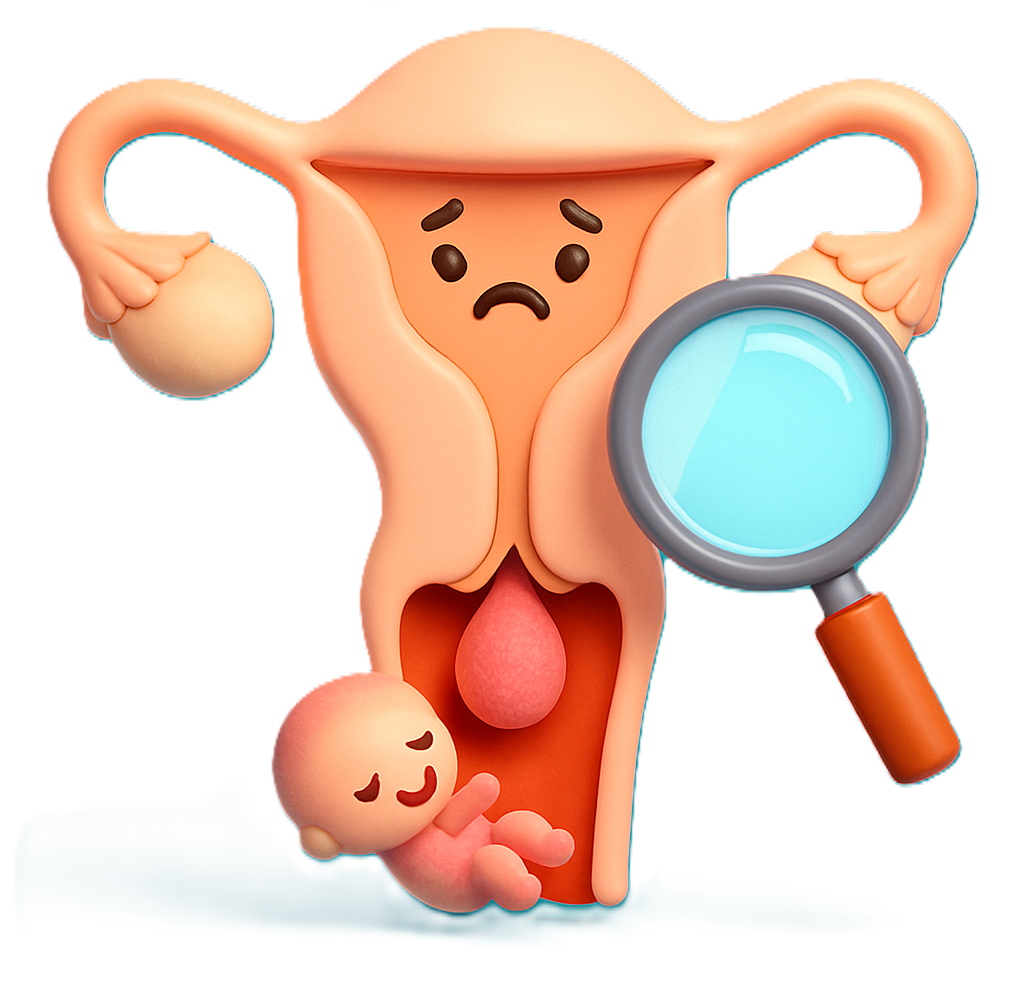
The glands in your cervix regularly produce mucus. Sometimes, though, healthy skin cells in the cervix cover these glands, creating a barrier that traps the mucus inside the gland. With nowhere to escape, the mucus swells inside the gland, creating a nabothian cyst. Depending on how much mucus is trapped inside, these cysts range from a few millimeters to 4 centimeters in diameter. Viewed up close, they may look white or yellow. They may look clear or cloudy.
You probably won’t know you have a nabothian cyst unless your provider notices it during a pelvic exam. Rarely, a nabothian cyst may cause symptoms that make you feel uncomfortable, such as:
- Light pressure or a feeling of fullness in your vagina.
- Pain before, during or after intercourse (dyspareunia).
You may notice symptoms if you have a nabothian cyst that ruptures. When a cyst bursts, it releases mucus and small amounts of blood that you may notice as vaginal discharge. The discharge may be smelly, too. These symptoms don’t usually last long. If these symptoms last over a long period of time, contact your provider to see what’s happening.
Having an especially large cyst or multiple cysts may make it hard for your doctor to collect cells during a Pap smear. Cysts may become so large that they make it hard for your doctor to access your cervix during a pelvic exam. This is very rare.
Chances are that you won’t have symptoms. Nabothian cysts are painless bumps that don’t usually get in the way of everyday life.
Nabothian cysts are so common that your provider will probably know you have them just by taking a routine look during your pelvic exam. If there’s a question, your provider may try other methods to see if you have nabothian cysts:
- Your provider may do an ultrasound, MRI (magnetic resonance imaging) or CT (computed tomography) scan.
- Your provider may do a procedure that makes it easier to see the inside of your cervix (colposcopy). This procedure makes the inside or your cervix appear larger so that your provider will be able to tell if your bump is a nabothian cyst or something else.
- Your provider may take a sample of the fluid inside your cyst and send it off to the lab for testing. Testing the fluid will allow your provider to be sure that the bump isn’t cancer, in case there’s any question.
You won’t need treatment unless your cyst is uncomfortable or if it’s so large that it makes it hard for your provider to do a Pap smear. If you and your provider decide that removing your cyst is the best route, you probably won’t need surgery to do it. Instead, your provider can destroy the cyst using electricity and cold.
- Electricity (electrocautery ablation): Electrical currents are directed at the cyst. The currents heat and eventually destroy the cyst.
- Cold (cryotherapy): Liquid nitrogen freezes the cyst, destroying it.
Your provider may cut out the cyst if it’s hard to tell whether or not it has cells that could become cancerous (cervical neoplasia).
You can get these procedures done in an office visit. You should feel fine within a few days.
Nabothian cysts don’t just go away on their own, but that’s ok. You should be able to carry on with your life like normal with a nabothian cyst.
You can’t prevent nabothian cysts, but you shouldn’t worry if you get them. When it comes to prevention, focus instead on catching those irregularities that are more concerning. Take care that you’re being consistent with visits to your gynecologist.
Anyone with a cervix can get nabothian cysts although they’re more likely to appear between puberty and menopause. Certain life events affect the way the skin cells inside your cervix grow so that they’re more likely to block your glands and create a cyst.
- After having a baby. Many people learn that they have a nabothian cyst as part of a routine exam after pregnancy. The skin cells in your cervix grow faster after you’ve given birth. The new cells can clog the glands in your cervix, causing you to get a nabothian cyst.
- After experiencing an injury to your cervical area. The skin cells in your cervix increase after you’ve had an injury in that area. The new cells help to repair any damage that was done to the tissue in your cervix. These skin cells can block the glands in the cervix, trapping mucus there and forming a nabothian cyst.
- After your cervix has been inflamed or infected. Skin cells in your cervix reproduce to repair any damage following an inflammation or infection. The skin cells can clog your glands, causing a nabothian cyst. Nabothian cysts sometimes form after you’ve had a condition that inflames the tissue in your cervix (chronic cervicitis).
References
- Barrigón A, Ziadi S, Jacot-Guillarmod M, et al. Nabothian cyst content: A potential pitfall for the diagnosis of invasive cancer on Pap test cytology (https://pubmed.ncbi.nlm.nih.gov/30353714/). Diagn Cytopathol. 2019;47(2):127-129. Accessed 4/4/2022.
- Casey PM, Long ME, Marnach ML. Abnormal cervical appearance: what to do, when to worry? (https://pubmed.ncbi.nlm.nih.gov/21270291/)Mayo Clin Proc. 2011;86(2):147-151. Accessed 4/4/2022.
- Ki EY, Byun SW, Park JS, Lee SJ, Hur SY. Adenoma malignum of the uterine cervix: report of four cases. (https://www.ncbi.nlm.nih.gov/pmc/articles/PMC3733704/)World J Surg Oncol. 2013;11:168. Published 2013 Jul 26. Accessed 4/4/2022.

Ad
Women have unique health issues. And some of the health issues that affect both men and women can affect women differently.
Book your appointment TODAY!
Search on the closest Doctor to your location and book based on specialty. EARN 10 POINTS more with CuraPOINT.
BOOK-
Find a clinic near you
-
Call for an appointment!
-
Feel free to message us!
About Us
Curafile is the biggest Healthcare Curated Network Globally that serves citizens, service providers in one place.
- Al Hussain Business Park
Amman, Jordan