

Uterine Cancer
- Home
- Female Reproductive System
- Uterine Cancer

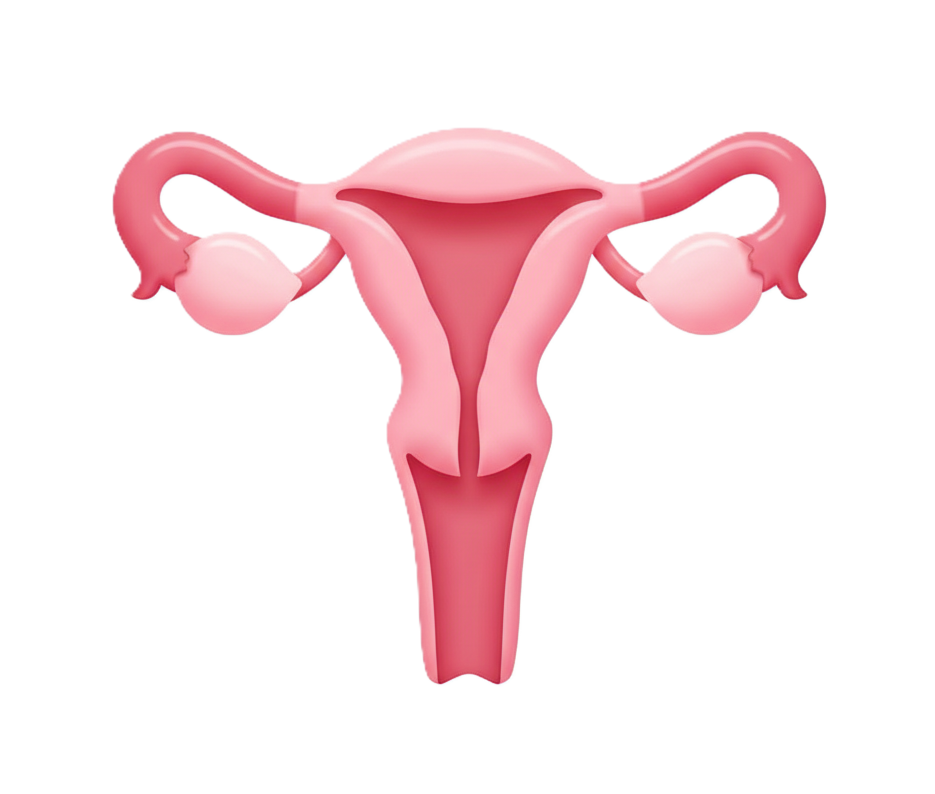
Uterine cancer is a cancer that forms in tissues of the uterus, which is sometimes called the womb. The uterus is the place where a fetus grows during pregnancy.
There are two types of uterine cancer:
- Endometrial cancer is the most common type. This type of cancer begins in the cells lining the uterus, known as the endometrium.
- Uterine sarcoma is a rare, more aggressive cancer that is harder to treat. This type of cancer begins in muscle or other tissues in the uterus.
Uterine cancer usually happens after menopause. The cause is unknown. However, some factors and conditions that change the balance of hormones in your body may increase your risk. These can include obesity or metabolic syndrome (a group of risk factors for certain health problems).
Other factors and conditions that may increase your risk for:
Endometrial cancer
- Taking estrogen-only hormone replacement therapy (HRT) after menopause.
- Having type 2 diabetes.
- Starting menstruation at an early age or menopause at a later age.
- Having never been pregnant.
- Taking tamoxifen, a medicine used to prevent or treat breast cancer.
- Having polycystic ovary syndrome.
- Having a mother, sister, or daughter who has had endometrial cancer.
- Having certain genetic conditions, such as Lynch syndrome.
- Having endometrial hyperplasia (thickening of the uterine lining).
Uterine sarcoma
- Having had past treatment with radiation therapy to the pelvis.
- Taking tamoxifen, a medicine used to prevent or treat breast cancer.
The most common symptom of both endometrial cancer and uterine sarcoma is abnormal vaginal bleeding. Both types of uterine cancer may also cause pelvic pain or pressure, unusual vaginal discharge, or an enlarged uterus or pelvic mass.
Less common symptoms may include urinating (peeing) often, having trouble urinating, or pain during sexual intercourse.
If you have symptoms of uterine cancer, your health care provider may:
- Ask about your medical history and family health history.
- Do a pelvic exam.
- Order imaging tests.
- Suggest a biopsy or a minor procedure called dilation and curettage (D & C) to check the lining of your uterus.
Treatment may depend on your health, how much cancer you have, and whether it has spread. The most common treatment is having a hysterectomy, which is surgery to remove the uterus. Sometimes the surgery also removes the ovaries and fallopian tubes.
You may have more than one type of treatment. Other treatments may include:
- Hormone therapy
- Radiation therapy
- Chemotherapy
There is no sure way to prevent uterine cancer. But you can do things that may help lower your risk such as aiming for a healthy weight, getting regular physical activity, and talking to your provider about the benefits and risks of hormone therapy.
Infertility and complications during pregnancy may occur.
Women with polycystic ovary syndrome may be at increased risk for:
- Diabetes
- High blood pressure
- High cholesterol
- Obesity
- Uterine cancer
Women who have polycystic ovary syndrome can reduce their chances of long-term complications by maintaining a normal weight through healthy diet and regular exercise.
References
Bulun SE. Physiology and pathology of the female reproductive axis. In: Melmed S, Auchus RJ, Goldfine AB, Koenig RJ, Rosen CJ, eds. Williams Textbook of Endocrinology. 14th ed. Philadelphia, PA: Elsevier; 2020:chap 17.
Chen ZJ, Legro RS, Ehrmann DA, Wei D. Androgen excess disorders in women. In: Robertson RP, ed. DeGroot’s Endocrinology. 8th ed. Philadelphia, PA: Elsevier; 2023:chap 124.
Huddleston HG, Quinn MM, Gibson M. Polycystic ovary syndrome and hirsutism. In: Kliegman RM, St. Geme JW, Blum NJ, et al, eds. Nelson Textbook of Pediatrics, 2-volume set. 22nd ed. Philadelphia, PA: Elsevier; 2025:chap 589.
Lobo RA. Androgen excess in women. In: Gershenson DM, Lentz GM, Valea FA, Lobo RA, eds. Comprehensive Gynecology. 8th ed. Philadelphia, PA: Elsevier; 2022:chap 38.

Ad
Women have unique health issues. And some of the health issues that affect both men and women can affect women differently.
Book your appointment TODAY!
Search on the closest Doctor to your location and book based on specialty. EARN 10 POINTS more with CuraPOINT.
BOOK-
Find a healthcare provider near you
-
Call for support
-
Feel free to message us!
About Us
Curafile is a Medical Cyclopedia, biggest Healthcare Curated Network Globally, serves citizens, service providers in one place.
- Estonia - Qatar
Jordan - Saudi Arabia