

Prader-Willi Syndrome
- Home
- Genetics and Birth Defects
- Prader-Willi Syndrome
Prader-Willi (PRAH-dur VIL-e) syndrome is a rare genetic condition that leads to physical, mental and behavioral problems. A key feature of Prader-Willi syndrome is a sense of being hungry all the time.
People with Prader-Willi syndrome want to eat all the time because they never feel full. This is called hyperphagia. As a result, they usually find it hard to manage their weight. Many complications of Prader-Willi syndrome are due to obesity.
A team of different types of specialists can best manage the symptoms of Prader-Willi syndrome. The team approach to this complex condition makes complications less likely and improves quality of life.
Symptoms of Prader-Willi syndrome, which can vary, slowly change over time from childhood to adulthood.
- Infants
- Early childhood to adulthood
Symptoms that may be present from birth include:
- Poor muscle tone. A main sign during infancy is poor muscle tone, also known as hypotonia. Babies may rest with their elbows and knees loosely extended instead of fixed. They also may feel floppy or like rag dolls when they’re held.
- Distinct facial features. Babies may be born with almond-shaped eyes, a narrowing of the head at the temples, a turned-down mouth and a thin upper lip.
- Poor sucking reflex. Infants may have a poor sucking reflex because they have less muscle tone. Poor sucking makes feeding hard and can make it less likely they’ll gain weight at the expected rate.
- Generally poor responsiveness. A baby may seem very tired, respond poorly to stimulation, have a hard time waking up or weakly cry.
- Underdeveloped genitals. Males may have a small penis and scrotum. The testicles may be small or not descend from the abdomen into the scrotum. This is known as cryptorchidism. In females, the clitoris and labia may be small.
Other features of Prader-Willi syndrome appear when a child is very young and continue for life, including:
- Food craving and weight gain. A classic sign of Prader-Willi syndrome is a craving for food all the time, starting in early childhood. Being hungry all the time leads to eating often and eating large portions. This leads to quick weight gain. Unusual food-seeking behaviors, such as hoarding food, or eating frozen food or garbage, may occur.
- Underdeveloped sex organs. A condition called hypogonadism occurs when sex organs — testes in males and ovaries in females — produce little or no sex hormones. This leads to sex organs that don’t develop fully and incomplete or delayed puberty. Nearly all people with Prader-Willi syndrome aren’t able to get pregnant. Without treatment, females may not start their menstrual period until their 30s, or they may never have a period. Males may not have much facial hair, and their voices may never fully deepen.
- Poor growth and physical development. Not making enough growth hormone can shorten adult height and lead to low muscle mass and high body fat. Other endocrine problems may include not making enough thyroid hormone, also known as hypothyroidism. Another endocrine problem is central adrenal insufficiency, which keeps the body from responding properly to stress or infections.
- Having a hard time thinking, solving problems and learning. A common feature of Prader-Willi syndrome is having mild to moderate problems thinking, reasoning and problem-solving. This is called cognitive impairment. Even children and adults without cognitive impairment may have learning disabilities.
- Delayed motor skills. Toddlers with Prader-Willi syndrome often reach milestones in physical movement, such as sitting up or walking, later than other children.
- Speech problems. Speech often is delayed. Having a hard time choosing words and speaking clearly may continue as an adult.
- Behavioral problems. At times, children and adults may be very stubborn, angry, controlling or manipulative. They may throw temper tantrums, especially when denied food. They may not accept changes in routine. Also, they may start to show obsessive-compulsive or repetitive behaviors, or both. Other mental health conditions, such as anxiety and skin picking, may occur.
- Sleep conditions. Children and adults with Prader-Willi syndrome may have sleep conditions, including disruptions of the typical sleep cycle. They also may have sleep apnea, which is when breathing pauses during sleep. These conditions can make them very sleepy during the day and worsen behavior problems.
- Other symptoms. These symptoms may include small hands and feet, and curvature of the spine, also known as scoliosis. They also may have hip problems, less saliva flow, dental problems, and nearsightedness and other vision problems. Other symptoms include a lack of pigment, also known as hypopigmentation, which causes hair, eyes and skin to be pale. They also may have problems controlling their body temperature. They may be able to handle more pain than the average person.
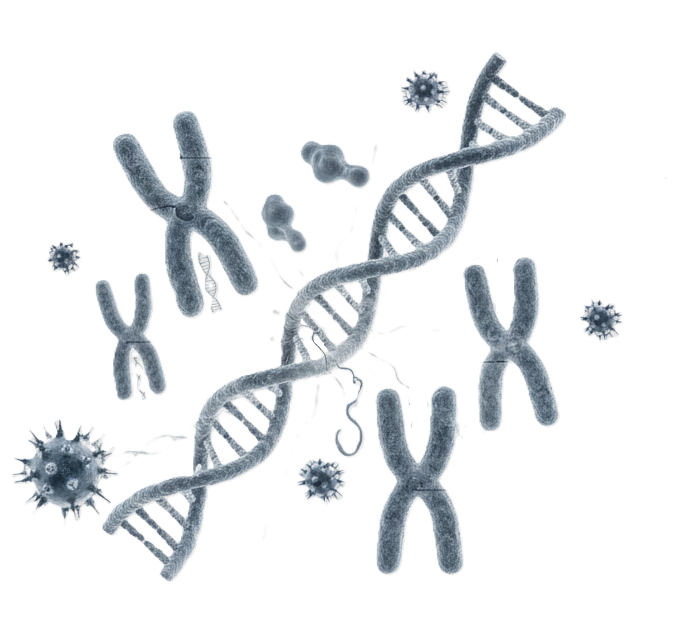
Prader-Willi syndrome is a genetic condition that is caused by an error in one or more genes. Although it’s not known exactly what causes Prader-Willi syndrome, the problem lies in the genes in a region of chromosome 15.
Except for genes related to sex characteristics, all genes come in pairs. One copy is inherited from the father, known as a paternal gene. And one copy is inherited from the mother, known as a maternal gene. For most types of genes, if one copy is active, also known as expressed, then the other copy also is expressed. But it’s typical for some types of genes to act alone.
Prader-Willi syndrome occurs because certain paternal genes that should be expressed aren’t because:
- Paternal genes on chromosome 15 are missing.
- The child inherited two copies of chromosome 15 from the mother and no chromosome 15 from the father.
- There’s some change in paternal genes on chromosome 15.
A missing or changed gene on chromosome 15 disrupts how a portion of the brain called the hypothalamus typically works. This part of the brain controls the release of hormones. A hypothalamus that isn’t working properly can affect hunger, growth, sexual development, body temperature, mood and sleep.
In most cases, a random gene change that isn’t inherited causes Prader-Willi syndrome. Finding which gene change caused Prader-Willi syndrome can help with genetic counseling.
A child with an error in one or more genes in chromosome 15 is at the highest risk of getting Prader-Willi syndrome. For example, one of the genes might be missing. This error may or may not be inherited.
Those who have a child with Prader-Willi syndrome and would like to have another baby should think about getting genetic counseling. A genetic counselor can help figure out the risk of having another child with Prader-Willi syndrome.
- Obesity-related complications
-
Complications of not
making enough hormones - Other complications
In addition to being hungry all the time, people with Prader-Willi syndrome have low muscle mass. As a result, they need fewer calories, and they may not be physically active. These factors make them prone to obesity and the medical problems related to obesity, such as:
- Type 2 diabetes.
- High blood pressure.
- High cholesterol.
- Heart disease.
- Sleep apnea.
- Other complications, such as being more likely to have liver disease and gallstones.
Complications that come from not making enough hormones may include:
- Sterility. Although there have been a few reports of females with Prader-Willi syndrome becoming pregnant, most people with this condition can’t have children.
- Osteoporosis. Osteoporosis causes bones to break easily. People with Prader-Willi syndrome are more likely to get osteoporosis because they have low levels of sex hormones. They also may have low levels of growth hormone. Both hormones support strong bones.
Prader-Willi syndrome can cause other complications, including:
- Choking and stomach rupture. Eating large amounts of food quickly, called binge eating, can cause the stomach to become larger than usual. People with Prader-Willi syndrome may not report pain, and they rarely vomit. Binge eating also can cause choking. Rarely, people may eat so much that it ruptures their stomachs.
- Dental problems. Having less saliva and saliva that is thickened with dry mouth are common in Prader-Willi syndrome, as is poorly developed tooth enamel. These problems, combined with poor dental hygiene, can lead to dental cavities and gum disease.
- Reduced quality of life. Behavioral problems can affect family functioning, getting a good education and taking part in social activities. These issues lower the quality of life.
Regularly scheduled well-baby visits can help find early signs of poor growth and development that can be signs of Prader-Willi syndrome or other conditions. If you have concerns about your baby’s health between well-baby visits, schedule an appointment with your child’s healthcare professional.
If you have a child with Prader-Willi syndrome and would like to have another baby, think about getting genetic counseling. A genetic counselor can help you figure out the risk of having another child with Prader-Willi syndrome
References
Prader-Willi Syndrome – MayoClinic – https://www.mayoclinic.org/diseases-conditions/turner-syndrome/symptoms-causes/syc-20360782?p=1

Ad
Women have unique health issues. And some of the health issues that affect both men and women can affect women differently.
Book your appointment TODAY!
Search on the closest Doctor to your location and book based on specialty. EARN 10 POINTS more with CuraPOINT.
BOOK-
Find a healthcare provider near you
-
Call for support
-
Feel free to message us!
About Us
Curafile is a Medical Cyclopedia, biggest Healthcare Curated Network Globally, serves citizens, service providers in one place.
- Estonia - Qatar
Jordan - Saudi Arabia