

- Why get vaccinated?
- Hepatitis A vaccine
- Talk with your health care provider
- Risks of a vaccine reaction
- What if there is a serious problem?
- How can I learn more?
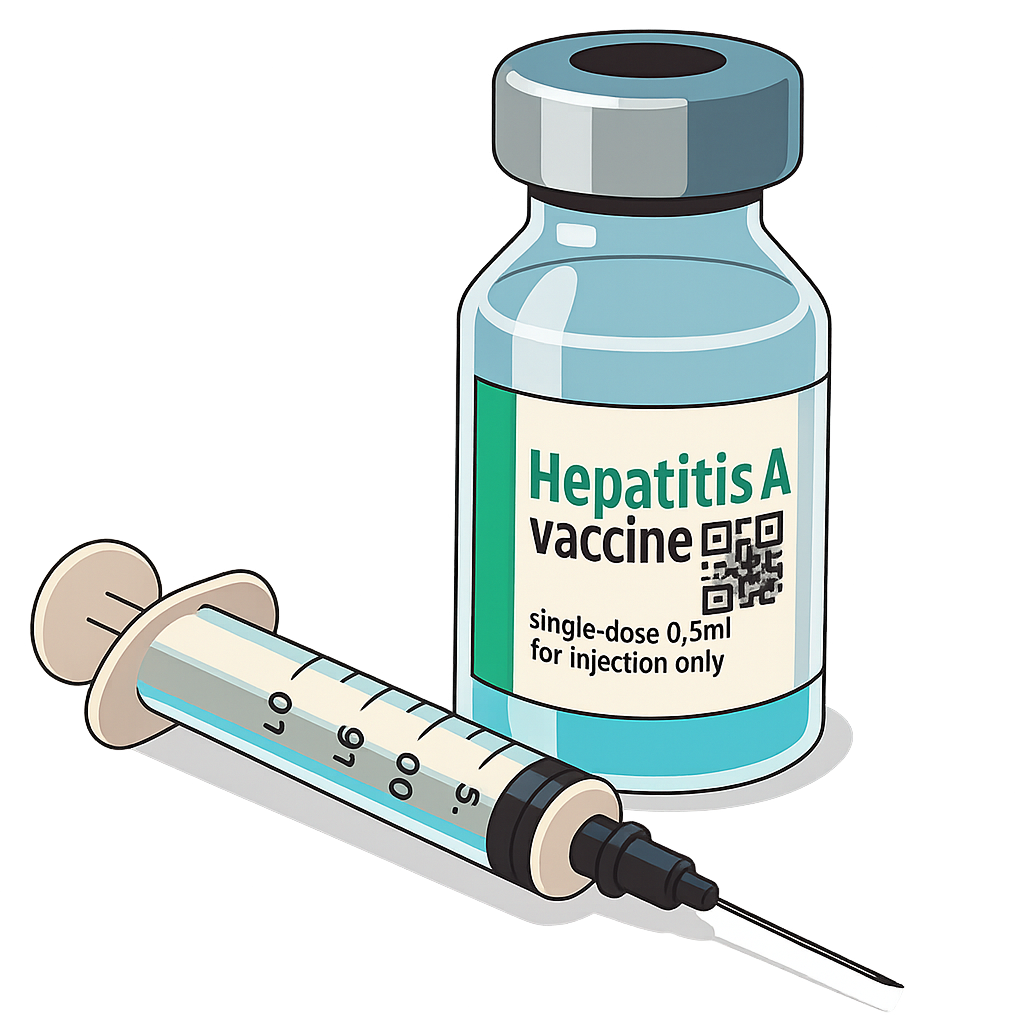
Hepatitis A vaccine can prevent hepatitis A.
Hepatitis A is a serious liver disease. It is usually spread through close, personal contact with an infected person or when a person unknowingly ingests the virus from objects, food, or drinks that are contaminated by small amounts of stool (poop) from an infected person.
Most adults with hepatitis A have symptoms, including fatigue, low appetite, stomach pain, nausea, and jaundice (yellow skin or eyes, dark urine, light-colored bowel movements). Most children less than 6 years of age do not have symptoms.
A person infected with hepatitis A can transmit the disease to other people even if he or she does not have any symptoms of the disease.
Most people who get hepatitis A feel sick for several weeks, but they usually recover completely and do not have lasting liver damage. In rare cases, hepatitis A can cause liver failure and death; this is more common in people older than 50 years and in people with other liver diseases.
Children need 2 doses of hepatitis A vaccine:
- First dose: 12 through 23 months of age
- Second dose: at least 6 months after the first dose
Infants 6 to 11 months old should also be vaccinated against Hepatitis A. The dose does not count toward the routine 2-dose series.
Older children and adolescents 2 through 18 years of age who were not vaccinated previously should be vaccinated.
Adults who were not vaccinated previously and want to be protected against hepatitis A can also get the vaccine.
Hepatitis A vaccine is also recommended for the following people:
- International travelers
- Men who have sexual contact with other men
- People who use injection or non-injection drugs
- People who have occupational risk for infection
- People who anticipate close contact with an international adoptee
- People experiencing homelessness
- People with HIV
- People with chronic liver disease
In addition, a person who has not previously received hepatitis A vaccine and who has direct contact with someone with hepatitis A should get hepatitis A vaccine as soon as possible and within 2 weeks after exposure.
Hepatitis A vaccine may be given at the same time as other vaccines.
Tell your vaccination provider if the person getting the vaccine:
- Has had an allergic reaction after a previous dose of hepatitis A vaccine, or has any severe, life-threatening allergies
In some cases, your health care provider may decide to postpone hepatitis A vaccination until a future visit.
Pregnant or breastfeeding women should be vaccinated if they are at risk for getting hepatitis A. Pregnancy or breastfeeding are not reasons to avoid hepatitis A vaccination.
People with minor illnesses, such as a cold, may be vaccinated. People who are moderately or severely ill should usually wait until they recover before getting hepatitis A vaccine.
Your health care provider can give you more information.
- Soreness or redness where the shot is given, fever, headache, tiredness, or loss of appetite can happen after hepatitis A vaccination.
People sometimes faint after medical procedures, including vaccination. Tell your provider if you feel dizzy or have vision changes or ringing in the ears.
As with any medicine, there is a very remote chance of a vaccine causing a severe allergic reaction, other serious injury, or death.
An allergic reaction could occur after the vaccinated person leaves the clinic. If you see signs of a severe allergic reaction (hives, swelling of the face and throat, difficulty breathing, a fast heartbeat, dizziness, or weakness), call 9-1-1 and get the person to the nearest hospital.
For other signs that concern you, call your health care provider.
Ask your health care provider.
References
Updated by: Linda J. Vorvick, MD, Clinical Professor, Department of Family Medicine, UW Medicine, School of Medicine, University of Washington, Seattle, WA. Also reviewed by David C. Dugdale, MD, Medical Director, Brenda Conaway, Editorial Director, and the A.D.A.M. Editorial team. Editorial update 04/28/2025.
Related Topics

Other Specialities
Stay away from good habits
Book your appointment TODAY!
Search on the closest Doctor to your location and book based on specialty. EARN 10 POINTS more with CuraPOINT.
BOOK-
Find a healthcare provider near you
-
Call for support
-
Feel free to message us!
About Us
Curafile is a Medical Cyclopedia, biggest Healthcare Curated Network Globally, serves citizens, service providers in one place.
- Estonia - Qatar
Jordan - Saudi Arabia