

Emphysema
- Home
- Lungs and Breathing
- Emphysema
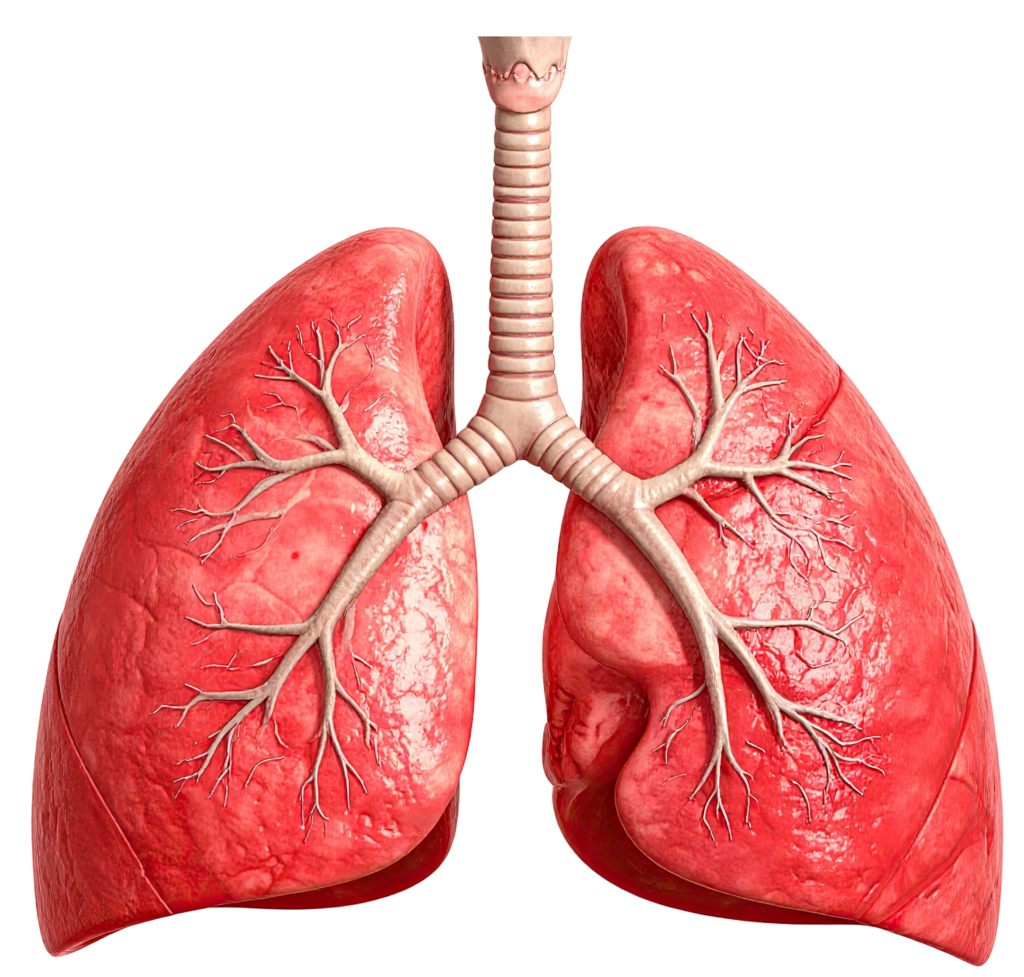
Emphysema is a long-term lung condition that causes shortness of breath. Over time, the condition damages the thin walls of the air sacs in the lungs called alveoli. In healthy lungs, these sacs stretch and fill with air when you breathe in. The elastic sacs help the air leave when you breathe out. But when the air sacs are damaged in emphysema, it’s hard to move air out of your lungs. This doesn’t leave room for fresh, oxygen-rich air to enter your lungs.
Symptoms of emphysema include trouble breathing, especially with activity, and a wheezing sound when breathing out. How severe the condition is can vary.
Smoking is the leading cause of emphysema. Treatment can help with symptoms and may slow how fast the condition gets worse. But it can’t reverse the damage.
You can have emphysema for many years without noticing any symptoms. They usually begin gradually and include:
- Shortness of breath, especially with physical activity. This is the main symptom of emphysema.
- Wheezing, whistling or squeaking sound when you breathe out.
- Coughing.
- Chest tightness or heaviness.
- Feeling very tired.
- Weight loss and ankle swelling that may happen as the condition gets worse over time.
You may start avoiding activities that cause you to be short of breath, so the symptoms don’t become a problem until they keep you from doing daily tasks. Emphysema eventually causes trouble breathing even while you’re resting.
Emphysema is one of the two common types of chronic obstructive pulmonary disease (COPD). The other common type is chronic bronchitis. In chronic bronchitis, the lining of the tubes that carry air to your lungs, called bronchial tubes, become irritated and swollen. This inflammation limits the space for air to move in and out of the lungs and makes extra mucus that blocks the airways. Emphysema and chronic bronchitis often occur together, so the general term COPD may be used.
Even with ongoing treatment, you may have times when symptoms become worse for days or weeks. This is called an acute exacerbation (eg-zas-er-bay-shun). It may lead to lung failure if you don’t receive prompt treatment.
Exacerbations may be caused by a respiratory infection, air pollution or other things that trigger inflammation. Whatever the cause, it’s important to get medical help promptly if you notice an ongoing worsening cough or extra mucus, or if you have a harder time breathing.
Emphysema results from long-term exposure to airborne irritants, including:
- Smoking cigarettes, which is the most common cause.
- Chemical fumes, especially in the workplace.
- Vapors and dusts, especially in the workplace.
Rarely, emphysema results from a gene change passed down in families. This gene change causes low levels of a protein called alpha-1-antitrypsin (AAT). AAT is made in the liver and is passed into the bloodstream to help protect the lungs from damage caused by smoke, fumes and dust. Low levels of AAT, a condition called alpha-1-antitrypsin deficiency, can cause liver damage, lung conditions such as emphysema or both. With AAT deficiency, there is usually a family history of emphysema, and symptoms begin at a younger age.
Treatment is based on how severe your symptoms are and how often you have exacerbations. Effective therapy can control symptoms, slow how fast the condition worsens, lower the risk of complications and exacerbations, and help you lead a more active life.
- Quitting smoking
- Medicine
- Lung therapies
- Managing exacerbations
- Surgery
- Alpha-1-antitrypsin deficiency
The most important step in any treatment plan for emphysema is to quit all smoking. Stopping smoking can keep emphysema from getting worse and making it harder to breathe. Talk with your healthcare professional about stop-smoking programs, nicotine replacement products and medicines that might help.
Several kinds of medicines are used to treat the symptoms and complications of emphysema. You may take some medicines on a regular basis and others as needed. Most medicines for emphysema are given using an inhaler. This small, handheld device delivers the medicine straight to your lungs when you breathe in the fine mist or powder. Talk with your healthcare professional so that you know the right way to use the inhaler prescribed.
Medicines may include:
- Bronchodilators. Bronchodilators are medicines that usually come in inhalers. Bronchodilators relax the muscles around your airways. This can help relieve coughing and make breathing easier. Depending on the severity of your emphysema, you may need a short-acting bronchodilator before activities, a long-acting bronchodilator that you use every day or both.
- Inhaled steroids. Inhaled corticosteroids can lessen airway inflammation and help keep exacerbations from happening. Side effects may include bruising, mouth infections and hoarseness. These medicines are useful if you often have exacerbations of emphysema.
- Combination inhalers. Some inhalers combine bronchodilators and inhaled steroids. There also are combination inhalers that include more than one type of bronchodilator.
- Antibiotics. If you have a bacterial infection, such as acute bronchitis or pneumonia, antibiotics can help.
- Oral steroids. For exacerbations, a short course, for example, of five days of oral corticosteroids may keep symptoms from getting worse. But long-term use of these medicines can have serious side effects, such as weight gain, diabetes, osteoporosis, cataracts and a higher risk of infection.
- Pulmonary rehabilitation. These programs generally combine education, exercise training, nutrition advice and counseling. You work with a variety of specialists who can tailor your rehabilitation program to meet your needs. Pulmonary rehabilitation may help lessen your breathlessness and allow you to be more active and exercise.
- Nutrition therapy. You may benefit from advice about nutrition by working with a dietitian. In the early stages of emphysema, many people need to lose weight, while people with late-stage emphysema often need to gain weight.
Oxygen therapy. If you have severe emphysema with low blood oxygen levels, you may need extra oxygen at home. You can get this extra oxygen to your lungs through a mask or a plastic tubing with tips that fit into your nose. These attach to an oxygen tank. Lightweight, portable units can help some people get around more.
Supplemental oxygen can help your breathing during physical activity and help you sleep better. Many people use oxygen 24 hours a day, even when resting.
When exacerbations occur, you may need added medicines, such as antibiotics, oral steroids or both. You also may need supplemental oxygen or treatment in the hospital. Once symptoms get better, your healthcare professional can talk with you about what steps to take to help stop future exacerbations.
Depending on the severity of your emphysema, your healthcare professional may suggest one or more different types of surgery, including:
- Lung volume reduction surgery. In this surgery, the surgeon removes small wedges of damaged lung tissue from the upper lungs. This creates extra space in the chest so that the remaining healthier lung tissue can expand and the muscle that helps in breathing can work better. In some people, this surgery can make their quality of life better and help them live longer.
- Endoscopic lung volume reduction. Also called endobronchial valve surgery, this is a minimally invasive procedure to treat people with emphysema. A tiny one-way endobronchial valve is placed in the lung. Air can leave the damaged part of the lung through the valve, but no new air gets in. This allows the most damaged lung lobe to shrink so that the healthier part of the lung has more space to expand and function.
- Bullectomy. Large air spaces called bullae form in the lungs when the inner walls of the alveoli are destroyed. This leaves one large air sac instead of a cluster of many smaller ones. These bullae can become very large and cause breathing problems. In a bullectomy, the surgeon removes the bullae from the lungs to allow more air flow.
- Lung transplant. A lung transplant may be an option for certain people who meet specific criteria. Getting a new lung can make breathing easier and allow a more active lifestyle. But it’s major surgery that has serious risks, such as organ rejection. To try to keep organ rejection from happening, it’s necessary to take lifelong medicine that weakens the immune system.
For adults with emphysema related to AAT deficiency, treatment options include those used for people with more-common types of emphysema. Some people can be treated by also replacing the missing AAT protein. This may stop more damage to the lungs.
To find out if you have emphysema, your doctor or other healthcare professional asks about your medical and family history, smoking, and whether you’re often around other lung irritants. Your healthcare professional does a physical exam that includes listening to your lungs. You may have imaging tests, lung function tests and lab tests.
- Imaging tests
- Lung function tests
- Lab tests
- Chest X-ray. This test may show some lung changes caused by emphysema. It also can rule out other causes of your symptoms. But the chest X-ray may not show changes even if you have emphysema.
- Computerized tomography (CT) scan. A CT scan combines X-ray images taken from many different angles to create images of structures inside the body. A CT scan gives much greater detail of changes in your lungs than a chest X-ray does. A CT scan of your lungs can show emphysema. It also can help in deciding if you might benefit from surgery. A CT scan can be used to check for lung cancer too.
Also called pulmonary function tests, lung function tests measure the amount of air you can breathe in and breathe out, and whether your lungs deliver enough oxygen to your blood.
Spirometry is the most common test to diagnose emphysema. During spirometry you blow into a large tube connected to a small machine. This measures how much air your lungs can hold and how fast you can blow the air out of your lungs. Spirometry tells how much airflow is limited.
Other tests include measurement of lung volumes and diffusing capacity, six-minute walk test, and pulse oximetry.
Lung function tests and imaging tests can show whether you have emphysema. And they also can be used to check your condition over time and see how well treatments are working.
Blood tests aren’t used to diagnose emphysema, but they may give more information about your condition, find the cause of your symptoms or rule out other conditions.
- Arterial blood gas analysis. This blood test measures how well your lungs are bringing oxygen into your blood and removing carbon dioxide.
- Testing for AAT deficiency. Blood tests can tell if you have the gene change passed down in families that causes the condition alpha-1-antitrypsin deficiency.

Lung damage in emphysema develops gradually. In most people with the condition, symptoms start after age 40.
Factors that increase your risk of developing emphysema include:
- Smoking. Smoking cigarettes or having smoked in the past is the biggest risk factor for emphysema. But people who smoke cigars, pipes or marijuana also are at risk. The risk for all types of smokers increases with the number of years of smoking and the amount of tobacco smoked.
- Being around secondhand smoke. Secondhand smoke is smoke that you breathe in from someone else’s cigarette, pipe or cigar. Being around secondhand smoke raises your risk of emphysema.
- Job exposure to fumes, vapors or dust. If you breathe in fumes or vapors from certain chemicals or dust from grain, cotton, wood or mining products, you’re more likely to develop emphysema. This risk is even greater if you also smoke.
- Exposure to indoor and outdoor pollution. Breathing indoor pollutants, such as fumes from heating fuel, as well as outdoor pollutants, such as smog or car exhaust, increases your risk of emphysema.
- Genetics. The uncommon condition called AAT deficiency raises the risk of emphysema. Other genetic factors may make certain smokers more likely to get emphysema.
People who have emphysema are more likely to develop:
- High blood pressure in lung arteries. Emphysema may cause high blood pressure in the arteries that bring blood to the lungs. This serious condition is called pulmonary hypertension. Pulmonary hypertension can cause the right side of the heart to expand and weaken, a condition called cor pulmonale.
- Other heart problems. For reasons that aren’t fully understood, emphysema can raise your risk of heart disease, including heart attack.
- Large air spaces in the lungs. Large air spaces called bullae form in the lungs when the inner walls of the alveoli are destroyed. This leaves one very large air sac instead of a cluster of many smaller ones. These bullae can become very large, even as large as half the lung. The bullae lessen the space available for the lung to expand. Also, giant bullae can increase the risk of a collapsed lung.
- Collapsed lung. A collapsed lung called pneumothorax can be life-threatening in people who have severe emphysema because their lungs are already damaged. This is not common but it’s serious when it happens.
- Lung cancer. People with emphysema have a higher risk of getting lung cancer. Smoking raises this risk even more.
- Anxiety and depression. Problems breathing can keep you from doing activities that you enjoy. And having a serious medical condition such as emphysema can sometimes cause anxiety and depression.
To prevent emphysema or to keep symptoms from getting worse:
- Don’t smoke. Talk to your healthcare professional about options for quitting.
- Stay away from secondhand smoke.
- Wear a special mask or use other measures to protect your lungs if you work with chemical fumes, vapors or dust.
- Avoid exposure to secondhand smoke and air pollution when possible.
References
- COPD. National Heart, Lung, and Blood Institute. https://www.nhlbi.nih.gov/health/copd. Accessed March 13, 2024.
- Nici L, et al. Pharmacologic management of chronic obstructive pulmonary disease: An official American Thoracic Society clinical practice guideline. American Journal of Respiratory and Critical Care Medicine. 2020; doi:10.1164/rccm.202003-0625ST.
- Ferri FF. Chronic obstructive pulmonary disease. In: Ferri’s Clinical Advisor 2024. Elsevier; 2024. https://www.clinicalkey.com. Accessed April 2, 2024.
- Wingardh ASL, et al. Effectiveness of energy conservation techniques in patients with COPD. Respiration. 2020; doi:10.1159/000506816.
- Agustí A, et al. Global initiative for chronic obstructive lung disease 2023 report: GOLD executive summary. American Journal of Respiratory and Critical Care Medicine. 2023; doi:10.1164/rccm.202301-0106PP.
- Martinez FJ. Lung volume reduction surgery in COPD. https://www.uptodate.com/contents/search. Accessed April 2, 2024.
- Goldman L, et al., eds. Occupational lung disease. In: Goldman-Cecil Medicine. 27th ed. Elsevier; 2024. https://www.clinicalkey.com. Accessed April 2, 2024.
- Broaddus VC, et al., eds. COPD: Pathogenesis and natural history. In: Murray and Nadel’s Textbook of Respiratory Medicine. 7th ed. Elsevier; 2022. https://www.clinicalkey.com. Accessed April 2, 2024.
- Broaddus VC, et al., eds. COPD: Diagnosis and management. In: Murray and Nadel’s Textbook of Respiratory Medicine. 7th ed. Elsevier; 2022. https://www.clinicalkey.com. Accessed April 2, 2024.
- Machuzak MS. Bronchoscopic treatment of emphysema. https://www.uptodate.com/contents/search. Accessed April 3, 2024.
- Cor pulmonale. Merck Manual Professional Version. https://www.merckmanuals.com/professional/cardiovascular-disorders/heart-failure/cor-pulmonale#. Accessed April 4, 2024.
- Pneumothorax. Merck Manual Professional Version. https://www.merckmanuals.com/professional/pulmonary-disorders/mediastinal-and-pleural-disorders/pneumothorax. Accessed April 4, 2024.
- Grennan D, et al. Steroid side effects. JAMA. 2019; doi:10.1001/jama.2019.8506.
- Zhang Y, et al. Effects of ambient temperature on acute exacerbations of chronic obstructive pulmonary disease: Results from a time-series analysis of 143318 hospitalizations. International Journal of Chronic Obstructive Pulmonary Disease. 2020; doi:10.2147/COPD.S224198.
- Medical review (expert opinion). Mayo Clinic. Oct. 20, 2024.

Ad
Women have unique health issues. And some of the health issues that affect both men and women can affect women differently.
Book your appointment TODAY!
Search on the closest Doctor to your location and book based on specialty. EARN 10 POINTS more with CuraPOINT.
BOOK-
Find a healthcare provider near you
-
Call for support
-
Feel free to message us!
About Us
Curafile is a Medical Cyclopedia, biggest Healthcare Curated Network Globally, serves citizens, service providers in one place.
- Estonia - Qatar
Jordan - Saudi Arabia