

Male Infertility
- Home
- Male Reproductive System
- Male Infertility
Nearly 1 in 7 couples is infertile, which means they haven’t been able to conceive a child even though they’ve had frequent, unprotected sexual intercourse for a year or longer. In up to half of these couples, male infertility plays at least a partial role.
Male infertility can be caused by low sperm production, abnormal sperm function or blockages that prevent the delivery of sperm. Illnesses, injuries, chronic health problems, lifestyle choices and other factors may contribute to male infertility.
The inability to conceive a child can be stressful and frustrating, but a number of treatments are available for male infertility.
Male fertility is a complex process. To get your partner pregnant, the following must occur:
- You must produce healthy sperm. Initially, this involves the growth and formation of the male reproductive organs during puberty. At least one of your testicles must be functioning correctly, and your body must produce testosterone and other hormones to trigger and maintain sperm production.
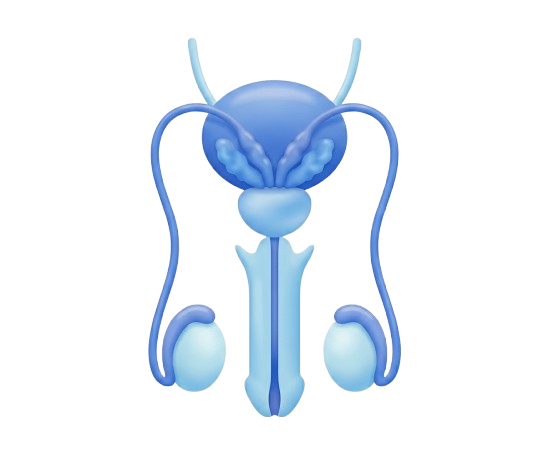
- Sperm have to be carried into the semen. Once sperm are produced in the testicles, delicate tubes transport them until they mix with semen and are ejaculated out of the penis.
- There needs to be enough sperm in the semen. If the number of sperm in your semen (sperm count) is low, it decreases the odds that one of your sperm will fertilize your partner’s egg. A low sperm count is fewer than 15 million sperm per milliliter of semen or fewer than 39 million per ejaculate.
- Sperm must be functional and able to move. If the movement (motility) or function of your sperm is abnormal, the sperm may not be able to reach or penetrate your partner’s egg.
The main sign of male infertility is the inability to conceive a child. There may be no other obvious signs or symptoms.
In some cases, however, an underlying problem such as an inherited disorder, hormonal imbalance, dilated veins around the testicle or a condition that blocks the passage of sperm causes signs and symptoms. Signs and symptoms you may notice include:
- Problems with sexual function — for example, difficulty with ejaculation or small volumes of fluid ejaculated, reduced sexual desire, or difficulty maintaining an erection (erectile dysfunction).
- Pain, swelling or a lump in the testicle area.
- Recurrent respiratory infections.
- Inability to smell.
- Abnormal breast growth (gynecomastia).
- Decreased facial or body hair or other signs of a chromosomal or hormonal abnormality.
- A lower than normal sperm count (fewer than 15 million sperm per milliliter of semen or a total sperm count of less than 39 million per ejaculate).
Problems with male fertility can be caused by a number of health issues and medical treatments:
- Varicocele. A varicocele is a swelling of the veins that drain the testicle. It’s the most common reversible cause of male infertility. Although the exact reason that varicoceles cause infertility is unknown, it may be related to abnormal blood flow. Varicoceles lead to reduced sperm quantity and quality.
- Infection. Some infections can interfere with sperm production or sperm health or can cause scarring that blocks the passage of sperm. These include inflammation of the epididymis (epididymitis) or testicles (orchitis) and some sexually transmitted infections, including gonorrhea or HIV. Although some infections can result in permanent testicular damage, most often sperm can still be retrieved.
- Ejaculation issues. Retrograde ejaculation occurs when semen enters the bladder during orgasm instead of emerging out the tip of the penis. Various health conditions can cause retrograde ejaculation, including diabetes, spinal injuries, medications, and surgery of the bladder, prostate or urethra.
- Antibodies that attack sperm. Anti-sperm antibodies are immune system cells that mistakenly identify sperm as harmful invaders and attempt to eliminate them.
- Tumors. Cancers and nonmalignant tumors can affect the male reproductive organs directly, through the glands that release hormones related to reproduction, such as the pituitary gland, or through unknown causes. In some cases, surgery, radiation or chemotherapy to treat tumors can affect male fertility.
- Undescended testicles. In some males, during fetal development one or both testicles fail to descend from the abdomen into the sac that normally contains the testicles (scrotum). Decreased fertility is more likely in men who have had this condition.
- Hormone imbalances. Infertility can result from disorders of the testicles themselves or an abnormality affecting other hormonal systems including the hypothalamus, pituitary, thyroid and adrenal glands. Low testosterone (male hypogonadism) and other hormonal problems have a number of possible underlying causes.
Defects of tubules that transport sperm. Many different tubes carry sperm. They can be blocked due to various causes, including inadvertent injury from surgery, prior infections, trauma or abnormal development, such as with cystic fibrosis or similar inherited conditions.
Blockage can occur at any level, including within the testicle, in the tubes that drain the testicle, in the epididymis, in the vas deferens, near the ejaculatory ducts or in the urethra.
- Chromosome defects. Inherited disorders such as Klinefelter’s syndrome — in which a male is born with two X chromosomes and one Y chromosome (instead of one X and one Y) — cause abnormal development of the male reproductive organs. Other genetic syndromes associated with infertility include cystic fibrosis and Kallmann’s syndrome.
- Problems with sexual intercourse. These can include trouble keeping or maintaining an erection sufficient for sex (erectile dysfunction), premature ejaculation, painful intercourse, anatomical abnormalities such as having a urethral opening beneath the penis (hypospadias), or psychological or relationship problems that interfere with sex.
- Celiac disease. Celiac disease is a digestive disorder caused by sensitivity to a protein found in wheat called gluten. The condition may contribute to male infertility. Fertility may improve after adopting a gluten-free diet.
- Certain medications. Testosterone replacement therapy, long-term anabolic steroid use, cancer medications (chemotherapy), some ulcer drugs, some arthritis drugs and certain other medications can impair sperm production and decrease male fertility.
- Prior surgeries. Certain surgeries may prevent you from having sperm in your ejaculate, including vasectomy, scrotal or testicular surgeries, prostate surgeries, and large abdominal surgeries performed for testicular and rectal cancers, among others.
Overexposure to certain environmental elements such as heat, toxins and chemicals can reduce sperm production or sperm function. Specific causes include:
- Industrial chemicals. Extended exposure to certain chemicals, pesticides, herbicides, organic solvents and painting materials may contribute to low sperm counts.
- Heavy metal exposure. Exposure to lead or other heavy metals also may cause infertility.
- Radiation or X-rays. Exposure to radiation can reduce sperm production, though it will often eventually return to normal. With high doses of radiation, sperm production can be permanently reduced.
Overheating the testicles. Elevated temperatures may impair sperm production and function. Although studies are limited and are inconclusive, frequent use of saunas or hot tubs may temporarily impair your sperm count.
Sitting for long periods, wearing tight clothing or working on a laptop computer for long stretches of time also may increase the temperature in your scrotum and may slightly reduce sperm production. But, the research isn’t conclusive.
Some other causes of male infertility include:
- Drug use. Anabolic steroids taken to stimulate muscle strength and growth can cause the testicles to shrink and sperm production to decrease. Use of cocaine or marijuana may temporarily reduce the number and quality of your sperm as well.
- Alcohol use. Drinking alcohol can lower testosterone levels, cause erectile dysfunction and decrease sperm production. Liver disease caused by excessive drinking also may lead to fertility problems.
- Tobacco smoking. Men who smoke may have a lower sperm count than do those who don’t smoke. Secondhand smoke also may affect male fertility.
- Weight. Obesity can impair fertility in several ways, including directly impacting sperm themselves as well as by causing hormone changes that reduce male fertility.
See a doctor if you have been unable to conceive a child after a year of regular, unprotected intercourse or sooner if you have any of the following:
- Erection or ejaculation problems, low sex drive, or other problems with sexual function.
- Pain, discomfort, a lump or swelling in the testicle area
- A history of testicle, prostate or sexual problems.
- A groin, testicle, penis or scrotum surgery.
- A partner over age 35.
Risk factors linked to male infertility include:
- Smoking tobacco.
- Using alcohol.
- Using certain illicit drugs.
- Being overweight.
- Having certain past or present infections.
- Being exposed to toxins.
- Overheating the testicles.
- Having experienced trauma to the testicles.
- Having a prior vasectomy or major abdominal or pelvic surgery.
- Having a history of undescended testicles.
- Being born with a fertility disorder or having a blood relative with a fertility disorder.
- Having certain medical conditions, including tumors and chronic illnesses, such as sickle cell disease.
- Taking certain medications or undergoing medical treatments, such as surgery or radiation used for treating cancer.
Complications of male infertility can include:
- Stress and relationship difficulties related to the inability to have a child.
- Expensive and involved reproductive techniques.
- Increased risk of testicular cancer, melanoma, colon cancer and prostate cancer.
Male infertility isn’t always preventable. However, you can try to avoid some known causes of male infertility. For example:
- Don’t smoke.
- Limit or abstain from alcohol.
- Steer clear of illicit drugs.
- Maintain a healthy weight.
- Don’t get a vasectomy.
- Avoid things that lead to prolonged heat for the testicles.
- Reduce stress.
- Avoid exposure to pesticides, heavy metals and other toxins.
References
Male infertility-Mayo Clinic- available at: https://www.mayoclinic.org/diseases-conditions/male-infertility/symptoms-causes/syc-20374773

Ad
Women have unique health issues. And some of the health issues that affect both men and women can affect women differently.
Book your appointment TODAY!
Search on the closest Doctor to your location and book based on specialty. EARN 10 POINTS more with CuraPOINT.
BOOK-
Find a healthcare provider near you
-
Call for support
-
Feel free to message us!
About Us
Curafile is a Medical Cyclopedia, biggest Healthcare Curated Network Globally, serves citizens, service providers in one place.
- Estonia - Qatar
Jordan - Saudi Arabia