

Prolonged Erection
- Home
- Male Reproductive System
- Prolonged Erection
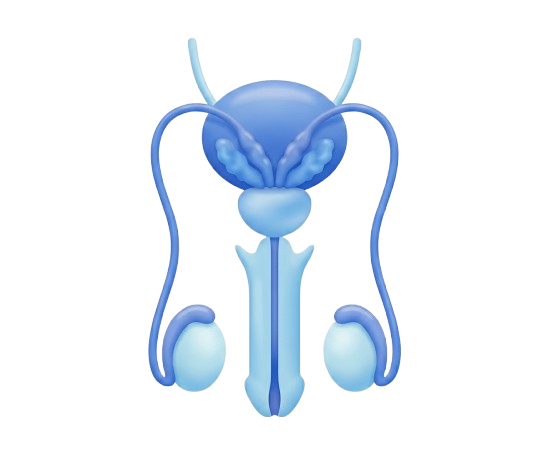
Priapism is a prolonged erection of the penis. The full or partial erection continues hours beyond or isn’t caused by sexual stimulation. The main types of priapism are ischemic and nonischemic. Ischemic priapism is a medical emergency.
Although priapism is an uncommon condition overall, it occurs commonly in certain groups, such as people who have sickle cell disease. Prompt treatment for priapism is usually needed to prevent tissue damage that could result in the inability to get or maintain an erection (erectile dysfunction).
Priapism most commonly affects males in their 30s and older, but can begin in childhood for males with sickle cell disease.
An erection normally occurs in response to physical or psychological stimulation. This stimulation causes certain smooth muscles to relax, increasing blood flow to spongy tissues in the penis. As a result, the blood-filled penis becomes erect. After stimulation ends, the blood flows out and the penis returns to its nonrigid (flaccid) state.
Priapism occurs when some part of this system — the blood, vessels, smooth muscles or nerves — changes normal blood flow, and an erection persists. The underlying cause of priapism often can’t be determined, but several conditions may play a role.
Blood disorders
Blood-related diseases might contribute to priapism — usually ischemic priapism, when blood isn’t able to flow out of the penis. These disorders include:
- Sickle cell disease
- Leukemia
- Other blood diseases (hematologic dyscrasias), such as thalassemia and multiple myeloma
The most common associated diagnosis in children is sickle cell disease.
Prescription medications
Priapism, usually ischemic priapism, is a possible side effect of a number of drugs, including:
- Medications injected directly into the penis to treat erectile dysfunction, such as alprostadil (Caverject, Edex, others), papaverine, phentolamine (Oraverse) and others
- Antidepressants, such as fluoxetine (Prozac), bupropion (Wellbutrin XL, Wellbutrin SR), trazodone and sertraline (Zoloft)
- Alpha blockers including prazosin (Minipress), terazosin, doxazosin (Cardura) and tamsulosin (Flomax)
- Medications used to treat anxiety or psychotic disorders, such as hydroxyzine (Vistaril), risperidone (Risperdal), olanzapine (Zyprexa), lithium (Lithobid), clozapine (Clozaril), chlorpromazine and thioridazine
- Blood thinners, such as warfarin (Jantoven) and heparin
- Hormones such as testosterone or gonadotropin-releasing hormone
- Medications used to treat attention-deficit/hyperactivity disorder (ADHD), such as methylphenidate (Concerta, Ritalin, others) and atomoxetine (Strattera)
Priapism symptoms vary depending on the type of priapism. The two main types of priapism are ischemic priapism and nonischemic priapism.
Ischemic priapism
Ischemic priapism, also called low-flow priapism, is the result of blood not being able to leave the penis. Blood is trapped in the penis because it cannot flow out of the veins of the penis or there is a problem with the contraction of smooth muscles within the erectile tissue of the penis. Ischemic priapism is the more common type of priapism and requires immediate medical care to prevent complications caused by not getting enough oxygen to the penile tissue.
Signs and symptoms include:
- Erection lasting more than four hours or unrelated to sexual interest or stimulation
- Rigid penile shaft, but the tip of penis (glans) is soft
- Progressively worsening penile pain
Stuttering priapism — also called recurrent or intermittent priapism — is a form of ischemic priapism. An uncommon condition, stuttering priapism describes repetitive episodes of prolonged erections and often includes episodes of ischemic priapism. It occurs more often in males who have an inherited disorder characterized by abnormally shaped red blood cells (sickle cell disease). Sickle cells can block the blood vessels in the penis. In some cases, the condition starts off with unwanted and painful erections of short duration and might progress over time to more-frequent and more-prolonged erections. Stuttering priapism may begin in childhood.
Nonischemic priapism
Nonischemic priapism, also known as high-flow priapism, occurs when blood flow through the arteries of the penis isn’t working properly. However, the penile tissues continue to receive some blood flow and oxygen. Nonischemic priapism often occurs due to trauma.
Signs and symptoms include:
- Erection lasting more than four hours or unrelated to sexual interest or stimulation
- Erect but not fully rigid penile shaft
- Usually not painful
Ischemic priapism can cause serious complications. The blood trapped in the penis is deprived of oxygen. When an erection lasts for too long — usually more than four hours — this lack of oxygen can begin to damage or destroy tissues in the penis. Untreated priapism can cause erectile dysfunction.
If you have an erection lasting more than four hours, you need emergency care. The emergency room doctor will determine whether you have ischemic priapism or nonischemic priapism.
If you experience recurrent, persistent, painful erections that resolve on their own, see your doctor. You might need treatment to prevent further episodes.
If you have stuttering priapism, to prevent future episodes your doctor might recommend:
- Treatment for an underlying condition, such as sickle cell disease, that might have caused priapism
- Use of oral or injectable phenylephrine
- Hormone-blocking medications — only for adult men
- Use of oral medications used to manage erectile dysfunction
References
Priapism – mayoclinic.org – https://www.mayoclinic.org/diseases-conditions/priapism/symptoms-causes/syc-20352005?p=1

Ad
Women have unique health issues. And some of the health issues that affect both men and women can affect women differently.
Book your appointment TODAY!
Search on the closest Doctor to your location and book based on specialty. EARN 10 POINTS more with CuraPOINT.
BOOK-
Find a healthcare provider near you
-
Call for support
-
Feel free to message us!
About Us
Curafile is a Medical Cyclopedia, biggest Healthcare Curated Network Globally, serves citizens, service providers in one place.
- Estonia - Qatar
Jordan - Saudi Arabia