

Reproductive Hazards
- Home
- Male Reproductive System
- Reproductive Hazards
Reproductive hazards are substances that affect the reproductive health of men or women. They also include substances that affect the ability of couples to have healthy children. These substances may be chemical, physical, or biological. Some common types include:
- Alcohol
- Chemicals such as pesticides
- Smoking
- Legal and illegal drugs
- Metals such as lead and mercury
- Radiation
- Some viruses
You may be exposed to reproductive hazards through contact with your skin, breathing them in, or swallowing them. This can happen anywhere, but it is more common in the workplace or at home.
-
What are the health effects of
reproductive hazards? -
How can reproductive hazards
affect men? -
How can reproductive hazards
affect women? -
How can reproductive hazards
be avoided?
The possible health effects of reproductive hazards include infertility, miscarriage, birth defects, and developmental disabilities in children. What type of health effects they cause and how serious they are depends on many factors, including:
- What the substance is
- How much of it you are exposed to
- How it enters your body
- How long or how often you are exposed
- How you react to the substance
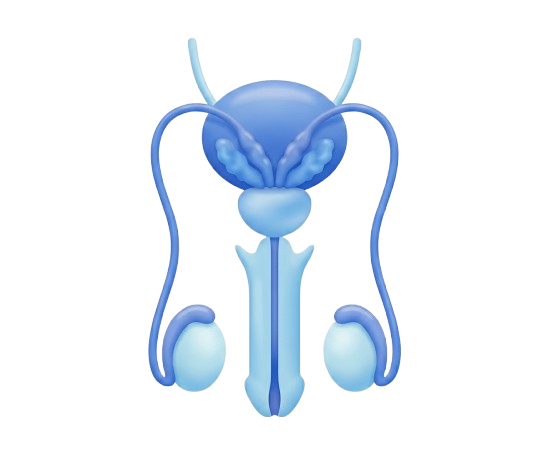
For a man, a reproductive hazard can affect the sperm. A hazard may cause a problem with the number of sperm, their shape, or the way that they swim. It could also damage the sperm’s DNA. Then the sperm may not be able to fertilize an egg. Or it could cause problems with the development of the fetus.
For a woman, a reproductive hazard can disrupt the menstrual cycle. It can cause hormone imbalance, which can raise the risk of diseases such as osteoporosis, heart disease, and certain cancers. It can affect a woman’s ability to get pregnant.
A woman who is exposed during pregnancy can have different effects, depending on when she was exposed. During the first 3 months of pregnancy, it might cause a birth defect or a miscarriage. During the last 6 months of pregnancy, it could slow the growth of the fetus, affect the development of its brain, or cause preterm labor.
To try to avoid reproductive hazards:
- Avoid alcohol and illegal drugs during pregnancy.
- If you smoke, try to quit. And if you are not a smoker, don’t start.
- Take precautions if you are using household chemicals or pesticides.
- Use good hygiene, including handwashing.
- If there are hazards at your job, make sure to follow safe work practices and procedures.
References
medlineplus.gov

Ad
Women have unique health issues. And some of the health issues that affect both men and women can affect women differently.
Book your appointment TODAY!
Search on the closest Doctor to your location and book based on specialty. EARN 10 POINTS more with CuraPOINT.
BOOK-
Find a healthcare provider near you
-
Call for support
-
Feel free to message us!
About Us
Curafile is a Medical Cyclopedia, biggest Healthcare Curated Network Globally, serves citizens, service providers in one place.
- Estonia - Qatar
Jordan - Saudi Arabia