

Borderline Personality Disorder
- Home
- Mental Health
- Borderline Personality Disorder
Borderline personality disorder is a mental health condition that affects the way people feel about themselves and others, making it hard to function in everyday life. It includes a pattern of unstable, intense relationships, as well as impulsiveness and an unhealthy way of seeing themselves. Impulsiveness involves having extreme emotions and acting or doing things without thinking about them first.
People with borderline personality disorder have a strong fear of abandonment or being left alone. Even though they want to have loving and lasting relationships, the fear of being abandoned often leads to mood swings and anger. It also leads to impulsiveness and self-injury that may push others away.
Borderline personality disorder usually begins by early adulthood. The condition is most serious in young adulthood. Mood swings, anger and impulsiveness often get better with age. But the main issues of self-image and fear of being abandoned, as well as relationship issues, go on.
If you have borderline personality disorder, know that many people with this condition get better with treatment. They can learn to live stabler, more-fulfilling lives.
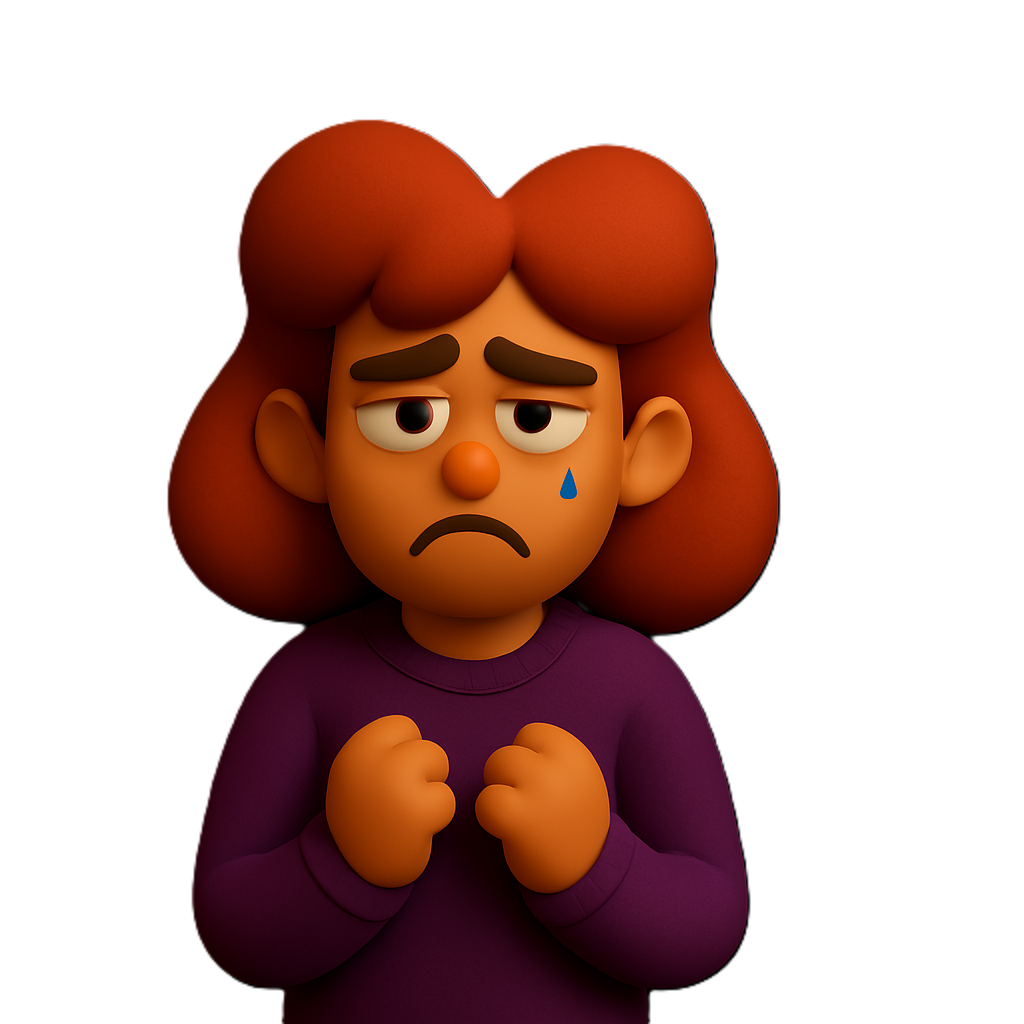
Borderline personality disorder affects how you feel about yourself, relate to others and behave.
Symptoms may include:
- A strong fear of abandonment. This includes going to extreme measures so you’re not separated or rejected, even if these fears are made up.
- A pattern of unstable, intense relationships, such as believing someone is perfect one moment and then suddenly believing the person doesn’t care enough or is cruel.
- Quick changes in how you see yourself. This includes shifting goals and values, as well as seeing yourself as bad or as if you don’t exist.
- Periods of stress-related paranoia and loss of contact with reality. These periods can last from a few minutes to a few hours.
- Impulsive and risky behavior, such as gambling, dangerous driving, unsafe sex, spending sprees, binge eating, drug misuse, or sabotaging success by suddenly quitting a good job or ending a positive relationship.
- Threats of suicide or self-injury, often in response to fears of separation or rejection.
- Wide mood swings that last from a few hours to a few days. These mood swings can include periods of being very happy, irritable or anxious, or feeling shame.
- Ongoing feelings of emptiness.
- Inappropriate, strong anger, such as losing your temper often, being sarcastic or bitter, or physically fighting.
As with other mental health conditions, the causes of borderline personality disorder aren’t fully known. In addition to environmental factors — such as a history of child abuse or neglect — borderline personality disorder may be linked to:
- Genetics. Some studies of twins and families suggest that personality disorders may be inherited or strongly related to other mental health conditions among family members.
- Changes in the brain. Some research has shown that changes in certain areas of the brain affect emotions, impulsiveness and aggression.
If you’re aware that you have any of the symptoms above, talk to your doctor or other regular healthcare professional or see a mental health professional.
Factors related to personality development that can raise the risk of getting borderline personality disorder include:
- Hereditary predisposition. You may be at a higher risk if a blood relative — your mother, father, brother or sister — has the same or a like condition.
- Stressful childhood. Many people with the condition report being sexually or physically abused or neglected during childhood. Some people have lost or were separated from a parent or close caregiver when they were young or had parents or caregivers with substance misuse or other mental health issues. Others have been exposed to hostile conflict and unstable family relationships.
Borderline personality disorder can damage many areas of your life. It can negatively affect close relationships, jobs, school, social activities and how you see yourself.
This can result in:
- Repeated job changes or losses.
- Not finishing an education.
- Multiple legal issues, such as jail time.
- Conflict-filled relationships, marital stress or divorce.
- Injuring yourself, such as by cutting or burning, and frequent stays in the hospital.
- Abusive relationships.
- Unplanned pregnancies, sexually transmitted infections, motor vehicle accidents, and physical fights due to impulsive and risky behavior.
- Attempted suicide or death due to suicide.
Also, you may have other mental health conditions, such as:
- Depression.
- Alcohol or other substance misuse.
- Anxiety disorders.
- Eating disorders.
- Bipolar disorder.
- Post-traumatic stress disorder (PTSD).
- Attention-deficit/hyperactivity disorder (ADHD).
- Other personality disorders.
Personality disorders, including borderline personality disorder, are diagnosed based on a:
- Detailed interview with your doctor or a mental health professional.
- Mental health evaluation that may include completing a series of questions.
- Medical history and exam.
- Discussion of your symptoms.
A diagnosis of borderline personality disorder usually is made in adults — not in children or teenagers. That’s because what may appear to be symptoms of borderline personality disorder in children or teenagers may go away as they get older and mature.
Borderline personality disorder is mainly treated using psychotherapy, which also is known as talk therapy. But medicine may be added. Your doctor also may recommend that you stay in the hospital if your safety is at risk.
Treatment can help you learn skills to manage and cope with your condition. You also should be treated for any other mental health conditions that often occur along with borderline personality disorder, such as depression or substance misuse. With treatment, you can feel better about yourself and have a stabler, more fulfilling life.
Talk therapy
Talk therapy is a basic treatment approach for borderline personality disorder. Your mental health professional may adjust the type of therapy to best meet your needs.
Talk therapy seeks to help you:
- Focus on your ability to function.
- Learn to manage emotions that feel uncomfortable.
- Reduce your impulsiveness by helping you note feelings rather than act on them.
- Work on making relationships better by being aware of your feelings and those of others.
- Learn about borderline personality disorder.
Management of borderline personality disorder mainly focuses on making sense of moments that are emotionally hard by thinking about what happened in your relationships that led to those moments. Good mental health management tends to include a combination of individual therapy, group therapy, family education and medicines for related conditions.
Types of talk therapy that have been found to be effective include:
- Dialectical behavior therapy (DBT). DBT includes group and individual therapy designed to treat borderline personality disorder. DBT uses a skills-based approach to teach you how to manage your emotions, handle distress and understand relationships better.
- Cognitive behavioral therapy (CBT). CBT helps you change your beliefs that come from distorted ways of seeing things. It also can help with relationship issues. The goal is to learn to pinpoint negative thoughts and cope with those thoughts. This treatment can reduce mood swings and make you less anxious. It also can make it less likely that you’ll harm yourself or attempt suicide.
- Schema-focused therapy. Schema-focused therapy focuses on changing negative thought patterns.
- Mentalization-based therapy (MBT). MBT helps you note your thoughts and feelings and see things differently. MBT stresses thinking before reacting.
- Systems Training for Emotional Predictability and Problem-Solving (STEPPS). STEPPS is a 20-week treatment program where you work in groups that include your family members, caregivers, friends or significant others. STEPPS is used in addition to other types of talk therapy.
- Transference-focused psychotherapy (TFP). Also called psychodynamic psychotherapy, TFP aims to help you learn about your emotions and issues relating to others by creating a relationship between you and your therapist. You then apply what you learn to other situations.
Medicines
The Food and Drug Administration hasn’t approved any drugs specifically to treat borderline personality disorder. But some medicines may help with symptoms. And some medicines can help with conditions that occur with borderline personality disorder, such as depression, impulsiveness, aggression or anxiety. Medicines used to treat these conditions may include antidepressants, antipsychotics or mood-stabilizing drugs.
Talk to your doctor or mental health professional about the benefits and side effects of medicines.
Hospitalization
At times, you may need to be treated in a psychiatric hospital or clinic. Staying in the hospital also may keep you safe from harming yourself or help you talk about thoughts or behaviors related to suicide.
Recovery takes time
Learning to manage your emotions, thoughts and behaviors takes time. Most people improve greatly, but some people always struggle with some symptoms of borderline personality disorder. You may have times when your symptoms are better or worse. But treatment can make it easier to function and help you feel better about yourself.
You have the best chance for success when you work with a mental health professional who has experience treating borderline personality disorder.
References
- Personality disorders. In: Diagnostic and Statistical Manual of Mental Disorders DSM-5-TR. 5th ed. American Psychiatric Association; 2022. https://dsm.psychiatryonline.org. Accessed April 28, 2023.
- Borderline personality disorder. National Institute of Mental Health. https://www.nimh.nih.gov/health/topics/borderline-personality-disorder/. Accessed April 28, 2023.
- Skodol A. Borderline personality disorder: Epidemiology, pathogenesis, clinical features, course, assessment and diagnosis. https://www.uptodate.com/contents/search. Accessed April 28, 2023.
- Skodol A. Approach to treating patients with borderline personality disorder. https://www.uptodate.com/contents/search. Accessed April 28, 2023.
- The lifeline and 988. 988 Suicide & Crisis Lifeline. https://988lifeline.org/current-events/the-lifeline-and-988/. Accessed April 28, 2023.
- Borderline personality disorder. National Alliance on Mental Illness. https://www.nami.org/About-Mental-Illness/Mental-Health-Conditions/Borderline-Personality-Disorder. Accessed April 28, 2023.
- Starcevic V, et al. Pharmacotherapy of borderline personality disorder: Replacing confusion with prudent pragmatism. Current Opinion in Psychiatry. 2018; doi:10.1097/YCO.0000000000000373.
- Veterans Crisis Line. U.S. Department of Veteran Affairs. https://www.veteranscrisisline.net/. Accessed April 28, 2023.
- Medical review (expert opinion). Mayo Clinic. June 21, 2023.
- Ekiz E, et al. Systems Training for Emotional Predictability and Problem-Ssolving for borderline personality disorder: A systematic review. Personal Mental Health. 2023; doi:10.1002/pmh.1558.
- Mendez-Miller M, et al. Borderline personality disorder. American Family Physician. 2022. https://www.clinicalkey.com. Accessed April 28, 2023.
- Lebow J. Overview of psychotherapies. https://www.uptodate.com/contents/search. Accessed April 28, 2023.
- Elsevier Point of Care. Borderline personality disorder. https://www.clinicalkey.com. Accessed April 28, 2023.
Related Topics

Other Specialities
Stay away from bad habbits
Mental Health
Mental health includes our emotional, psychological, and social well-being. It affects how we think, feel, and act as we cope with life.
Book your appointment TODAY!
Search on the closest Doctor to your location and book based on specialty. EARN 10 POINTS more with CuraPOINT.
BOOK-
Find a healthcare provider near you
-
Call for support
-
Feel free to message us!
About Us
Curafile is a Medical Cyclopedia, biggest Healthcare Curated Network Globally, serves citizens, service providers in one place.
- Estonia - Qatar
Jordan - Saudi Arabia