

Schizophreniform Disorder
- Home
- Mental Health
- Schizophreniform Disorder
Schizophreniform disorder is a mental health condition that causes symptoms of psychosis, like hallucinations, delusions and disorganized speech. It lasts fewer than six months. Treatment includes medications and talk therapy.
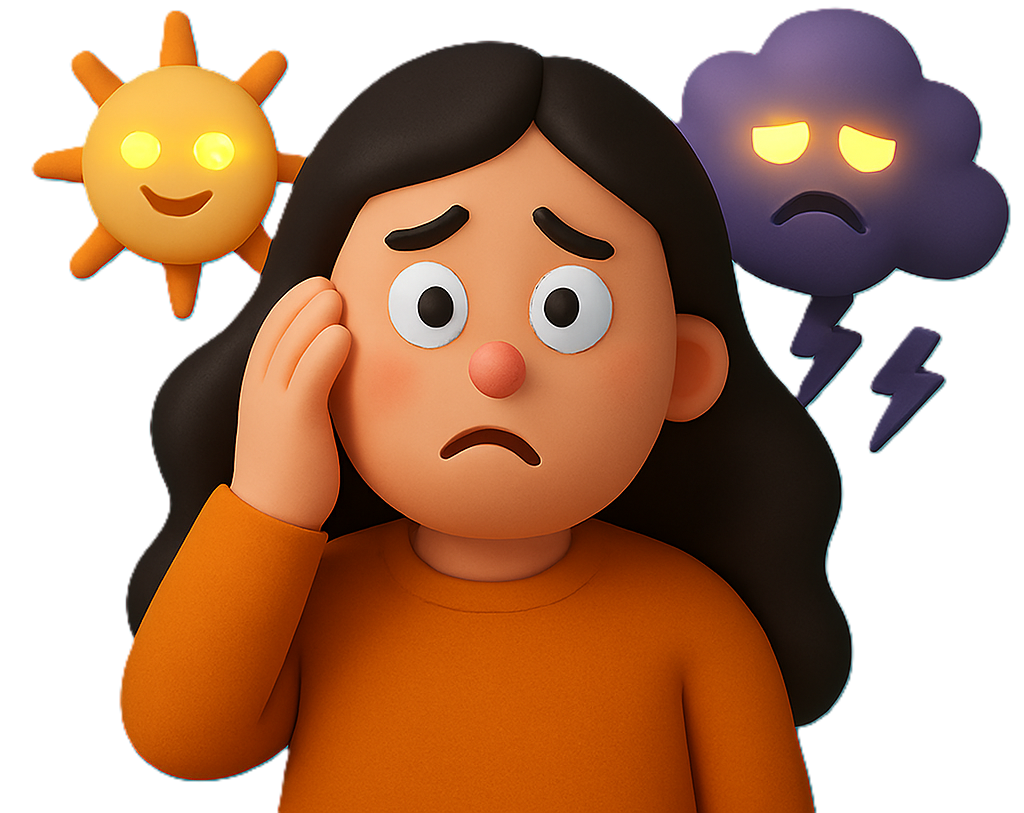
Schizophreniform disorder is a short-term mental health condition that causes psychosis. This involves:
- Hallucinations.
- Delusions (firmly held beliefs in something untrue).
- Disorganized speech.
- Disorganized behavior.
The symptoms of schizophreniform disorder last more than one month but fewer than six months.
What is the difference between schizophrenia and schizophreniform disorder?
Schizophrenia and schizophreniform disorder have very similar symptoms. The difference is how long the symptoms last. Schizophrenia is a chronic (lifelong) condition. Schizophreniform disorder is a short-term condition lasting one to six months.
Symptoms of schizophreniform disorder are similar to those of schizophrenia and include:
- Delusions: These are strongly held false beliefs that aren’t based on reality. You refuse to change your mind even when evidence shows they’re inaccurate.
- Hallucinations: These are false perceptions of objects or events involving your senses: sight, sound, smell, touch and taste.
- Disorganized speech: The content of what you say is disorganized. For example, you may say sentences that are difficult for others to understand, use made-up words or switch quickly from one topic to another. These are changes from how you normally speak.
- Disorganized or unusual movements: You might move differently than people around you expect. For example, you may turn around a lot for no clear reason, or you might not move much at all (catatonia).
Other symptoms of schizophreniform disorder are called “negative symptoms.” They refer to a reduction or loss of your ability to do things as expected, like:
- Limited emotional expression.
- Lack of energy or motivation.
- Poor hygiene and grooming habits.
- Loss of interest or pleasure in life (anhedonia).
- Withdrawing from family, friends and social activities.
If you develop these symptoms or notice them in a loved one, see a healthcare provider or mental health professional right away.
What are the complications of schizophreniform disorder?
The symptoms of schizophreniform disorder can significantly impact your daily life. You may struggle with school or work, relationships and self-care. This may lead to job and/or relationship loss.
People with psychotic disorders, including schizophreniform disorder and schizophrenia, are at an increased risk of substance use and substance use disorder. You may be more likely to use alcohol or other substances to help cope with your symptoms (“self-medication”). If you find yourself in this situation, reach out to a healthcare provider or mental health professional as soon as possible.
People who experience psychosis are also at an increased risk of suicidal ideation or death by suicide.
Researchers don’t know the exact cause of schizophreniform disorder. But they think it may involve several factors, including:
- Genetics: Schizophreniform disorder tends to run in biological families. While having a biological parent with this condition increases your risk of developing it, it doesn’t guarantee you will.
- Brain chemistry: If you have schizophrenia or schizophreniform disorder, you may have an imbalance of certain chemical messengers in your brain called neurotransmitters. An imbalance in these chemicals can interfere with the transmission of messages, leading to symptoms.
- Environmental factors: Evidence suggests that certain factors in the environment might trigger schizophreniform disorder in people who have inherited a tendency to develop the disorder, like a highly stressful event (trauma).
A healthcare provider will do a complete medical history and physical examination. No laboratory tests can diagnose schizophreniform disorder. But your provider might use various diagnostic tests to rule out physical conditions or substances that may be causing your symptoms. These tests may be blood tests or brain imaging tests.
If your provider finds no physical reason for the symptoms, they might refer you to a psychiatrist or psychologist. These are healthcare professionals specially trained to diagnose and treat mental health conditions.
Psychiatrists and psychologists use specially designed interview and assessment tools to evaluate you for a psychotic disorder. The provider bases their diagnosis on your symptoms and their observation of your attitude and behavior.
They diagnose schizophreniform disorder based on the criteria in the American Psychiatric Association’s Diagnostic and Statistical Manual of Mental Disorders (DSM-5). Schizophreniform disorder involves two or more of the following symptoms, each present for a significant portion of time over one month:
- Delusions.
- Hallucinations.
- Disorganized speech.
- Disorganized behavior.
- Negative symptoms.
The goal of treatment for schizophreniform disorder is to protect and stabilize you and relieve your symptoms. Treatment generally consists of medication and psychotherapy (talk therapy). If you have severe symptoms or are at risk of hurting yourself or others, you might need to stay in a hospital until your symptoms improve.
Medication for schizophreniform disorder
Antipsychotic medications are the go-to medications healthcare providers prescribe to treat the symptoms of schizophreniform disorder. Examples include:
- Risperidone (Risperdal®).
- Clozapine.
- Quetiapine.
- Ziprasidone.
- Olanzapine.
- Iloperidone.
- Paliperidone.
- Asenapine.
- Lurasidone.
As your symptoms improve, you’ll continue to work with your provider to manage your medication dosage. Your provider will carefully monitor you for signs of relapse (return of symptoms).
Psychotherapy for schizophreniform disorder
Psychotherapy, also called talk therapy, is a term for various treatment techniques that help you identify and change unhealthy emotions, thoughts and behaviors. Therapy aims to help you learn about schizophreniform disorder, establish goals and manage everyday difficulties related to the condition.
Two main types of therapy for schizophreniform disorder include:
- Cognitive behavioral therapy (CBT): This is a structured, goal-oriented type of psychotherapy. During CBT, a mental health professional helps you closely examine your thoughts and emotions. You’ll come to understand how your thoughts affect your actions. Through CBT, you can unlearn negative thoughts and behaviors and learn to adopt healthier thinking patterns and habits. It also can help you manage the feelings of distress associated with the symptoms and challenge thoughts that might not be based in reality.
- Family therapy: For families participating in therapy due to a mental health condition, psychoeducation is a crucial part of it. Psychoeducation is how mental health professionals teach people and their families about mental health conditions. It involves basic information about the condition, causes, treatment and prognosis (outlook). Family therapy can help families better understand what someone with schizophreniform disorder experiences. They can also learn tools to cope with the condition, help their loved one and detect early signs of relapse.
About 33% of people with schizophreniform disorder recover within six months. If your symptoms continue beyond six months, you most likely have schizophrenia or schizoaffective disorder, which are lifelong conditions. In this case, you’ll need to continue treatment to effectively manage the condition.
There’s no known way to prevent or reduce your risk of schizophreniform disorder. But early diagnosis and treatment can help decrease the disruption to your life.
References
- American Psychiatric Association. What is Schizophrenia? (https://www.psychiatry.org/patients-families/schizophrenia/what-is-schizophrenia) Reviewed 8/2020. Accessed 11/27/2023.
- Hany M, Rehman B, Azhar Y, et al. Schizophrenia (https://www.ncbi.nlm.nih.gov/books/NBK539864/). [Updated 2023 Mar 20]. In: StatPearls [Internet]. Treasure Island (FL): StatPearls Publishing; 2023 Jan-. Accessed 11/27/2023.
- Merck Manual: Professional Version. Schizophreniform Disorder (https://www.merckmanuals.com/professional/psychiatric-disorders/schizophrenia-and-related-disorders/schizophreniform-disorder). Last Modified 9/2022. Schizophreniform Disorder. Accessed 11/27/2023.
- National Health Service (U.K.). Treatment – Psychosis (https://www.nhs.uk/mental-health/conditions/psychosis/treatment/). Last reviewed 12/10/2019. Accessed 11/27/2023.
Related Topics

Other Specialities
Stay away from bad habbits
Mental Health
Mental health includes our emotional, psychological, and social well-being. It affects how we think, feel, and act as we cope with life.
Book your appointment TODAY!
Search on the closest Doctor to your location and book based on specialty. EARN 10 POINTS more with CuraPOINT.
BOOK-
Find a healthcare provider near you
-
Call for support
-
Feel free to message us!
About Us
Curafile is a Medical Cyclopedia, biggest Healthcare Curated Network Globally, serves citizens, service providers in one place.
- Estonia - Qatar
Jordan - Saudi Arabia