

Bipolar I Disorder
- Home
- Mental Health
- Bipolar I Disorder
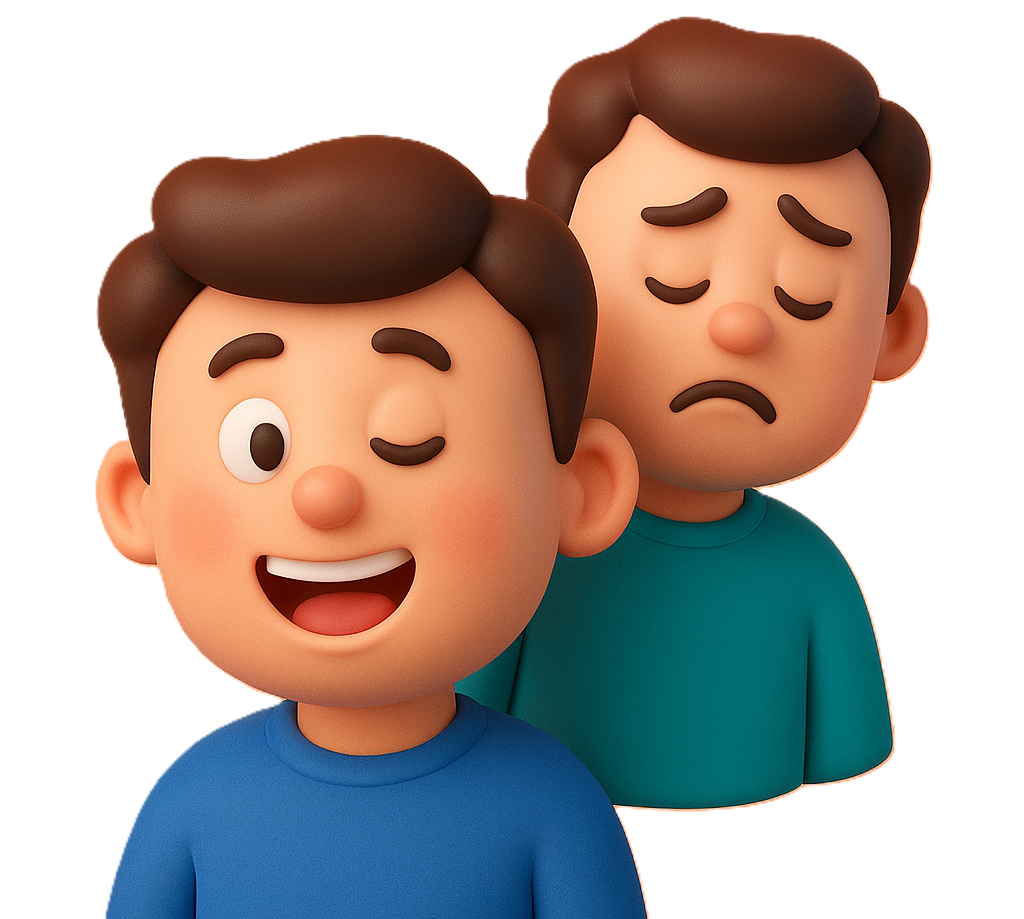
Bipolar I disorder is a mental health condition that causes extreme ups and downs in mood and energy. You might hear it called “manic-depressive disorder” or “manic depression,” which are older terms for it.
If you have bipolar I, you’ve had at least one manic episode that lasted for a week or more. A manic episode is a period of abnormally elevated or irritable mood and high energy, accompanied by abnormal behaviors.
Most people with bipolar I disorder also go through periods ofdepression. You might feel like you’re on an emotional rollercoaster, cycling between the highs of mania and the lows of depression. But it’s also common to have times when your symptoms don’t get in the way of daily life.
How is bipolar I different from other types of bipolar disorder?
There are a few types of bipolar disorder, and each has its own pattern:
Bipolar I disorder. This is the most severe form of bipolar with episodes of mania that can seriously affect your life. You may or may not have depression with this type.
Bipolar II disorder. This is a less severe type. You’ll have periods of hypomania, which is an abnormally elevated mood, but not as elevated as full mania. These periods alternate with depressive episodes.
Cyclothymia. This is the mildest type, causing frequent mood swings over a long-term period, but never full-blown mania or depression.
Researchers don’t know exactly what causes bipolar I disorder, but it’s likely a mix of several things, including:
Brain biology. Studies suggest that the brains of people with bipolar I disorder form and work differently than those without the condition. These differences could affect how your brain processes and manages emotions, stress, or energy levels.
Genetics. There’s no single “bipolar gene.” But you’re more likely to get diagnosed with bipolar disorder if you’re related to someone who has it, particularly a close family member like a parent or sibling.
Environmental factors. Your surroundings and life experiences likely play a role in developing bipolar disorder, but more research is needed to fully understand the connection.
If you have bipolar I disorder, you go through times when your emotions feel way more intense than usual. During mood episodes, you might act in ways that are a lot different from how you normally do – like sleeping a lot less, being super active, or doing risky things without thinking about the effects.
You might not even realize these changes are happening or how they could hurt you or your loved ones. Mood episodes can last most of the day, every day, and sometimes they stick around for several days or even weeks or months.
During a manic episode, symptoms of mania may include:
- Quickly going from one idea to the next
- Fast-talking or loud speech
- Increased energy
- Decreased need for food or sleep
- Very high self-esteem
- Excessive spending
- Wanting to have sex a lot
- Substance misuse
You may also have trouble telling what’s real during a manic episode. This can cause symptoms of psychosis, including delusions or hallucinations such as:
- Thinking people are out to get you
- Hearing voices
- Seeing things that aren’t there
- Thinking you can complete unrealistic goals
- Believing you have a divine purpose in life
Untreated, symptoms of mania can last a few weeks to a few months. Depression may follow shortly after, or not appear for weeks or months – or at all. Not everyone with bipolar I gets depression.
There’s no single test for bipolar I disorder. Doctors diagnose it by talking with you about your moods, energy levels, and behavior patterns. They may ask about both the highs (manic episodes) and lows (depressive episodes) you’ve experienced.
Here are some of the steps your doctor might take:
Give you a physical. Your doctor will want to rule out other causes for your mood symptoms. They may ask about your medical history, give you a physical exam, or run some blood tests.
Take a mental health assessment. Your doctor will ask questions about how you’ve been feeling, thinking, and acting. They’ll want to know exactly how your symptoms impact your daily life. Do you have trouble taking care of yourself? Keeping a job? Maintaining relationships?
Ask you to keep a mood diary. You may be able to better spot mood episodes if you keep track of your energy levels, sleep patterns, or how you’re feeling on a regular basis. Write down anything that seems to trigger symptoms. Bring your notes with you to the doctor so you don’t forget important details.
Talk to friends and family. If it’s OK with you, your doctor might ask close friends or family members – the people who know you best – about your symptoms. This can fill in some of the blanks if you have trouble recognizing mood episodes.
Medication can help treat or prevent manic episodes. Often, you may need a mix of mood stabilizers and antipsychotics. Sometimes, your doctor may prescribe antidepressants or calming medications (called sedative-hypnotics).
Mood stabilizers
These medications help control mania and hypomania. Your doctor might prescribe:
- Carbamazepine (Tegretol, Equetro)
- Divalproex sodium (Depakote)
- Lamotrigine (Lamictal)
- Lithium (Lithobid)
- Valproic acid (Depakene)
Antipsychotics
These medications are used to prevent or treat manic episodes. Some antipsychotics your doctor may prescribe are:
- Aripiprazole (Abilify)
- Asenapine (Saphris)
- Lurasidone (Latuda)
- Olanzapine (Zyprexa)
- Quetiapine (Seroquel)
- Risperidone (Risperdal)
- Ziprasidone (Geodon)
Antidepressants
Your doctor may prescribe an antidepressant to help with depressive symptoms. But antidepressants on their own can trigger manic episodes, so your doctor will only recommend it in addition to a mood stabilizer or antipsychotic.
What are some non-drug treatments for bipolar I disorder?
Medication gives you the best chance of preventing a future episode, but people with bipolar I may also benefit from:
Psychotherapy. Talk therapy used to manage bipolar disorder commonly includes cognitive-behavioral therapy (CBT), interpersonal and social rhythm therapy, and family-focused therapy.
Electroconvulsive therapy (ECT). Electroconvulsive therapy (ECT) is a safe and effective treatment for both manic and depressive symptoms. ECT is often used to treat severe forms of depression or mania in bipolar I disorder that haven’t responded to medication or don’t manage symptoms fast enough.
The causes of bipolar disorder are not well understood. Experts aren’t sure if there’s anything you can do to prevent it. But once you’re diagnosed, there are steps you can take to lower the risk you’ll have future episodes of mania or depression.
A psychologist or social worker can help you identify symptom triggers, such as:
- Missing medication doses
- Getting too little sleep
- Trouble managing stress
- Drug or alcohol misuse
Let your doctor know if you have trouble sticking with your treatment plan. You may have fewer episodes and hospitalizations if you can take your medication exactly as described.
Medication and therapy are key to managing bipolar I, but there are also steps you can take to feel more in control of your life. Use these tips:
Track your moods. Take some time each day to write down how you feel. Over time, you might notice patterns and useful details you can share with your doctor or therapist.
Spot your triggers. Think about things that seem to make your symptoms worse. It could be stress, lack of sleep, or big life changes (good or bad). While you can’t always prevent future episodes, knowing your triggers may help you better manage them.
Know the early signs. Before you have a mood episode, you might notice changes in your sleep, energy, or behavior. You may be able to get support early if you know the warning signals to watch for.
Create a routine. A daily routine might help you feel more stable. Try eating meals, taking your medication, and going to bed around the same time every day. Even small routines, like setting aside time to relax each day, might make a big difference.
Take care of yourself. Make sure you get enough sleep, eat nutritious foods, and exercise regularly. And whether it’s deep-breathing, finding a hobby you enjoy, or practicing mindfulness, do your best to manage stress.
Find support. Create a network of trusted people. This might include friends, family, or even a support group with people who have bipolar disorder. Let your doctor know if you need help finding resources for financial, emotional, or peer support.
Have a crisis plan. A wellness recovery action plan (WRAP) can help you manage future episodes. Include a list of names and phone numbers for your therapist, psychiatrist, friends or family members, and local crisis services. Share your WRAP with loved ones.
If you have a loved one with bipolar I disorder, your support can go a long way. Here’s how you can help:
Educate yourself. Learn all you can about bipolar disorder.
Ask questions. Urge your loved one to talk about what they’re going through.
Encourage healthy habits. Support routines like regular sleep, meals, and exercise.
Watch for changes. Learn the early signs of mood episodes and what to do in a crisis.
Offer practical help. Ask if you can help with things like managing money.
Set boundaries. Take care of yourself. Get professional support when you need it.
Go to doctor visits. This can help your loved one stick with their medical treatment.
Keep the conversation going with your loved one. Listen to what they have to say without judgment. Let them share what they need, and stay open to supporting them in ways that work best for them.
Bipolar I disorder is a condition that causes intense mood swings, including feeling really high or irritable and full of energy. Sometimes, you may feel very low and sad. These changes aren’t your fault, but they can harm you or your relationships. Long-term treatment with therapy and medication can help you manage your symptoms and live a full life.
References
National Institutes of Mental Health: “Bipolar Disorder.”
Cleveland Clinic: “Bipolar Disorder.”
Mayo Clinic: “Bipolar Disorder.”
Therapeutic Advances in Psychopharmacology: “Epidemiology and risk factors for bipolar disorder.”
Medicina: “Environmental Risk Factors for Bipolar Disorders and High-Risk States in Adolescence: A Systematic Review.”
Psychological Medicine: “Genetic contributions to bipolar disorder: current status and future directions.”
Office on Women’s Health: “Bipolar disorder.”
World Journal of Psychiatry: “Psychotic symptoms in bipolar disorder and their impact on the illness: A systematic review.”
Brain Sciences: “Applications of Antipsychotic Drugs in Mood Disorders.”
Mind (UK): “Bipolar disorder.”
Johns Hopkins Medicine: “Bipolar Relationships: What to Expect.”
Frontiers in Psychiatry: “Bipolar disorders and schizophrenia: discrete disorders?”
Current Pharmaceutical Design: “Specificity and Continuity of Schizophrenia and Bipolar Disorder: Relation to Biomarkers.”
Shanghai Archives of Psychiatry: “Analysis of Misdiagnosis of Bipolar Disorder in An Outpatient Setting.”
European Psychiatry: “Bipolar Disorder and Borderline Personality Disorder: A Diagnostic Challenge,” “Does Bipolar Disorder Get Worse at Geriatric Ages?”
Depression and Bipolar Support Alliance: “Bipolar Disorder.”
International Journal of Bipolar Disorders: “Long-term work disability due to type I and II bipolar disorder findings of a six-year prospective study.”
Related Topics

Other Specialities
Stay away from bad habbits
Mental Health
Mental health includes our emotional, psychological, and social well-being. It affects how we think, feel, and act as we cope with life.
Book your appointment TODAY!
Search on the closest Doctor to your location and book based on specialty. EARN 10 POINTS more with CuraPOINT.
BOOK-
Find a healthcare provider near you
-
Call for support
-
Feel free to message us!
About Us
Curafile is a Medical Cyclopedia, biggest Healthcare Curated Network Globally, serves citizens, service providers in one place.
- Estonia - Qatar
Jordan - Saudi Arabia