

Mental Disorders
- Home
- Mental Health
- Mental Disorders
Mental disorders are conditions that affect your thoughts, emotions and behavior. There are more than 200 types, like depression, anxiety and schizophrenia. You may have mood swings, appetite changes, hallucinations or loss of interest. Treatment, like therapy and medications, may help you manage symptoms.
A mental health disorder, also known as a mental illness or psychiatric disorder, is a condition that affects the way you think and behave. It also influences your emotions and how you regulate them. You may feel anxious or empty, have racing thoughts or have trouble eating or sleeping.
There are several different types. They may impact your ability to function at home, work or school.
Mental disorders are common. About in every 8 people around the world lives with one of these disorders.
No matter what you’re feeling, help is available.
There are more than 200 types of mental health disorders. Some of the most common types include:
- Anxiety disorders like post-traumatic stress disorder (PTSD), obsessive-compulsive disorder (OCD), social phobia and generalized anxiety disorders
- Mood disorders like depression and bipolar disorder (manic depression)
- Neurodevelopmental disorders like ADHD and autism
- Disruptive behavior disorders like oppositional defiant disorder and conduct disorder
- Eating disorders like anorexia nervosa, bulimia nervosa and binge eating disorder
- Personality disorders like borderline, antisocial, and narcissistic personality disorder
- Psychotic disorders like schizophrenia
- Substance use disorders, addiction and alcohol use disorder
Mental health conditions can lead to a broad range of symptoms. These vary based on the type, but may include:
- Behavior that seems out of character
- Changes in appetite, sex drive or daily functioning
- Difficulty identifying reality (hallucinations or delusions)
- Excessive worry, fear or unusual thoughts
- Feeling disconnected from yourself or others
- Heightened sensitivity to light, sound or smell
- Loss of interest in usual activities
- Mood swings or exaggerated emotions
- Performance issues at work or school, or relationship challenges
- Self-harm or thoughts of suicide
- Trouble sleeping
Mental disorders in children may affect how they think, feel and behave. You might notice that your child has:
- Difficulty sitting still or paying attention
- Excessive worry or fear, like not wanting to go to bed (nightmares)
- Decreased interest in their favorite activities
- Frequent tantrums, defiance or aggressive behavior
- Problems at school or with friends
A person doesn’t have to have all of these symptoms to receive a diagnosis. But, experiencing a few may be a sign to talk to a healthcare provider.
Many factors may contribute to the development of a psychiatric disorder. These could include:
- Genetics: You may inherit genes that increase your risk of certain mental health conditions. However, having these genes doesn’t guarantee you’ll develop the disorder.
- Brain chemistry and function: Your brain uses chemicals called neurotransmitters to help control your mood and behavior. Disruptions in how these chemicals work may lead to mental disorders.
- Life experiences and environment: Stressful experiences, especially early in life, may increase your risk. Also, factors like substance use, availability of social support and chronic medical conditions may play a role.
Anyone can develop a mental disorder. Your risk increases if you:
- Experienced abuse or trauma
- Experienced significant stress, like the loss of a loved one
- Feel isolated or lonely
- Had a traumatic brain injury
- Had exposure to viruses, toxic chemicals or substances (like alcohol) before birth
- Have a biological family history of the condition
- Have a chemical imbalance in your brain
- Have a chronic or serious medical condition (like pain or cancer)
- Use addictive substances
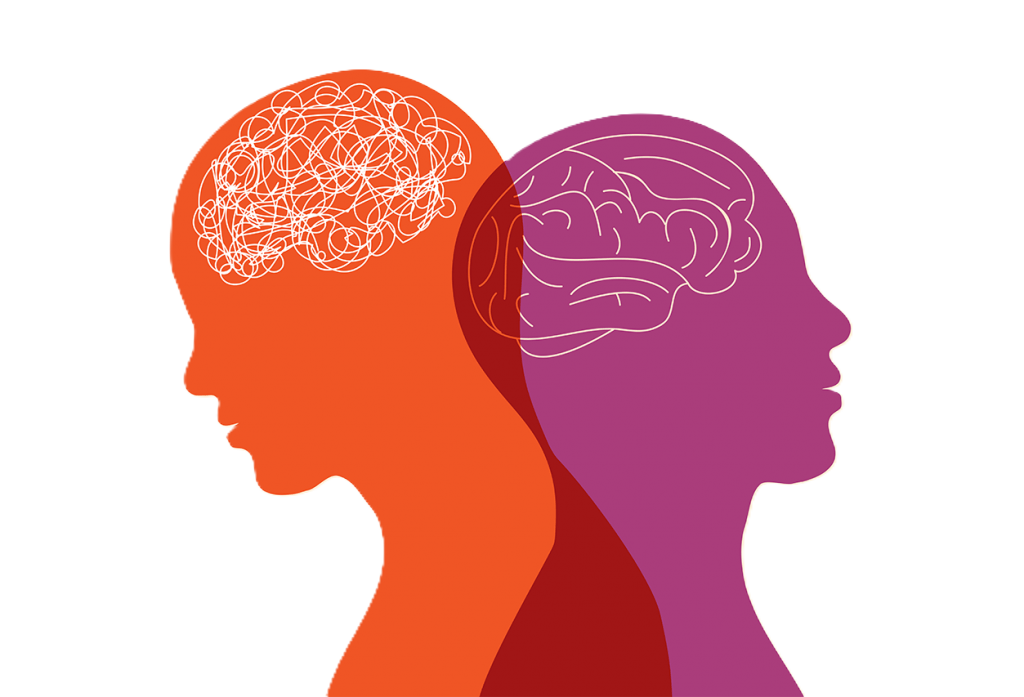
Mental health disorders prevent you from feeling like yourself. These disorders may make you think about hurting yourself or others. You may also have thoughts about suicide.
If you’re ever in a difficult situation where these thoughts are flooding your mind, don’t hesitate to reach out for help. Call or text 988 (U.S.). This is the Suicide & Crisis Lifeline. Someone is available to speak with you 24/7. You don’t have to be in a crisis to talk.
To diagnose a mental health condition, your provider will start with a physical exam and a review of your medical history. They’ll also do a psychological evaluation. A psychologist will ask you questions about your thoughts, feelings and behaviors to better understand your symptoms.
Be sure to tell your provider:
- If there are any specific triggers that make your symptoms worse
- If your symptoms are chronic (ongoing) or if they come and go
- When you first noticed changes in your mental health
It can be difficult to be open and honest with a provider. You may feel vulnerable sharing your personal feelings with someone else. This is normal. But understand that your provider wants to help you feel better. They won’t judge you for feeling the way that you do. Your honesty helps them make an accurate diagnosis and offer the best care possible.
There aren’t any medical tests that can diagnose mental disorders. But your provider may perform tests, like blood work or imaging tests, to rule out other conditions that may cause similar symptoms.
Treatments for mental disorders may include:
- Psychotherapy: Talking to a mental health professional may help you better understand and manage your thoughts and behaviors. It may happen in an individual or group setting.
- Medications: Psychiatric medications — like antidepressants, antipsychotics or mood stabilizers — may help balance brain chemicals to ease symptoms.
- Supportive services: Programs that offer education, social support and care coordination can help you manage your condition and adapt as your needs change.
- Alternate therapies: Yoga, meditation or acupuncture may offer additional support alongside your regular treatment plan.
- Brain stimulation: For some disorders, advanced therapies that target brain activity may help when other treatments aren’t effective. Examples include electroconvulsive therapy (ECT), vagus nerve stimulation (VNS) and transcranial magnetic stimulation (TMS)
If you’re in crisis or your safety is at risk, you may need care in a hospital or outpatient treatment center. These programs provide immediate support. Your care team may also coordinate follow-up treatment to ensure continued progress after you leave.
Treatment may help you feel better and make it easier to get through your day. It often takes time, and you may not feel better right away. But progress is possible. Your care team will work with you to create a personalized treatment plan based on your goals. You’ll be able to set your own pace and adjust your goals as your needs change.
Some conditions may improve over time, but others require long-term management. A healthcare provider can guide you through that process and help you adapt your treatment as needed.
References
- American Psychiatric Association. Warning Signs of Mental Illness (https://www.psychiatry.org/patients-families/warning-signs-of-mental-illness). Last reviewed 2022. Accessed 5/12/2025.
- Centers for Disease Control and Prevention (U.S.). About Mental Health (https://www.cdc.gov/mental-health/about/index.html). Last updated 4/8/2024. Accessed 5/12/2025.
- National Alliance on Mental Illness (U.S.). About Mental Illness (https://www.nami.org/about-mental-illness/). Last updated 5/28/2024. Accessed 5/12/2025.
- National Library of Medicine (U.S.). Mental Disorders (https://medlineplus.gov/mentaldisorders.html). Last updated 4/11/2024. Accessed 5/12/2025.
- World Health Organization. Mental disorders (https://www.who.int/news-room/fact-sheets/detail/mental-disorders). Last updated 6/8/2022. Accessed 5/12/2025.
Related Topics

Other Specialities
Stay away from bad habbits
Women Health
Women have unique health issues. And some of the health issues that affect both men and women can affect women differently.
Book your appointment TODAY!
Search on the closest Doctor to your location and book based on specialty. EARN 10 POINTS more with CuraPOINT.
BOOK-
Find a healthcare provider near you
-
Call for support
-
Feel free to message us!
About Us
Curafile is a Medical Cyclopedia, biggest Healthcare Curated Network Globally, serves citizens, service providers in one place.
- Estonia - Qatar
Jordan - Saudi Arabia