

Panic Disorder
- Home
- Mental Health
- Panic Disorder
A panic attack is a sudden episode of intense fear that triggers severe physical reactions when there is no real danger or apparent cause. Panic attacks can be very frightening. When panic attacks occur, you might think you’re losing control, having a heart attack or even dying.
Many people have just one or two panic attacks in their lifetimes, and the problem goes away, perhaps when a stressful situation ends. But if you’ve had recurrent, unexpected panic attacks and spent long periods in constant fear of another attack, you may have a condition called panic disorder.
Although panic attacks themselves aren’t life-threatening, they can be frightening and significantly affect your quality of life. But treatment can be very effective.
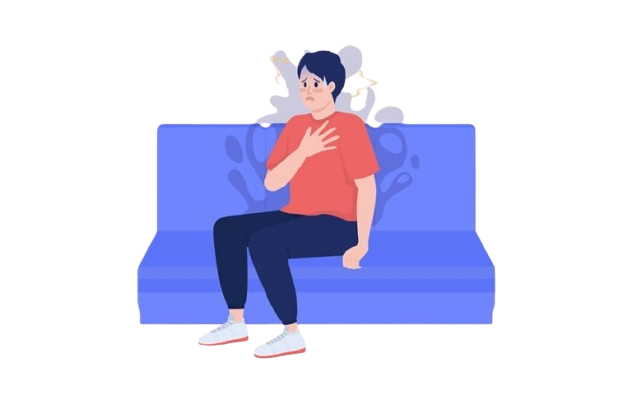
Panic attacks typically begin suddenly, without warning. They can strike at any time — when you’re driving a car, at the mall, sound asleep or in the middle of a business meeting. You may have occasional panic attacks, or they may occur frequently.
Panic attacks have many variations, but symptoms usually peak within minutes. You may feel fatigued and worn out after a panic attack subsides.
Panic attacks typically include some of these signs or symptoms:
- Sense of impending doom or danger
- Fear of loss of control or death
- Rapid, pounding heart rate
- Sweating
- Trembling or shaking
- Shortness of breath or tightness in your throat
- Chills
- Hot flashes
- Nausea
- Abdominal cramping
- Chest pain
- Headache
- Dizziness, lightheadedness or faintness
- Numbness or tingling sensation
- Feeling of unreality or detachment
One of the worst things about panic attacks is the intense fear that you’ll have another one. You may fear having panic attacks so much that you avoid certain situations where they may occur.
It’s not known what causes panic attacks or panic disorder, but these factors may play a role:
- Genetics
- Major stress
- Temperament that is more sensitive to stress or prone to negative emotions
- Certain changes in the way parts of your brain function
Panic attacks may come on suddenly and without warning at first, but over time, they’re usually triggered by certain situations.
Some research suggests that your body’s natural fight-or-flight response to danger is involved in panic attacks. For example, if a grizzly bear came after you, your body would react instinctively. Your heart rate and breathing would speed up as your body prepared for a life-threatening situation. Many of the same reactions occur in a panic attack. But it’s unknown why a panic attack occurs when there’s no obvious danger present.
If you have panic attack symptoms, seek medical help as soon as possible. Panic attacks, while intensely uncomfortable, are not dangerous. But panic attacks are hard to manage on your own, and they may get worse without treatment.
Panic attack symptoms can also resemble symptoms of other serious health problems, such as a heart attack, so it’s important to get evaluated by your primary care provider if you aren’t sure what’s causing your symptoms.
Symptoms of panic disorder often start in the late teens or early adulthood and affect more women than men.
Factors that may increase the risk of developing panic attacks or panic disorder include:
- Family history of panic attacks or panic disorder
- Major life stress, such as the death or serious illness of a loved one
- A traumatic event, such as sexual assault or a serious accident
- Major changes in your life, such as a divorce or the addition of a baby
- Smoking or excessive caffeine intake
- History of childhood physical or sexual abuse
Left untreated, panic attacks and panic disorder can affect almost every area of your life. You may be so afraid of having more panic attacks that you live in a constant state of fear, ruining your quality of life.
Complications that panic attacks may cause or be linked to include:
- Development of specific phobias, such as fear of driving or leaving your home
- Frequent medical care for health concerns and other medical conditions
- Avoidance of social situations
- Problems at work or school
- Depression, anxiety disorders and other psychiatric disorders
- Increased risk of suicide or suicidal thoughts
- Alcohol or other substance misuse
- Financial problems
For some people, panic disorder may include agoraphobia — avoiding places or situations that cause you anxiety because you fear being unable to escape or get help if you have a panic attack. Or you may become reliant on others to be with you in order to leave your home.
There’s no sure way to prevent panic attacks or panic disorder. However, these recommendations may help.
- Get treatment for panic attacks as soon as possible to help stop them from getting worse or becoming more frequent.
- Stick with your treatment plan to help prevent relapses or worsening of panic attack symptoms.
- Get regular physical activity, which may play a role in protecting against anxiety.
Your primary care provider will determine if you have panic attacks, panic disorder or another condition, such as heart or thyroid problems, with symptoms that resemble panic attacks.
To help pinpoint a diagnosis, you may have:
- A complete physical exam
- Blood tests to check your thyroid and other possible conditions and tests on your heart, such as an electrocardiogram (ECG or EKG)
- A psychological evaluation to talk about your symptoms, fears or concerns, stressful situations, relationship problems, situations you may be avoiding, and family history
You may fill out a psychological self-assessment or questionnaire. You also may be asked about alcohol or other substance use.
Criteria for diagnosis of panic disorder
Not everyone who has panic attacks has panic disorder. For a diagnosis of panic disorder, the Diagnostic and Statistical Manual of Mental Disorders (DSM-5), published by the American Psychiatric Association, lists these points:
- You have frequent, unexpected panic attacks.
- At least one of your attacks has been followed by one month or more of ongoing worry about having another attack; continued fear of the consequences of an attack, such as losing control, having a heart attack or “going crazy”; or significant changes in your behavior, such as avoiding situations that you think may trigger a panic attack.
- Your panic attacks aren’t caused by drugs or other substance use, a medical condition, or another mental health condition, such as social phobia or obsessive-compulsive disorder.
If you have panic attacks but not a diagnosed panic disorder, you can still benefit from treatment. If panic attacks aren’t treated, they can get worse and develop into panic disorder or phobias.
Treatment can help reduce the intensity and frequency of your panic attacks and improve your function in daily life. The main treatment options are psychotherapy and medications. One or both types of treatment may be recommended, depending on your preference, your history, the severity of your panic disorder and whether you have access to therapists who have special training in treating panic disorders.
Psychotherapy
Psychotherapy, also called talk therapy, is considered an effective first choice treatment for panic attacks and panic disorder. Psychotherapy can help you understand panic attacks and panic disorder and learn how to cope with them.
A form of psychotherapy called cognitive behavioral therapy can help you learn, through your own experience, that panic symptoms are not dangerous. Your therapist will help you gradually re-create the symptoms of a panic attack in a safe, repetitive manner. Once the physical sensations of panic no longer feel threatening, the attacks begin to resolve. Successful treatment can also help you overcome fears of situations that you’ve avoided because of panic attacks.
Seeing results from treatment can take time and effort. You may start to see panic attack symptoms reduce within several weeks, and often symptoms decrease significantly or go away within several months. You may schedule occasional maintenance visits to help ensure that your panic attacks remain under control or to treat recurrences.
Medications
Medications can help reduce symptoms associated with panic attacks as well as depression if that’s an issue for you. Several types of medication have been shown to be effective in managing symptoms of panic attacks, including:
- Selective serotonin reuptake inhibitors (SSRIs). Generally safe with a low risk of serious side effects, SSRI antidepressants are typically recommended as the first choice of medications to treat panic attacks. SSRIs approved by the Food and Drug Administration (FDA) for the treatment of panic disorder include fluoxetine (Prozac), paroxetine (Paxil, Pexeva) and sertraline (Zoloft).
- Serotonin and norepinephrine reuptake inhibitors (SNRIs). These medications are another class of antidepressants. The SNRI venlafaxine (Effexor XR) is FDA approved for the treatment of panic disorder.
- Benzodiazepines. These sedatives are central nervous system depressants. Benzodiazepines approved by the FDA for the treatment of panic disorder include alprazolam (Xanax) and clonazepam (Klonopin). Benzodiazepines are generally used only on a short-term basis because they can be habit-forming, causing mental or physical dependence. These medications are not a good choice if you’ve had problems with alcohol or drug use. They can also interact with other drugs, causing dangerous side effects.
If one medication doesn’t work well for you, your doctor may recommend switching to another or combining certain medications to boost effectiveness. Keep in mind that it can take several weeks after first starting a medication to notice an improvement in symptoms.
All medications have a risk of side effects, and some may not be recommended in certain situations, such as pregnancy. Talk with your doctor about possible side effects and risks.
References
- Panic disorder. In: Diagnostic and Statistical Manual of Mental Disorders DSM-5. 5th ed. Arlington, Va.: American Psychiatric Association; 2013. http://dsm.psychiatryonline.org. Accessed April 12, 2018.
- Roy-Byne PP. Panic disorder: Epidemiology, pathogenesis, clinical manifestations, course, assessment, and diagnosis. https://www.uptodate.com/contents/search. Accessed March 16, 2018.
- Panic disorder: When fear overwhelms. National Institute of Mental Health. http://www.nimh.nih.gov/health/publications/panic-disorder-when-fear-overwhelms/index.shtml. Accessed March 16, 2018.
- Answers to your questions about panic disorder. American Psychological Association. http://www.apa.org/topics/anxiety/panic-disorder.aspx. Accessed April 12, 2018.
- Craske M. Psychotherapy for panic disorder with or without agoraphobia in adults. https://www.uptodate.com/contents/search. Accessed March 16, 2018.
- Inositol. Natural Medicines. https://naturalmedicines.therapeuticresearch.com. Accessed March 16, 2018.
- Gaudlitz K, et al. Aerobic exercise training facilitates the effectiveness of cognitive behavioral therapy in panic disorder. Depression and Anxiety. 2015;32:221.
- Vorkapic CF, et al. Reducing the symptomatology of panic disorder: The effects of a yoga program alone and in combination with cognitive-behavioral therapy. Frontiers in Psychiatry. 2014;5:1.
- Roy-Byrne PP. Pharmacotherapy for panic disorder with or without agoraphobia in adults. https://www.uptodate.com/contents/search. Accessed March 16, 2018.
- Alprazolam, clonazepam, venlafaxine hydrochloride, fluoxetine hydrochloride, sertraline hydrochloride, paroxetine hydrochloride, paroxetine mesylate. Micromedex 2.0 Healthcare Series. http://www.micromedexsolutions.com. Accessed March 16, 2018.
- Roy-Byne PP, et al. Approach to treating panic disorder with or without agoraphobia in adults. https://www.uptodate.com/contents/search. Accessed March 16, 2018.
- Using dietary supplements wisely. National Center for Complementary and Integrative Health. https://nccih.nih.gov/health/supplements/wiseuse.htm. Accessed March 19, 2018.
- Medical review (expert opinion). Mayo Clinic, Rochester, Minn. April 6, 2018.
Related Topics

Other Specialities
Stay away from bad habbits
Mental Health
Mental health includes our emotional, psychological, and social well-being. It affects how we think, feel, and act as we cope with life.
Book your appointment TODAY!
Search on the closest Doctor to your location and book based on specialty. EARN 10 POINTS more with CuraPOINT.
BOOK-
Find a healthcare provider near you
-
Call for support
-
Feel free to message us!
About Us
Curafile is a Medical Cyclopedia, biggest Healthcare Curated Network Globally, serves citizens, service providers in one place.
- Estonia - Qatar
Jordan - Saudi Arabia