

Schizoaffective Disorder
- Home
- Mental Health
- Schizoaffective Disorder
Schizoaffective disorder is a mental health condition with symptoms of schizophrenia and a mood disorder. People with schizoaffective disorder may experience depression, mania and psychosis. Schizoaffective disorder treatment often includes therapy and medications. This combination can improve symptoms and quality of life.
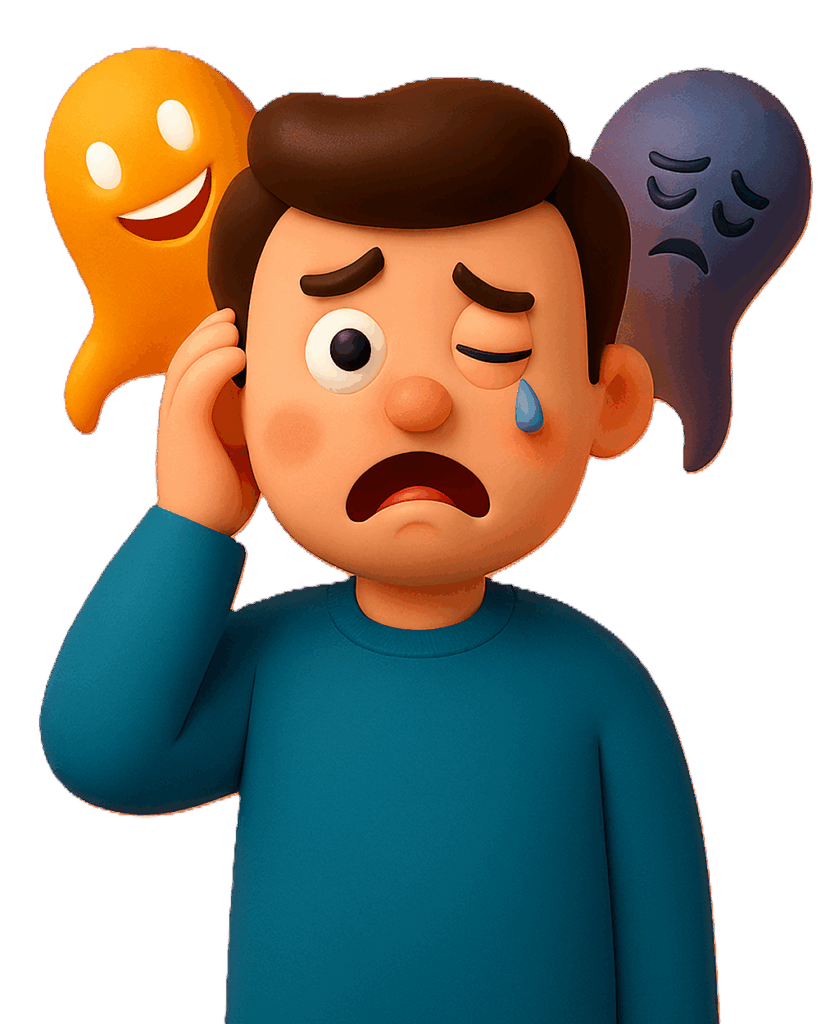
Schizoaffective disorder is a mental health condition that includes symptoms of both schizophrenia and mood disorders. Schizophrenia affects the way you think, act, perceive reality and express emotions. Mood disorders change your feelings, energy levels and behaviors.
There’s no cure for schizoaffective disorder, but treatment can help manage your symptoms and improve your quality of life.
What are the types of schizoaffective disorder?
There are two types of schizoaffective disorder, and they’re based on what mood disorder symptoms you experience:
- Bipolar type: You have several days of extreme highs (mania), and you can have severe lows (depression). You may have an episode of increased energy with irritability followed by a period of low energy with sadness.
- Depressive type: You only experience lows (depression). Your mood is depressed, and you may have a hard time completing your daily routine. You may experience feelings of hopelessness.
How common is schizoaffective disorder?
Schizoaffective disorder is rare. One study in Finland estimated that 3 in every 1,000 people (0.3%) will develop schizoaffective disorder in their lifetime. It’s difficult to know exactly how many people have this condition because it’s challenging to diagnose. The symptoms of schizoaffective disorder overlap with other mental health conditions. A misdiagnosis is possible but less likely.
The symptoms of schizoaffective disorder symptoms fall into the following categories:
- Psychosis (similar to schizophrenia): Symptoms that affect your perception of reality, your thoughts and behaviors.
- Mood (similar to bipolar disorder of major depression): Symptoms that affect your emotions and how you feel.
These symptoms vary from person to person and range from mild to severe. Symptoms usually begin in your late teens or early adulthood. It rarely begins in childhood or in adults over age 50.
Common psychosis symptoms of schizoaffective disorder include:
- Hallucinations.
- Delusions.
- Disorganized thoughts and speech.
- Abnormal or unexpected behaviors.
- Little to no emotional expression or ability to feel pleasure.
Common mood symptoms include:
- Mania: Several days of feeling very energetic with racing thoughts, a desire to participate in unsafe behaviors, agitation, excessive talkativeness, feeling on top of the world, distractibility and little desire or need for sleep.
- Depression: A period of sadness that may be accompanied by feelings of worthlessness, fatigue, irritability, insomnia or excessive sleep, low energy, difficulty finding pleasure in things you enjoy and trouble concentrating.
We’re not sure of the exact cause of schizoaffective disorder. Researchers believe several factors may contribute to a diagnosis:
- Genetics: A genetic change (variant) among several different genes may increase your risk of developing schizoaffective disorder. The exact genes responsible are unknown, but studies are ongoing to learn more about how genetics might influence this condition.
- Brain chemicals: Chemicals in your brain called neurotransmitters help nerve cells in your brain communicate. Studies suggest that abnormalities of certain types of neurotransmitters, like dopamine, norepinephrine and serotonin, may affect how your cells communicate, which can lead to symptoms.
- Brain structure: Abnormalities in the size and structure of certain parts of your brain, like the hippocampus, thalamus and white matter, may contribute to symptoms.
Anyone can develop schizoaffective disorder. You may be more at risk of developing this condition if you:
- Are female.
- Have a biological first-degree relative with this condition (a parent or sibling).
- Have a biological relative with another mental health condition.
You may be more at risk of triggering schizoaffective disorder symptoms if you:
- Experience extreme stress or emotional trauma.
- Use nonprescribed medications, substances or drugs.
Complications of schizoaffective disorder can be life-threatening and include:
- Putting yourself in danger or at-risk situations.
- Suicide.
- Substance use disorder.
- Other mental health conditions like anxiety or depression.
In addition, you may have trouble with the following if you have schizoaffective disorder:
- Keeping up with your daily routine.
- Maintaining proper hygiene.
- Meeting social, work, academic or financial expectations.
Schizoaffective disorder is challenging to diagnose, as symptoms closely resemble other mental health conditions.
The first step in making a diagnosis is speaking up. If you’re concerned about a friend or loved one who shows symptoms of schizophrenia and a mood disorder, have a conversation with that person. It can be difficult for someone who experiences a mental health condition to reach out for help on their own or know that they need help. Calmly share your concerns and offer support. It helps to surround yourself with people you know and trust so you can get the care you need.
A healthcare provider who specializes in mental health conditions like a psychologist or a psychiatrist will diagnose schizoaffective disorder.
Treatment for schizoaffective disorder involves the combination of:
- Medications.
- Psychotherapy.
What medications treat schizoaffective disorder?
Your provider will determine the right medicine for you based on the type of schizoaffective disorder you have. Three common medication types include:
- Antipsychotics: This is the primary type of medicine used to treat the symptoms that resemble schizophrenia — for example, delusions, hallucinations and disordered thinking.
- Mood stabilizers: This is the primary type of medicine used to treat and prevent mania. Lithium and valproate are examples of mood stabilizers.
- Antidepressants: This is the primary type of medicine used to treat and prevent depression. Fluoxetine and sertraline are examples of antidepressants.
Your provider may prescribe more than one type of medication to treat your condition as best as possible.
How does psychotherapy treat schizoaffective disorder?
Psychotherapy is a form of talk therapy. During therapy, you’ll talk to a trained mental health professional. The goal of psychotherapy is to:
- Learn about the condition.
- Establish personal goals.
- Manage everyday challenges related to the condition.
Family therapy is another form of psychotherapy. A therapist can help families learn how to support their loved one in addition to how the loved one can contribute to improving their mental health.
How does skills training help a person with schizoaffective disorder?
Skills training is a type of counseling that helps you take care of yourself. It often focuses on:
- Day-to-day activities, such as financial and home management.
- Grooming and hygiene.
- Social skills.
- Work or school responsibilities.
Many people find skills training a valuable addition to their treatment plan for schizoaffective disorder.
Does schizoaffective disorder treatment require a hospital stay?
Not always. Every situation is different. You may participate in outpatient treatment where you go to a clinic or hospital for treatment during the day and then return home in the evening. If you experience severe symptoms that put you at risk of harming yourself or others, a hospital stay may be necessary to help you feel better.
How soon after treatment will I feel better?
With continued treatment of both medications and psychotherapy, your symptoms may go into remission. This is a period of time when you don’t have symptoms, but this doesn’t happen overnight. It can take several months to years before symptoms stabilize. Not everyone diagnosed with schizoaffective disorder goes into remission. Medication is usually continued even when symptoms go into remission.
There’s no cure for schizoaffective disorder. Each person’s experience with the condition is different. Your healthcare provider can give you the best information about your outlook specifically.
Many people see positive outcomes if the condition receives an early diagnosis and treatment when symptoms first happen. Prompt treatment helps you avoid or reduce frequent relapses and hospitalizations.
This lifelong illness can affect all areas of your life. You may find it difficult to participate at work or school. It also affects your relationships with family, friends and loved ones. Treatment can help you get back on your feet and into a place of stability.
There’s no known way to prevent schizoaffective disorder. You may be able to prevent worsening symptoms or symptom triggers by reducing your stress and continuing treatment as your healthcare provider recommends.
References
- Medscape. Schizoaffective Disorder (https://emedicine.medscape.com/article/294763-overview). Last updated 11/18/2021. Accessed 10/3/2023.
- Merck Manuals. Schizoaffective Disorder (https://www.msdmanuals.com/home/mental-health-disorders/schizophrenia-and-related-disorders/schizoaffective-disorder). Last updated 9/2022. Accessed 10/3/2023.
- National Alliance on Mental Illness. Schizoaffective Disorder (https://www.nami.org/About-Mental-Illness/Mental-Health-Conditions/Schizoaffective-Disorder). Accessed 10/3/2023.
- National Library of Medicine (U.S.). Schizoaffective Disorder (https://medlineplus.gov/genetics/condition/schizoaffective-disorder/#inheritance). Last updated 2/1/2018. Accessed 10/3/2023.
- Wy TJP, Saadabadi A. Schizoaffective Disorder (https://www.ncbi.nlm.nih.gov/books/NBK541012/). [Updated 2023 Mar 27]. In: StatPearls [Internet]. Treasure Island (FL): StatPearls Publishing; 2023 Jan-. Accessed 10/3/2023.
- Medscape. Schizoaffective Disorder (https://emedicine.medscape.com/article/294763-overview). Last updated 11/18/2021. Accessed 10/3/2023.
- Merck Manuals. Schizoaffective Disorder (https://www.msdmanuals.com/home/mental-health-disorders/schizophrenia-and-related-disorders/schizoaffective-disorder). Last updated 9/2022. Accessed 10/3/2023.
- National Alliance on Mental Illness. Schizoaffective Disorder (https://www.nami.org/About-Mental-Illness/Mental-Health-Conditions/Schizoaffective-Disorder). Accessed 10/3/2023.
- National Library of Medicine (U.S.). Schizoaffective Disorder (https://medlineplus.gov/genetics/condition/schizoaffective-disorder/#inheritance). Last updated 2/1/2018. Accessed 10/3/2023.
- Wy TJP, Saadabadi A. Schizoaffective Disorder (https://www.ncbi.nlm.nih.gov/books/NBK541012/). [Updated 2023 Mar 27]. In: StatPearls [Internet]. Treasure Island (FL): StatPearls Publishing; 2023 Jan-. Accessed 10/3/2023.
Related Topics

Other Specialities
Stay away from bad habbits
Mental Health
Mental health includes our emotional, psychological, and social well-being. It affects how we think, feel, and act as we cope with life.
Book your appointment TODAY!
Search on the closest Doctor to your location and book based on specialty. EARN 10 POINTS more with CuraPOINT.
BOOK-
Find a healthcare provider near you
-
Call for support
-
Feel free to message us!
About Us
Curafile is a Medical Cyclopedia, biggest Healthcare Curated Network Globally, serves citizens, service providers in one place.
- Estonia - Qatar
Jordan - Saudi Arabia