

Schizophrenia
- Home
- Mental Health
- Schizophrenia
Schizophrenia is a serious mental health condition that affects how people think, feel and behave. It may result in a mix of hallucinations, delusions, and disorganized thinking and behavior. Hallucinations involve seeing things or hearing voices that aren’t observed by others. Delusions involve firm beliefs about things that are not true. People with schizophrenia can seem to lose touch with reality, which can make daily living very hard.
People with schizophrenia need lifelong treatment. This includes medicine, talk therapy and help in learning how to manage daily life activities.
Because many people with schizophrenia don’t know they have a mental health condition and may not believe they need treatment, many research studies have examined the results of untreated psychosis. People who have psychosis that is not treated often have more-severe symptoms, more stays in a hospital, poorer thinking and processing skills and social outcomes, injuries, and even death. On the other hand, early treatment often helps control symptoms before serious complications arise, making the long-term outlook better.
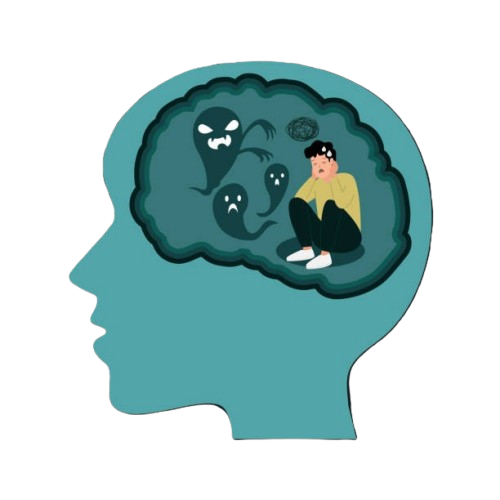
Schizophrenia involves a range of problems in how people think, feel and behave. Symptoms may include:
- Delusions. This is when people believe in things that aren’t real or true. For example, people with schizophrenia could think that they’re being harmed or harassed when they aren’t. They could think that they’re the target for certain gestures or comments when they aren’t. They may think they’re very famous or have great ability when that’s not the case. Or they could feel that a major disaster is about to occur when that’s not true. Most people with schizophrenia have delusions.
- Hallucinations. These usually involve seeing or hearing things that other people don’t observe. For people with schizophrenia, these things seem real. Hallucinations can occur with any of the senses, but hearing voices is most common.
- Disorganized speech and thinking. Disorganized speech causes disorganized thinking. It can be hard for people with schizophrenia to talk with other people. The answers people with schizophrenia give to questions may not be related to what’s being asked. Or questions may not be answered fully. Rarely, speech may include putting together unrelated words in a way that can’t be understood. Sometimes this is called word salad.
- Extremely disorganized or unusual motor behavior. This may show in several ways, from childlike silliness to being agitated for no reason. Behavior isn’t focused on a goal, so it’s hard to do tasks. People with schizophrenia may not want to follow instructions. They may move in ways that are not typical or not appropriate to the social setting. Or they may not move much or respond at all.
- Negative symptoms. People with schizophrenia may not be able to function in the way they could before their illness started. For example, they may not bathe, make eye contact or show emotions. They may speak in a monotone voice and not be able to feel pleasure. Also, they may lose interest in everyday activities, socially withdraw and have a hard time planning ahead.
Symptoms can vary in type and how severe they are. At times, symptoms may get better or worse. Some symptoms may be present at all times.
People with schizophrenia usually are diagnosed in the late teen years to early 30s. In men, schizophrenia symptoms usually start in the late teens to early 20s. In women, symptoms usually begin in the late 20s to early 30s. There also is a group of people — usually women — who are diagnosed later in life. It isn’t common for children to be diagnosed with schizophrenia.
Symptoms in teenagers
Schizophrenia symptoms in teenagers are like those in adults, but the condition may be harder to pinpoint. That’s because some early symptoms of schizophrenia — those that occur before hallucinations, delusions and disorganization — are commonly seen in many teens, such as:
- Withdrawing from friends and family.
- Not doing well in school.
- Having trouble sleeping.
- Feeling irritable or depressed.
- Lacking motivation.
Also, the use of recreational drugs, such as marijuana, stimulants like cocaine and methamphetamines, or hallucinogens, can cause similar symptoms. Compared with adults with schizophrenia, teens with the condition may be less likely to have delusions and more likely to have hallucinations.
It isn’t known what causes schizophrenia. But researchers believe that a mix of genetics, brain chemistry and environment can play a part.
Changes in certain naturally occurring brain chemicals, including neurotransmitters called dopamine and glutamate, may play a part in schizophrenia. Neuroimaging studies show changes in the brain structure and central nervous systems of people with schizophrenia. While researchers haven’t yet been able to apply these findings to new treatments, the findings show that schizophrenia is a brain disease.
People with schizophrenia often don’t know that they have a mental condition that needs medical attention. As a result, family or friends often need to get them help.
Although the cause of schizophrenia is not known, these factors seem to make schizophrenia more likely:
- A family history of schizophrenia.
- Life experiences, such as living in poverty, stress or danger.
- Some pregnancy and birth issues, such as not getting enough nutrition before or after birth, low birth weight, or exposure to toxins or viruses before birth that may affect brain development.
- Taking mind-altering — also called psychoactive or psychotropic — drugs as a teen or young adult.
Left untreated, schizophrenia can lead to severe problems that affect every area of life.
Complications that schizophrenia may cause or be related to include:
- Suicide, suicide attempts and thoughts of suicide.
- Anxiety disorders and obsessive-compulsive disorder, also known as OCD.
- Depression.
- Misuse of alcohol or other drugs, including nicotine.
- Not being able to work or attend school.
- Money problems and homelessness.
- Social isolation.
- Health and medical problems.
- Being victimized.
- Aggressive or violent behavior, though people with schizophrenia are more likely to be assaulted rather than assault others.
There’s no sure way to prevent schizophrenia. But staying with your treatment plan can help stop symptoms from returning or getting worse. Researchers hope that learning more about risk factors for schizophrenia may lead to earlier diagnosis and treatment.
Diagnosis of schizophrenia involves ruling out other mental health conditions and making sure that symptoms aren’t due to substance misuse, medicine or a medical condition.
Finding a diagnosis of schizophrenia may include:
- Physical exam. This may be done to rule out other problems that could cause similar symptoms and check for any related complications.
- Tests and screenings. These may include tests that help rule out conditions with similar symptoms and screening for alcohol and drug use. A healthcare professional also may request imaging studies, such as an MRI or a CT scan.
- Mental health evaluation. A healthcare professional or mental health professional checks mental status by noting how a person looks and behaves, and asking about thoughts, moods, delusions, hallucinations, substance use, and potential for violence or suicide. This evaluation includes family and personal history.
Lifelong treatment with medicines and psychosocial therapy can help manage schizophrenia, though there is no cure for it. These treatments are needed, even when symptoms ease. Some people may need to stay in a hospital during a crisis if symptoms are severe.
A psychiatrist experienced in treating schizophrenia usually guides treatment. The treatment team also may include a psychologist, social worker, psychiatric nurse and case manager to coordinate care. The full-team approach may be available in clinics with expertise in schizophrenia treatment.
Medicines
Medicines are the main schizophrenia treatment. Antipsychotic medicines are the most prescribed drugs. They’re thought to control symptoms mainly by affecting brain receptors for different neurotransmitters, or chemical messengers. Most antipsychotic medications act on dopamine and serotonin receptors. A new antipsychotic drug, xanomeline and trospium chloride, affects the acetylcholine receptors.
The goal of treatment with antipsychotic medicines is to manage symptoms at the lowest possible dose. To get the desired result, a healthcare professional or mental health professional may try different drugs and combinations of drugs, and different doses, over time. Other medicines also may help, such as antidepressants, mood stabilizers or antianxiety drugs. It can take several weeks to see whether the medicine helps symptoms get better.
Because medicines for schizophrenia can cause side effects, people with schizophrenia may not want to take them. A psychiatrist monitors for side effects and in some cases may order blood work. Medication choice can be guided to avoid certain unwanted side effects.
Ask your healthcare professional about the benefits and side effects of any medicine that’s prescribed. Antipsychotic medicines can be classified as either first-generation or second-generation. Second-generation antipsychotic medicines may have fewer side effects related to muscle movements. This includes tardive dyskinesia, which causes repetitive and involuntary movements, such as grimacing, eye blinking and other movements. Tardive dyskinesia is sometimes permanent.
Second-generation antipsychotics
The newer, second-generation medicines available as a pill or capsule include:
- Aripiprazole (Abilify).
- Asenapine (Saphris).
- Brexpiprazole (Rexulti).
- Cariprazine (Vraylar).
- Clozapine (Clozaril.
- Iloperidone (Fanapt).
- Lumateperone (Caplyta).
- Lurasidone (Latuda).
- Olanzapine (Zyprexa).
- Paliperidone (Invega).
- Quetiapine (Seroquel).
- Risperidone (Risperdal).
- Xanomeline and trospium chloride (Cobenfy).
- Ziprasidone (Geodon).
First-generation antipsychotics
First-generation antipsychotics include:
- Chlorpromazine.
- Fluphenazine.
- Haloperidol (Haldol).
- Perphenazine (Trilafon).
Long-acting injectable antipsychotics
Some antipsychotics may be given as a long-acting shot in the muscle or under the skin. They usually are given every 2 to 4 weeks but sometimes less often or more often. Ask your healthcare professional for more information on shots. They may be an option for people who prefer fewer pills. Also, shots may help people stay with their treatment plans.
Common medicines that are available as shots include:
- Aripiprazole (Abilify Maintena, Abilify Asimtufii, Aristada).
- Fluphenazine decanoate.
- Haloperidol decanoate.
- Paliperidone (Invega Sustenna, Invega Trinza, Invega Hafyera).
- Risperidone (Risperdal Consta, Perseris, others).
Psychosocial interventions
Once symptoms get better, continuing to take medicine is important. It’s also important to take part in psychological and social or psychosocial treatments, including:
- Individual therapy. Talk therapy, also known as psychotherapy, may help improve patterns of thought. Also, learning to cope with stress and identify early warning signs of the return of symptoms can help people manage their illness.
- Social skills training. This focuses on making communication and social interactions better and making people with schizophrenia better able to take part in daily activities.
- Family therapy. During this therapy, families learn how to deal with schizophrenia. They also get support.
- Vocational rehabilitation and supported employment. This counseling focuses on helping people with schizophrenia prepare for, find and keep jobs.
Most people with schizophrenia need support in daily life. Many communities have programs to help people with schizophrenia with jobs, housing, self-help groups and crisis situations. A case manager or someone on the treatment team can help find resources. With the right treatment, most people with schizophrenia can manage their illness.
Hospital stay
During crisis periods or times of severe symptoms, people may need to stay in a hospital for their safety. A stay in a hospital also makes sure they eat right, get enough sleep and bathe regularly.
Electroconvulsive therapy
Healthcare professionals may consider electroconvulsive therapy (ECT) for adults with schizophrenia who don’t respond to drug therapy. Electroconvulsive therapy (ECT) is a procedure done with medicine that puts you to sleep, called general anesthetic. While you are asleep, small electric currents are passed through the brain, causing a therapeutic seizure that lasts 1 to 2 minutes. ECT also can help people with depression.
References
- Schizophrenia spectrum and other psychotic disorders. In: Diagnostic and Statistical Manual of Mental Disorders DSM-5-TR. 5th ed. American Psychiatric Association; 2022. https://dsm.psychiatryonline.org. Accessed Jan. 18, 2024.
- Fischer BA, et al. Schizophrenia in adults: Clinical features, assessment, and diagnosis. https://www.uptodate.com/contents/search. Accessed Jan. 18, 2024.
- Stroup TS, et al. Schizophrenia in adults: Maintenance therapy and side effect management. https://www.uptodate.com/contents/search. Accessed Jan. 18, 2024.
- Fisher DJ, et al. The neurophysiology of schizophrenia: Current update and future directions. International Journal of Psychophysiology. 2019; doi:10.1016/j.ijpsycho.2019.08.005.
- Schizophrenia. National Institute of Mental Health. https://www.nimh.nih.gov/health/topics/schizophrenia. Accessed Jan. 18, 2024.
- Schizophrenia. National Alliance on Mental Illness. https://www.nami.org/About-Mental-Illness/Mental-Health-Conditions/Schizophrenia. Accessed Jan. 18, 2024.
- What is schizophrenia? American Psychiatric Association. https://www.psychiatry.org/patients-families/schizophrenia/what-is-schizophrenia. Accessed Jan. 18, 2024.
- Schizophrenia. Merck Manual Professional Version. https://www.merckmanuals.com/professional/psychiatric-disorders/schizophrenia-and-related-disorders. Accessed Jan. 18, 2024.
- Supporting a family member with serious mental illness. American Psychological Association. https://www.apa.org/topics/mental-health/support-serious-mental-illness. Accessed Jan. 18, 2024.
- For friends and family members. Substance Abuse and Mental Health Services Administration. https://www.samhsa.gov/mental-health/how-to-talk/friends-and-family-members. Accessed Jan. 18, 2024.
- For people with mental health problems. Substance Abuse and Mental Health Services Administration. https://www.samhsa.gov/mental-health/how-to-talk/people-with-mental-health-problems. Accessed Jan. 18, 2024.
- Roberts LW, et al. Schizophrenia spectrum and other psychotic disorders. In: The American Psychiatric Association Publishing Textbook of Psychiatry. 7th ed. American Psychiatric Association Publishing; 2019. https://psychiatryonline.org. Accessed Jan. 18, 2024.
- Medical review (expert opinion). Mayo Clinic. April 17, 2024.
- Medical review (expert opinion). Mayo Clinic. April 16, 2024.
- Antipsychotic drugs. Merck Manual Professional Version. https://www.merckmanuals.com/professional/psychiatric-disorders/schizophrenia-and-related-disorders/antipsychotic-drugs. Accessed Jan. 19, 2024.
- Cobenfy (prescribing information). Bristol Myers Squibb; 2024. https://www.cobenfy.com. Accessed Oct. 8, 2024.
Related Topics

Other Specialities
Stay away from bad habbits
Mental Health
Mental health includes our emotional, psychological, and social well-being. It affects how we think, feel, and act as we cope with life.
Book your appointment TODAY!
Search on the closest Doctor to your location and book based on specialty. EARN 10 POINTS more with CuraPOINT.
BOOK-
Find a healthcare provider near you
-
Call for support
-
Feel free to message us!
About Us
Curafile is a Medical Cyclopedia, biggest Healthcare Curated Network Globally, serves citizens, service providers in one place.
- Estonia - Qatar
Jordan - Saudi Arabia