- Al-Hussain Business Park, Jordan
- +(962) 000-0000
- info@curafile.com

Post-Traumatic Stress Disorder
- Home
- Mental Health
- Post-Traumatic Stress Disorder
Post-traumatic stress disorder (PTSD) is a mental health condition that’s caused by an extremely stressful or terrifying event — either being part of it or witnessing it. Symptoms may include flashbacks, nightmares, severe anxiety and uncontrollable thoughts about the event.
Most people who go through traumatic events may have a hard time adjusting and coping for a short time. But with time and by taking good care of themselves, they usually get better. If the symptoms get worse, last for months or years, and affect their ability to function daily, they may have PTSD.
Getting treatment after PTSD symptoms arise can be very important to ease symptoms and help people function better.
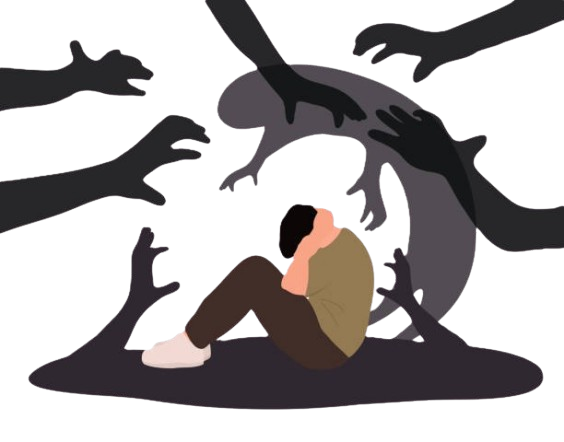
You can develop post-traumatic stress disorder when you go through, see or learn about an event involving actual or threatened death, serious injury or sexual assault.
Healthcare professionals aren’t sure why some people get PTSD. As with most mental health problems, a mix of factors probably causes it, including:
- Extremely stressful experiences, as well as the amount and severity of trauma you’ve gone through in your life.
- Inherited mental health risks, such as a family history of anxiety and depression.
- Inherited features of your personality — often called your temperament.
- The way your brain regulates the chemicals and hormones your body releases in response to stress.
Post-traumatic stress disorder symptoms may start within the first three months after a traumatic event. But sometimes symptoms may not appear until years after the event. These symptoms last more than one month and cause major problems in social or work situations and how well you get along with others. They also can affect your ability to do your usual daily tasks.
Generally, PTSD symptoms are grouped into four types: intrusive memories, avoidance, negative changes in thinking and mood, and changes in physical and emotional reactions. Symptoms can vary over time or vary from person to person.
Intrusive memories
Symptoms of intrusive memories may include:
- Unwanted, distressing memories of a traumatic event that come back over and over again.
- Reliving a traumatic event as if it were happening again, also known as flashbacks.
- Upsetting dreams or nightmares about a traumatic event.
- Severe emotional distress or physical reactions to something that reminds you of a traumatic event.
Avoidance
Symptoms of avoidance may include:
- Trying not to think or talk about a traumatic event.
- Staying away from places, activities or people that remind you of a traumatic event.
Negative changes in thinking and mood
Symptoms of negative changes in thinking and mood may include:
- Negative thoughts about yourself, other people or the world.
- Ongoing negative emotions of fear, blame, guilt, anger or shame.
- Memory problems, including not remembering important aspects of a traumatic event.
- Feeling detached from family and friends.
- Not being interested in activities you once enjoyed.
- Having a hard time feeling positive emotions.
- Feeling emotionally numb.
Changes in physical and emotional reactions
Symptoms of changes in physical and emotional reactions, also called arousal symptoms, may include:
- Being easily startled or frightened.
- Always being on guard for danger.
- Self-destructive behavior, such as drinking too much or driving too fast.
- Trouble sleeping.
- Trouble concentrating.
- Irritability, angry outbursts or aggressive behavior.
- Physical reactions, such as sweating, rapid breathing, fast heartbeat or shaking.
For children 6 years old and younger, symptoms also may include:
- Reenacting a traumatic event or aspects of a traumatic event through play.
- Frightening dreams that may or may not include aspects of a traumatic event.
Intensity of symptoms
Over time, PTSD symptoms can vary in how severe they are. You may have more PTSD symptoms when you’re generally stressed or when you come across reminders of what you went through, including the same time of year when a past traumatic event happened. For example, you may hear a car backfire and relive combat experiences. Or you may see a report on the news about a sexual assault and feel overcome by memories of your assault.
Talk to your healthcare professional or a mental health professional if you have disturbing thoughts and feelings about a traumatic event for more than a month, especially if they’re severe. Also, see a health professional if you’re having trouble getting your life back under control. Getting treatment as soon as possible can help prevent PTSD symptoms from getting worse.
People of all ages can have post-traumatic stress disorder. But you may be more likely to develop PTSD after a traumatic event if you:
- Have severe or long-lasting traumatic experiences.
- Were physically injured during the traumatic event.
- Have been exposed to other trauma earlier in life, such as childhood abuse.
- Have a job that exposes you to traumatic events, such as being in the military or being a first responder.
- Have other mental health problems, such as anxiety or depression.
- Drink too much or misuse drugs.
- Do not have a good support system of family and friends.
- Have blood relatives with mental health problems, including PTSD or depression.
Traumatic events that raise risk
The most common events that can lead to PTSD include:
- Combat exposure.
- Childhood physical abuse.
- Sexual violence.
- Physical assault.
- Being threatened with a weapon.
- An accident.
Many other traumatic events also can lead to PTSD, such as fire, natural disaster, mugging, robbery, plane crash, torture, kidnapping, a life-threatening medical diagnosis, a terrorist attack, and other extreme or life-threatening events.
Post-traumatic stress disorder can disrupt your whole life — your education, job, how well you get along with others, physical health and enjoyment of everyday activities. Having PTSD also may raise your risk of other mental health problems, such as:
- Depression and anxiety disorders.
- Issues with drugs or alcohol use.
- Thinking about and attempting suicide.
After surviving a traumatic event, many people have PTSD-like symptoms at first, such as not being able to stop thinking about what’s happened. Fear, anxiety, anger, depression and guilt are all common reactions to trauma. But most people exposed to trauma don’t go on to develop PTSD.
Getting timely help and support may prevent usual stress reactions from getting worse and leading to PTSD. This may mean turning to family and friends who will listen and offer comfort. It also may mean seeking out a mental health professional for a brief course of therapy. Some people also may find it helpful to turn to their faith communities.
Support from others also may prevent you from turning to unhealthy coping methods, such as misusing alcohol or drugs.
To diagnose post-traumatic stress disorder, your healthcare professional likely will do a:
- Physical exam to check for medical problems that may be causing your symptoms.
- Mental health evaluation that includes talking about your symptoms and the trauma that led up to them. You also may fill out questionnaires asking about your experiences and symptoms.
A diagnosis of PTSD means a person has gone through an event that involved an actual or possible threat of death, violence or serious injury. That can happen in one or more of these ways:
- You directly experienced a traumatic event.
- You witnessed, in person, a traumatic event happening to others.
- You learned that someone close to you had a traumatic event.
- You’re exposed to graphic details of traumatic events over and over again, as is the case for first responders.
You may have PTSD if the problems you have after this exposure last for more than a month and greatly affect your ability to function in social and work settings and how you get along with others.
Don’t try to handle the burden of PTSD on your own. Get help from an expert who’s experienced in treating PTSD.
Post-traumatic stress disorder treatment can help you regain a sense of control over your life. The main treatment is talk therapy, also known as psychotherapy. But treatment also can include medicine.
Combining these treatments can make your symptoms better by:
- Teaching you skills to manage your symptoms.
- Helping you think better about yourself, others and the world.
- Learning ways to cope if any symptoms arise again.
- Treating other problems often related to traumatic experiences, such as depression, anxiety, or misuse of alcohol or drugs.
Psychotherapy
Several types of talk therapy, also called psychotherapy, may be used to treat children and adults with PTSD. Some types of psychotherapy used in PTSD treatment include:
- Exposure therapy. This behavioral therapy helps you safely face situations and memories that you find frightening so that you can learn to cope with them. This is done in a gradual, predictable and controllable manner. Exposure therapy can be particularly helpful for flashbacks and nightmares. One approach uses virtual reality programs that allow you to reenter the setting in which you experienced trauma.
- Cognitive therapy. This type of talk therapy helps you see the ways of thinking, also known as cognitive patterns, that are keeping you stuck. Examples include negative beliefs about yourself and the risk of traumatic things happening again. For PTSD, cognitive therapy often is used along with exposure therapy.
Your therapist can help you build stress management skills to help you better handle stressful situations and cope with stress in your life. Skills such as relaxation, sleep and exercise can be helpful.
All these approaches can help you gain control of lasting fear after a traumatic event. You and your mental health professional can talk about what type of therapy or combination of therapies may best meet your needs.
You may try individual therapy, group therapy or both. Group therapy can offer a way to connect with others going through similar experiences.
Medications
Several types of medicines can help make symptoms of PTSD better:
- Antidepressants. These medicines can ease symptoms of depression and anxiety. They also can help make sleep problems and concentration better. The selective serotonin reuptake inhibitor (SSRI) medicines sertraline (Zoloft) and paroxetine (Paxil) are approved by the Food and Drug Administration (FDA) to treat PTSD. Venlafaxine (Effexor XR) also may be prescribed. Talk with your healthcare team about possible side effects.
- Anti-anxiety medicines. These medicines can ease severe anxiety and related problems. Some anti-anxiety medicines could be misused. Generally, they are used only for a short time.
Research studies on medicines for PTSD include:
- Stellate ganglion block. This procedure involves injecting medicine into a collection of nerves on the side of the neck. While the FDA has not approved this procedure to treat PTSD, studies have shown promising results.
- Prazosin. Prazosin (Minipress) is usually used to manage high blood pressure. Several studies indicate that it may reduce or suppress nightmares in some people with PTSD. But other studies show no benefit. Ask a healthcare professional for more information.
You and your healthcare professional can work together to figure out the best medicine, with the fewest side effects, for you. Your mood and other symptoms may get better within a few weeks.
Tell your healthcare professional about any side effects or problems with medicines. You may need to try more than one medicine, or your healthcare professional may need to adjust your dose or medicine schedule, before finding the right fit for you.
References
- Trauma and stressor-related disorders. In: Diagnostic and Statistical Manual of Mental Disorders DSM-5-TR. 5th ed. American Psychiatric Association; 2022. https://dsm.psychiatryonline.org. Accessed April 25, 2024.
- Stein MB. Posttraumatic stress disorder in adults: Treatment overview. https://www.uptodate.com/contents/search. Accessed April 25, 2024.
- Clinician’s guide to medications for PTSD. Department of Veterans Affairs. https://www.ptsd.va.gov/professional/treat/txessentials/clinician_guide_meds.asp. Accessed April 25, 2024.
- Coping with traumatic stress reactions. Department of Veterans Affairs. https://www.ptsd.va.gov/gethelp/coping_stress_reactions.asp. Accessed April 25, 2024.
- Helping a family member who has PTSD. Department of Veterans Affairs. https://www.ptsd.va.gov/family/how_family_member.asp. Accessed April 25, 2024.
- Post-traumatic stress disorder. National Institute of Mental Health. https://www.nimh.nih.gov/health/topics/post-traumatic-stress-disorder-ptsd. Accessed April 25, 2024.
- What is posttraumatic stress disorder (PTSD)? American Psychiatric Association. https://www.psychiatry.org/patients-families/ptsd/what-is-ptsd. Accessed April 25, 2024.
- Ferri FF. Posttraumatic stress disorder. In: Ferri’s Clinical Advisor 2024. Elsevier; 2024. https://clinicalkey.com. Accessed April 25, 2024.
- Kellerman RD, et al. Posttraumatic stress disorder. In: Conn’s Current Therapy 2024. Elsevier; 2024. https://www.clinicalkey.com. Accessed April 25, 2024.
- Eapen BC, et al., eds. Posttraumatic stress disorder. In. Brain Injury Medicine: Board Review. Elsevier; 2021. https://www.clinicalkey.com. Accessed April 25, 2024.
- 988 Suicide & Crisis Lifeline. Substance Abuse and Mental Health Services Administration. https://988lifeline.org. Accessed April 25, 2024.
- Sareen J. Posttraumatic stress disorder in adults: Epidemiology, pathophysiology, clinical features, assessment, and diagnosis. https://www.uptodate.com/contents/search. Accessed April 25, 2024.
- Mulvaney SW, et al. The successful use of left-sided stellate ganglion block in patients that fail to respond to right-sided stellate ganglion block for the treatment of post-traumatic stress disorder symptoms: A retrospective analysis of 205 patients. CNS Spectrums. 2022; doi:10.1093/milmed/usab056.
- Medical review (expert opinion). Mayo Clinic. June 13, 2024.
- Prazosin. MedlinePlus https://medlineplus.gov/druginfo/meds/a682245.html. Accessed April 29, 2024.
Related Topics

Other Specialities
Stay away from bad habbits
Mental Health
Mental health includes our emotional, psychological, and social well-being. It affects how we think, feel, and act as we cope with life.
Book your appointment TODAY!
Search on the closest Doctor to your location and book based on specialty. EARN 10 POINTS more with CuraPOINT.
BOOK-
Find a clinic near you
-
Call for an appointment!
-
Feel free to message us!
About Us
Curafile is the biggest Healthcare Curated Network Globally that serves citizens, service providers in one place.
- Al Hussain Business Park
Amman, Jordan