

Blood Transfusion
- Home
- Transplantation and Donation
- Blood Transfusion
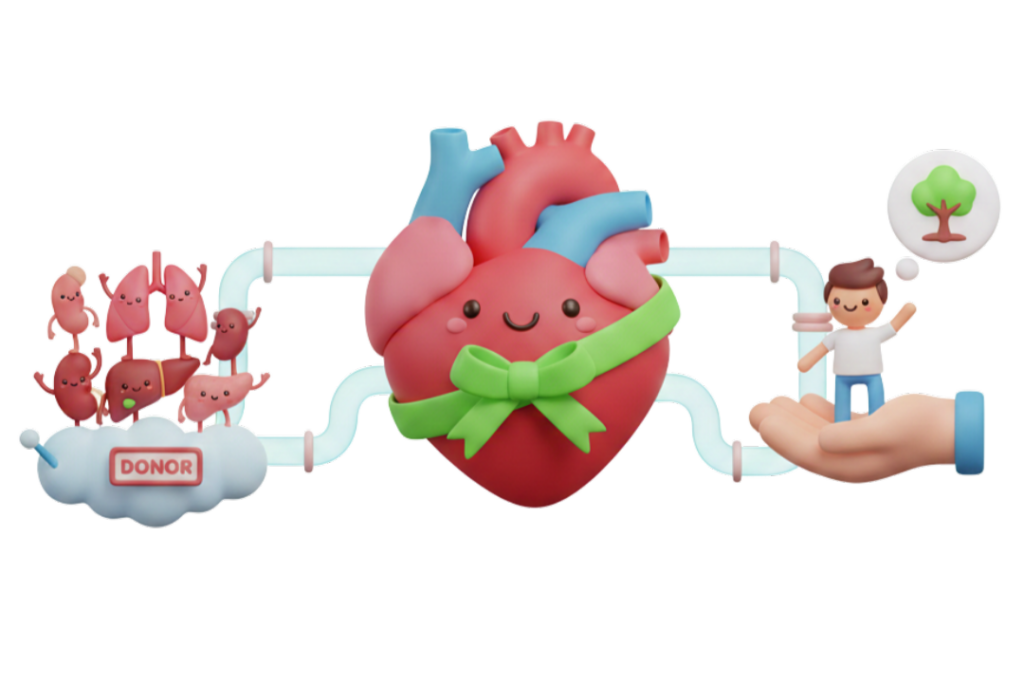
Organ donation means giving your organ — or part of an organ — to someone who needs it to live. Organ transplantation is surgery to remove the organ from you and place it in the person who needs it. This might happen after you’ve died, if you’re an organ donor. But sometimes, you can donate an organ while you’re still alive.
-
What Happens Before a
Blood Transfusion? -
What happens during a
blood transfusion? - How long does it take?
-
What happens after a
blood transfusion?
Your healthcare providers will take a blood sample to find out your blood type so they know what blood type is safe for you to receive. Providers may use blood type 0 negative if you need a transfusion right away. They’ll explain potential reactions and risks.
In most cases, you’ll need to give informed consent before receiving a blood transfusion. This means you read and sign a document that explains the procedure’s purpose, benefits, risks and alternatives. There may be situations when you can’t give informed consent, like having life-threatening injuries from an accident. In that case, healthcare providers will try to reach your next of kin or someone who has power of attorney.
In general, healthcare providers will:
- Check your weight: This is to see how much blood is appropriate for you.
- Check your vital signs: Your provider will check your temperature, pulse and blood pressure. They’ll do these checks several times during your blood transfusion.
- Insert a tube into a vein in your arm: The tube connects to a drip that sends blood into your vein. You may feel slight discomfort when the tube goes in. If you already have a central venous catheter in place as part of your treatment, your provider may use that for the transfusion instead of a vein in your arm.
- Start the transfusion: You’ll receive a slow flow of blood at first, so your provider can check for any issues. They’ll ask how you feel, like if you’re feeling feverish, chilled or short of breath. They’ll increase the blood flow if all is going well.
- Do more checks: Your provider will take your vital signs again. They’ll ask how you feel and treat any symptoms. They’ll stop the transfusion and treat your symptoms if you have a severe reaction.
- Complete the transfusion: When the transfusion is done, your provider will remove the tube from your arm and ask how you’re feeling. They’ll check your vital signs again.
Red blood cell transfusions and whole blood transfusions take about two to four hours. Plasma transfusions and platelet transfusions are quicker and may take up to one hour.
Your healthcare provider will explain what you should do if you have a reaction to the blood transfusion. Unless you need other treatment, you’ll be able to go home after your transfusion. They may recommend that you rest for the next 48 hours. The arm that had the IV in it may be sore. Putting a cold compress on your arm and keeping it elevated might help with soreness.
-
What are the benefits of a
blood transfusion? - What are the possible risks?
A blood transfusion can save your life if you lose a lot of blood from surgery or an injury. It can also be a treatment for blood disorders and certain kinds of cancer.
Blood transfusions are generally safe. Your healthcare provider will explain possible risks, like an allergic reaction or a fever from a transfusion. They’ll also explain the risk that you’ll have a more severe reaction. It’s important to remember your provider will only recommend a blood transfusion if the benefits outweigh possible risks.
Potential risks include:
- Allergic reaction: Your immune system may react to certain components in donated blood. Mild reaction symptoms are itching and hives. Rarely, you could have a severe allergic reaction. Symptoms of more serious reactions include severe shortness of breath, fast heart rate and nausea and vomiting.
- Alloimmunization: This can happen if you need frequent blood transfusions. In alloimmunization, you have high numbers of antibodies in your blood. Your immune system normally makes antibodies that protect against bacteria and viruses. It can sometimes make new antibodies to red blood cells each time you have a blood transfusion. High numbers of antibodies to red blood cells make it more difficult for blood banks to find donated blood that the antibodies won’t attack.
- Fever: You may have a fever and chills if antibodies in your blood respond to white blood cells in the new blood. Fever, along with chest pain and nausea, may mean you’re having a serious reaction.
- Hemolytic transfusion reaction: This is a rare but serious issue that affects your red blood cells. It can happen if your red blood cells and the new cells don’t match. Your immune system reacts by destroying the new red blood cells. Symptoms typically start during or right after transfusion. You may have chest pain, chills and fever, dark pee, lower back pain and nausea.
- Post-transfusion purpura: This is when your body makes antibodies that attack and destroy platelets in your blood and cause excessive bleeding. Symptoms may start five to 12 days after your transfusion and include easy bruising, bleeding gums, nosebleeds or blood in your pee or poop.
- Circulatory overload: People with underlying heart or kidney conditions may have this reaction to blood transfusions. It happens when your body can’t process all the new fluid from a blood transfusion. Symptoms include trouble breathing and a cough.
- Graft vs. host disease: Transfusion-associated graft vs. host disease is when donated white blood cells attack your tissues. This typically affects people whose immune systems are weakened from bone marrow or organ transplants or immunodeficiencies. Symptoms begin anywhere from two days to six weeks after the transfusion, and may include fever, diarrhea and a rash.
- Blood-borne infection: Rarely, donated blood may carry harmful bacteria or viruses that cause blood-borne infections.
Your recovery depends on many factors, including the condition the transfusion is treating. Talk to your healthcare provider to learn more about what you can expect and any future treatments you might need.
Blood transfusion reactions can happen during the transfusion, the next day or up to several months later. Call your healthcare provider right away if you experience:
- Bleeding, pain or new bruising at the IV site
- Cold and clammy skin, fever or chills
- Dark or reddish pee
- Fast heartbeat, chest pain, trouble breathing or wheezing
- Headache or dizziness
- Nausea or vomiting
- Rash, hives or itching
- Severe back pain
- Swelling of your lips, tongue or face
References
- American Cancer Society. Kinds of Blood Product Transfusions (https://www.cancer.org/cancer/managing-cancer/treatment-types/blood-transfusion-and-donation/what-are-transfusions.html). Last revised 6/21/2023. Accessed 8/26/2025.
- American Cancer Society. Transfusion Steps and Possible Side Effects (https://www.cancer.org/cancer/managing-cancer/treatment-types/blood-transfusion-and-donation/how-blood-transfusions-are-done.html). Last revised 6/21/2023. Accessed 8/26/2025.
- American Red Cross. Multiple pages reviewed (https://www.redcrossblood.org/donate-blood/blood-donation-process/what-happens-to-donated-blood/blood-transfusions.html). Accessed 8/26/2023.
- Centers for Disease Control and Prevention (U.S.). Blood Safety Basics (https://www.cdc.gov/blood-safety/about/index.html). Last reviewed 4/24/2024. 7/11/2023. Accessed 8/26/2025.
- Merck Manual (Consumer Version). Blood Transfusion (https://www.merckmanuals.com/home/blood-disorders/blood-transfusion) (multiple pages reviewed). Revised 4/2025. Accessed 8/26/2025.
- World Health Organization. Blood safety and availability (https://www.who.int/news-room/fact-sheets/detail/blood-safety-and-availability). Updated 5/30/2025. Accessed 8/26/2025.

Ad
Women have unique health issues. And some of the health issues that affect both men and women can affect women differently.
Book your appointment TODAY!
Search on the closest Doctor to your location and book based on specialty. EARN 10 POINTS more with CuraPOINT.
BOOK-
Find a healthcare provider near you
-
Call for support
-
Feel free to message us!
About Us
Curafile is a Medical Cyclopedia, biggest Healthcare Curated Network Globally, serves citizens, service providers in one place.
- Estonia - Qatar
Jordan - Saudi Arabia