
What does the sound of a cough say about a person’s health?
Tell me – Hearing other people cough and choke is one of the most unpleasant things in life, but learning to listen to your own cough can sometimes save your life.
According to the Daily Mail, Dr. Asif estimates that about half of his patients complain of coughing, but despite it being a concern for many, it is “a normal function of the body.”
The doctor classifies coughs into 6 different categories.
dry cough
Dr. Asif describes a dry cough as an intermittent sound that does not produce phlegm, which is a sticky mucus secreted by the lungs to trap irritants such as dust, germs, and viruses to protect the respiratory tract.
If the cough is caused by an allergy, it is common in the spring, but if it is caused by a viral infection, it is more common in the winter.
He says: “Most of these coughs improve spontaneously within days or weeks, and are usually mild.”
However, “we are concerned about a cough that does not improve after 3 weeks, as it may indicate cancer.”
A dry cough may be a warning sign of lung, mouth, throat, or other upper respiratory tract cancers.
However, acid reflux is another cause of dry cough, a problem that affects about one-fifth of adults.
wet cough
Dr. Asif explains that a wet cough produces mucus and makes a gurgling or rattling sound.
Since phlegm helps protect the respiratory tract from bacteria and viruses, the body produces more of it when trying to fight infection. The presence of phlegm in the lungs can make breathing difficult, so the body coughs to expel it along with any germs it has absorbed.
However, coughing with phlegm can cause strain on the chest muscles, leading to pain in the chest, back, and ribs.
As with most types of cough, a chesty cough usually goes away on its own within 3 to 4 weeks without the need for treatment.
It is often accompanied by a blocked or runny nose, which can be bothersome, because excess phlegm is also expelled through the nostrils.
Children often swallow phlegm, which is nothing to worry about, according to Dr. Asif .
In mild cases, a cough accompanied by phlegm is treated with rest, drinking fluids, and eating soft foods.
If the condition worsens at night, it is advisable to sleep with the head elevated by pillows, as this helps to get rid of wet secretions more effectively.
pneumonia
If the child has a high fever, blood in thick phlegm, or if their condition generally worsens, they should book an appointment with their doctor, as this may indicate bronchitis that could develop into serious pneumonia.
Bronchitis is an inflammation of the airways, which in severe cases can lead to respiratory failure. This inflammation occurs when the bronchi, the tubes leading to the lungs, become infected.
He adds: “The phlegm often sounds rough and is accompanied by moist phlegm, but it has not yet reached the lungs.”
Pneumonia is a serious infection of the lungs, in which the tiny air sacs fill with fluid, making breathing difficult.
barking cough
A barking cough requires urgent medical attention, as it often requires treatment, especially in children.
Although it is less common in adults, they can also get it, and they may in turn need treatments such as steroids .
The doctor explains: “It is characterized by a sharp, loud sound. Medical books often describe it as a ‘bark resembling the bark of a seal.'”
This type of cough is usually associated with croup, a viral infection of the upper respiratory tract.
“It is also associated with some viral symptoms, as the infected person may suffer from a high fever or a runny nose.”
wheezing cough
Dr. Asif warns that wheezing coughs should be taken seriously. They can be identified by a distinct whistling or crackling sound that occurs during coughing and normal breathing.
This type of cough, which may be painful due to swelling of the airways, may be a symptom of a chest infection, which may also cause phlegm.
This type of cough is primarily associated with asthma and chronic obstructive pulmonary disease (COPD), a group of lung diseases that make breathing difficult.
The doctor says: “Although this cough may be persistent and associated with a chronic condition, we always advise consulting a doctor if it becomes more frequent or shortness of breath worsens.”
Treatment in this case depends on the cause of the cough. For example, if the cough is a sign of an asthma attack, it will require urgent treatment, as the attack may be life-threatening.
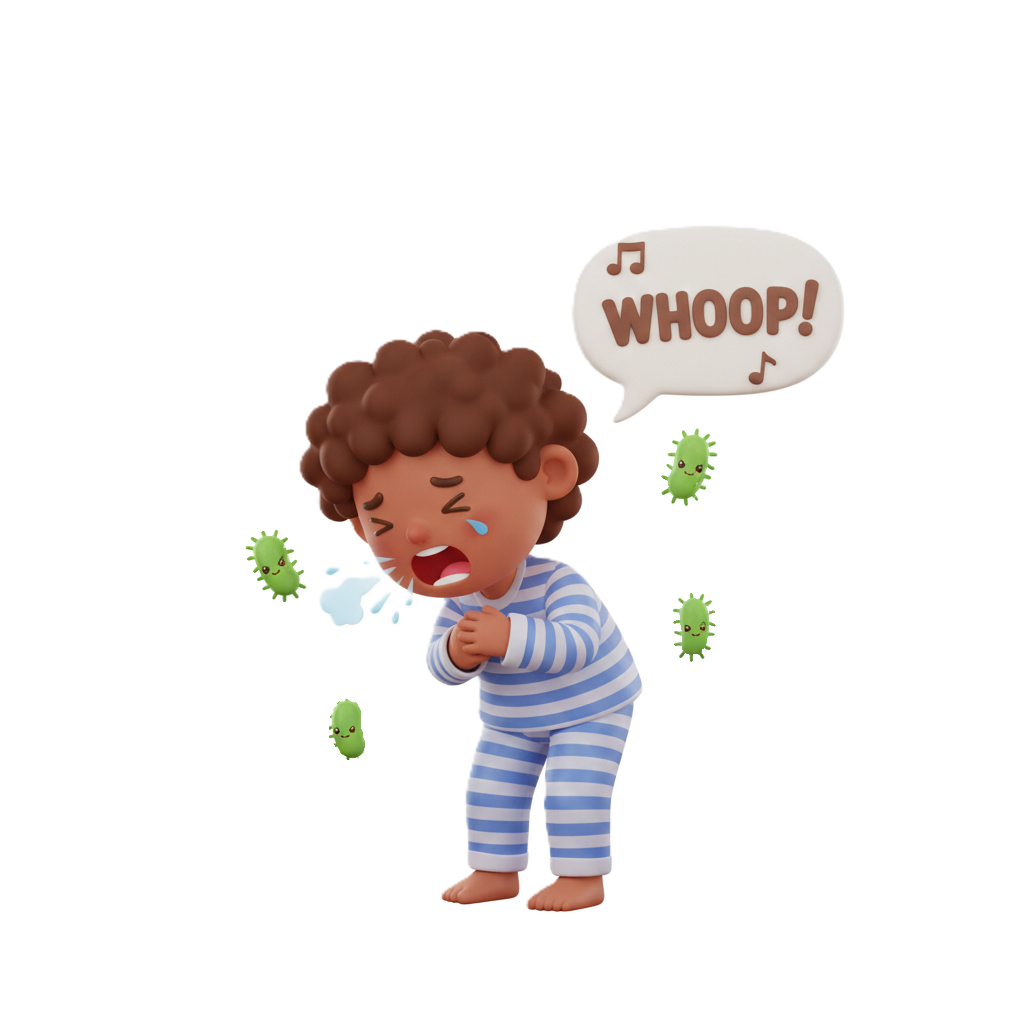
whooping cough
Whooping cough can make a person feel like they are about to suffocate.
This disease is linked to a highly contagious bacterium known as Bordetella pertussis , and can spread rapidly among family members.
Although it is more common among children, adults can also be affected, but they may not necessarily make the characteristic “inhalation” sound.
Also, infants under 6 months of age may not develop classic whooping cough, or it may be difficult to hear.
Whooping cough attacks can last for several minutes, worsen at night, and may cause difficulty breathing. Due to the reduced amount of oxygen entering the lungs and being pumped into the bloodstream, the affected person’s skin may turn blue or gray.
Whooping cough may also be accompanied by thick phlegm that causes vomiting and severe facial redness.
Dr. Asif says : “This cough, especially in children, requires immediate antibiotic treatment, and any confirmed infection should be reported to the public health authorities.”
chronic cough
The last cough on Dr. Asif’s list is known as a chronic cough , which he says is “the most complicated and changeable” because it may be a sign of underlying disease.
Causes of this cough include: asthma, chronic bronchitis, gastroesophageal reflux disease, or very serious illnesses, such as lung cancer.
This type of cough doesn’t necessarily produce a distinctive sound, unlike other types. “If the cough persists for more than 8 weeks, it’s essential to consult a doctor to prevent the condition from worsening.”
References
What does the sound of a cough say about a person’s health, khaberni, https://www.khaberni.com/news/768137-%D9%85%D8%A7%D8%B0%D8%A7-%D9%8A%D8%B9%D9%86%D9%8A-%D8%B5%D9%88%D8%AA-%D8%A7%D9%84%D8%B3%D8%B9%D8%A7%D9%84-%D8%B9%D9%86-%D8%B5%D8%AD%D8%A9-%D8%A7%D9%84%D8%B4%D8%AE%D8%B5%D8%9F
Topics
- From a Harvard expert: 6 “effective” daily tips to slow down aging 1774 January 22, 2026
- The “dangerous” Nipah virus: What are its symptoms and how can it be prevented? 260 January 27, 2026
- The US Food and Drug Administration is requesting the removal of the “suicidal thoughts” warning from weight-loss drugs. 258 January 14, 2026
- Do you watch more than 3 hours of television daily? A study warns of psychological implications. 251 January 23, 2026
- “NC Band”… the first smart bracelet with medical standards for measuring temperature 251 January 20, 2026