

“Hidden clocks” in the brain reveal the secret behind the differences in mental abilities between humans
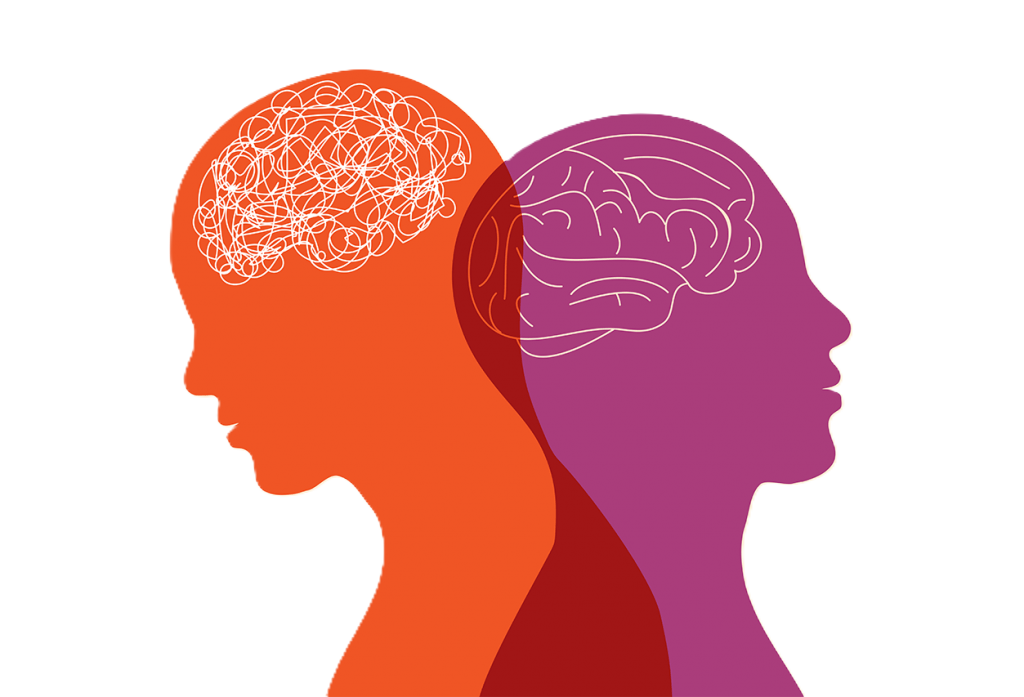
A recent scientific study from Rutgers University in the United States has identified a biological mechanism that explains how the brain coordinates between fast and slow information, from immediate reactions to deep, calm thinking, helping to understand the differences in mental abilities between humans.
The study, published in the journal “Nature Communications,” indicates that the brain does not process everything it receives at the same speed. There are areas that act as an “emergency unit” that deal with rapid signals such as sensory and motor stimuli, while other areas handle slower processing that is concerned with understanding meaning and context and making complex decisions.
Scientists call this specificity in each region “intrinsic neural timescales,” that is, the length of time each region retains information before it is transferred to another.
White matter: a network that coordinates differences in speeds
The study explains that the brain coordinates these different speeds through a network of nerve fibers known as white matter, which acts as a “road network” connecting brain regions and allowing the simultaneous integration of fast and slow signals. This mechanism enables the mind to combine what is happening immediately with what requires time for reflection and understanding.
The research team relied on advanced brain imaging analysis of 960 participants, and the construction of detailed maps of the communication networks in their brains in order to track how neural activity moves over time.
Why do we differ in our mental abilities?
The results showed that the degree of harmony between brain regions’ “clocks” and white matter structure varies from person to person, and is partly related to differences in performance and cognitive abilities between individuals.
The researchers also observed similar time patterns in the brains of mice, indicating that this mechanism is not unique to humans, but rather reflects a general biological principle in regulating brain function.
The researchers believe that understanding this “neural timing” could open new horizons in mental health research, as disruptions in time coordination between brain regions are likely part of the picture in disorders such as schizophrenia and depression. However, they emphasize that these findings are still within the framework of basic research conducted on healthy individuals, and that translating them into diagnoses or treatments requires deeper clinical studies in the future.
References
“Hidden clocks” in the brain reveal the secret behind the differences in mental abilities between humans., aljazeera, www.aljazeera.net/health/2026/1/6/ساعات-خفية-في-الدماغ-تكشف-سر-اختلاف
Locations
Topics
- From a Harvard expert: 6 “effective” daily tips to slow down aging 1812 January 22, 2026
- “NC Band”… the first smart bracelet with medical standards for measuring temperature 307 January 20, 2026
- Do you watch more than 3 hours of television daily? A study warns of psychological implications. 299 January 23, 2026
- The “dangerous” Nipah virus: What are its symptoms and how can it be prevented? 295 January 27, 2026
- The US Food and Drug Administration is requesting the removal of the “suicidal thoughts” warning from weight-loss drugs. 289 January 14, 2026