

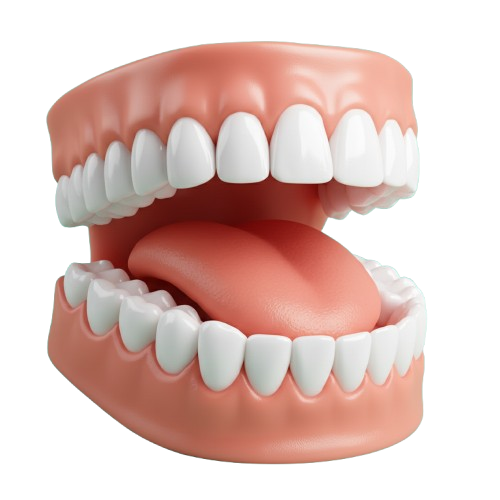
Cosmetic veneers for improving the appearance of teeth: A comprehensive guide to their benefits and risks
Veneers are very thin cosmetic shells that are bonded to the front surface of the teeth, and are intended to improve the color, shape and length, and to hide minor defects such as discoloration or minor fractures.
According to specialists, veneers have been used in dentistry for decades. In its early days, it was a temporary solution used in the fields of cosmetics and cinema, before it witnessed a major development with the development of medical materials and bonding techniques, which made it more stable, permanent and safe for teeth, and one of the common options in modern cosmetic treatments.
Veneers are usually made from high-quality materials, most notably porcelain or ceramic, and are characterized by a natural appearance, high resistance to staining, and a long lifespan.
In contrast, cosmetic fillings (composite) are less expensive and are often completed in one session, but they are less durable and have a shorter lifespan compared to porcelain veneers.
When is it advisable to get veneers?
In an interview with the ” Your Health ” program on Al-Araby 2, dentist Zaid Ataya recommends veneers in specific cases, most notably severe discoloration that doesn’t respond to simple procedures like teeth cleaning. This discoloration is often internal, resulting from certain medications or from high fluoride levels in drinking water in some areas, a condition known as “fluorosis.”
Veneers are also used in cases of minor gaps between teeth, or slight deviations that do not require orthodontics, provided that closing the gap does not lead to an abnormal change in tooth size or damage to the enamel layer.
When is the use of veneers prohibited?
According to Ataya, veneers are not suitable for all cases. They are contraindicated in cases of severe gum inflammation, diseases of the supporting tissues of the teeth, or jawbone recession, as these require medical treatment before considering any cosmetic restorations.
It is also not recommended in cases of malocclusion or crossbite, due to the large pressure that may lead to the veneer breaking, in addition to cases of bad habits such as nail biting or nighttime teeth grinding, unless these problems have been treated beforehand.
Patients with severe tooth sensitivity are also excluded, as the installation of veneers may exacerbate this sensitivity.
Are veneers safe in the long term?
Ataya added that veneers are considered a safe cosmetic procedure according to studies, but their long-term success depends on two main factors: the doctor’s competence and the patient’s commitment to oral care.
The doctor confirms that a patient who has veneers installed needs extra care for their teeth compared to a normal patient, in order to maintain the results and avoid complications.
What is the difference between teeth whitening and veneers?
Veneers are distinguished by their ability to cover various types of pigmentation, and their color is stable and does not change over time, unlike regular bleaching where the color changes over a certain period, averaging 6 months.
Ataya believes that the choice of veneers should be based on a thorough medical assessment, and not solely on aesthetic motives, to ensure safe and sustainable results.
References
Cosmetic veneers for improving the appearance of teeth: A comprehensive guide to their benefits and risks, alaraby, www.alaraby.com/news/الفينير-التجميلي-لتحسين-مظهر-الأسنان-دليل-شامل-عن-فوائده-ومخاطره
Locations
Topics
- From a Harvard expert: 6 “effective” daily tips to slow down aging 1851 January 22, 2026
- Do you watch more than 3 hours of television daily? A study warns of psychological implications. 347 January 23, 2026
- The US Food and Drug Administration is requesting the removal of the “suicidal thoughts” warning from weight-loss drugs. 344 January 14, 2026
- “NC Band”… the first smart bracelet with medical standards for measuring temperature 342 January 20, 2026
- Ebvallo Atara Biotherapeutics Provides Regulatory Update on Ebvallo (tabelecleucel) 332 January 12, 2026