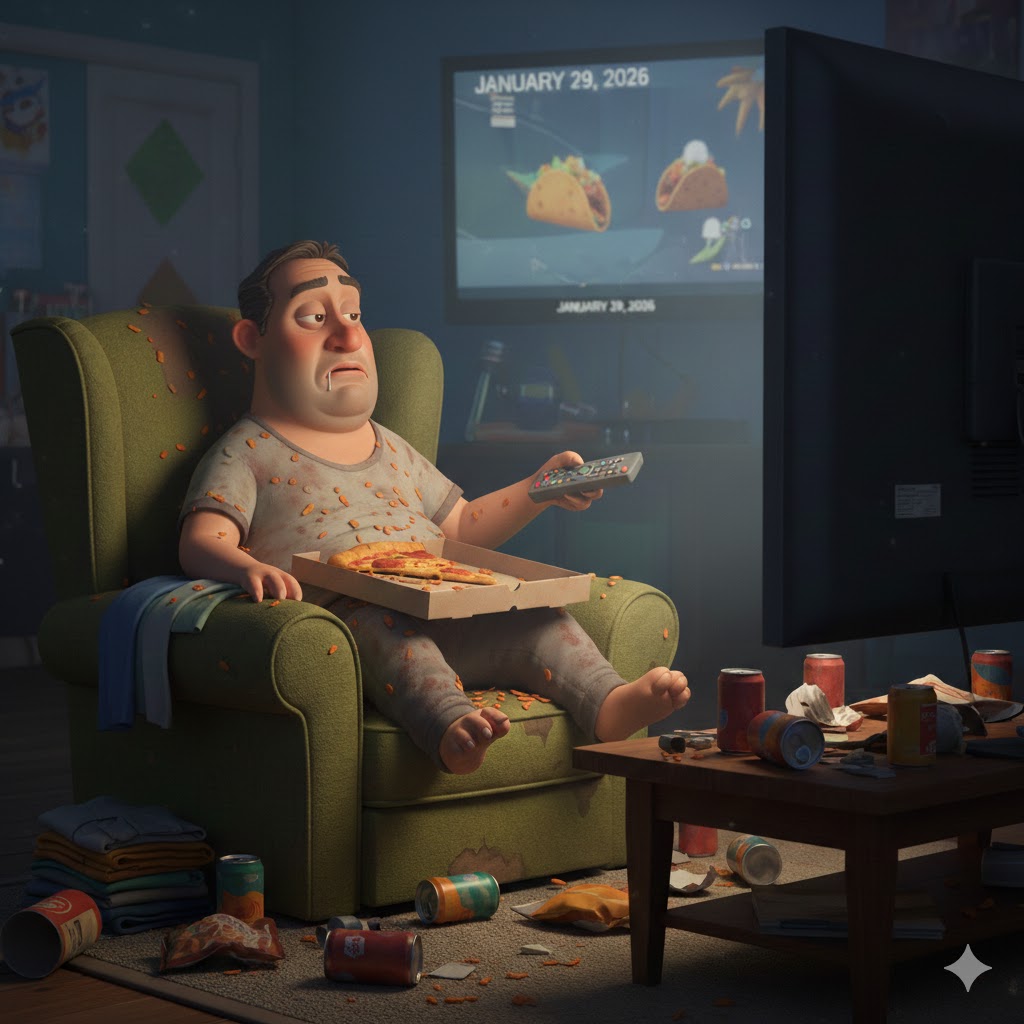
Do you watch more than 3 hours of television daily? A study warns of psychological implications.
A recent scientific study revealed that watching more than four consecutive episodes of TV series, or spending more than three hours a day in front of the television , may not just be a recreational habit, but may be a psychological indicator of loneliness .
Since the COVID-19 pandemic, which forced millions of people around the world to stay in their homes for extended periods with limited social interaction, the concept of “excessive viewing” has become an increasingly widespread phenomenon, amid growing warnings of its potential psychological effects.
What is binge-watching? And why does it appeal to us?
Studies show that excessive viewing is characterized by several psychological features, most notably:
- A strong focus on content.
- Loss of sense of time.
- Decreased self-awareness.
- A temporary feeling of pleasure and satisfaction.
Although this behavior may seem like a normal recreational activity, it becomes a real problem when it “gets out of control” and begins to interfere with daily responsibilities such as studying, work, or social relationships.
Researchers at Huangshan University in China conducted a field study involving 551 adults who watched television for more than three and a half hours a day, at a rate of no less than four episodes per session, according to a report published by the British newspaper ” The Independent “.
The researchers measured several psychological and behavioral indicators, including:
- The ability to control behavior.
- Mood swings.
- Withdrawal symptoms.
- The likelihood of relapse.
- Negative impact on work and social relationships.
Previous studies indicate that media consumption typically increases during periods of stress and psychological distress, and multiple studies have directly linked increased use of live streaming platforms to feelings of social isolation.
In the new study, published in the scientific journal “PLoS One,” researchers concluded that “the pursuit of positive emotions” plays a pivotal role in the development of what are known as “problematic viewing patterns.”
Shocking results: 61% suffer from excessive viewing addiction
The study results showed that:
- 61% of participants showed signs of “excessive viewing addiction”.
- They were later asked about their level of loneliness and their ability to regulate their emotions.
- A strong correlation has been found between feelings of loneliness and high levels of addiction to watching TV series.
According to the researchers, people who suffer from a high sense of loneliness, seek emotional gratification, and use TV series as a means of psychological escape are the most likely to fall into the trap of addiction to continuous viewing.
Researchers confirm that many individuals resort to excessive viewing as a means of regulating their negative feelings, primarily loneliness.
In conclusion, the researchers stated: “This study deepens our understanding of binge watching by distinguishing between addictive and non-addictive behavior, and shows that loneliness is an important psychological indicator of binge watching addiction.”
References
Locations
Topics
- From a Harvard expert: 6 “effective” daily tips to slow down aging 1849 January 22, 2026
- Do you watch more than 3 hours of television daily? A study warns of psychological implications. 346 January 23, 2026
- The US Food and Drug Administration is requesting the removal of the “suicidal thoughts” warning from weight-loss drugs. 343 January 14, 2026
- “NC Band”… the first smart bracelet with medical standards for measuring temperature 342 January 20, 2026
- Ebvallo Atara Biotherapeutics Provides Regulatory Update on Ebvallo (tabelecleucel) 331 January 12, 2026