

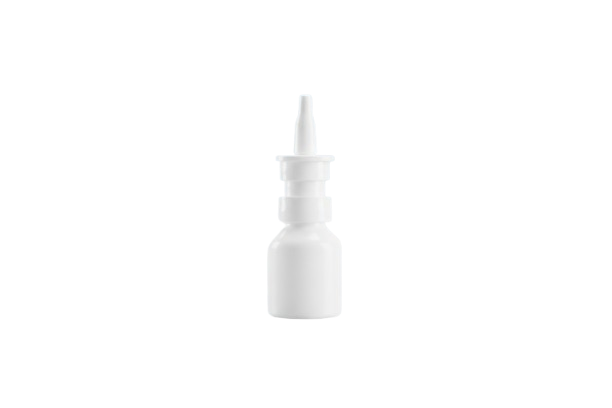
Nasal decongestant sprays: temporary relief that can turn into addiction
Many people resort to decongestant nasal sprays to escape sleepless nights caused by colds and blocked noses, but pharmacists warn that this quick fix could turn into a health trap that is difficult to escape.
The accompanying drug leaflets for these sprays indicate that they should not be used for more than 7 consecutive days, but pharmacist Alexander Schmitz believes that caution should begin earlier than that, recommending stopping their use after only 4 to 5 days and replacing them with moisturizing sprays based on seawater.
Schmitz attributes this warning to the nasal mucosa’s ability to adapt quickly to decongestant active ingredients that constrict blood vessels in the nasal lining, leading over time to the body becoming dependent on them.
“At some point, a person can no longer breathe without the inhaler, so they make sure to carry it with them constantly,” he says.
The pharmacist confirms that he frequently encounters cases of people who are completely dependent on nasal sprays, noting that stopping their use is not easy, because the basic need to breathe makes the matter more complicated.
The harm of long-term use is not limited to dependence alone, as excessive use of decongestant sprays leads to dryness of the nasal mucous membrane, which increases the risk of bleeding and increases susceptibility to infection, as a result of the nose’s weakened ability to perform its natural protective functions.
As for ways to get rid of this dependence, Schmitz explains that one common piece of advice is to gradually move to children’s sprays with a lower concentration of the active ingredient, before later switching to seawater sprays that are completely free of pharmaceutical substances.
But this method does not work for everyone, especially those who have been dependent on sprays for many years. In such cases, Schmitz advises seeking help from pharmacies, where the concentration of the spray can be gradually reduced in very precise steps until the user eventually reaches a seawater spray only.
Schmitz concludes by emphasizing that seawater sprays do not carry a risk of dependence, since they are limited to moisturizing the mucous membrane, making them a safe option for long-term use.
References
Nasal decongestant sprays: temporary relief that can turn into addiction., aljazeera, www.aljazeera.net/health/2026/1/3/بخاخ-الأنف-المزيل-للاحتقان-راحة-مؤقتة
Locations
Topics
- From a Harvard expert: 6 “effective” daily tips to slow down aging 1889 January 22, 2026
- Cases of drug-resistant infection that causes diarrhea are rising: What to know 646 April 14, 2026
- A Distinct New Type of Diabetes Is Now Officially Recognized 645 April 15, 2026
- Effectiveness of GLP-1s Like Ozempic, Wegovy May Depend on Your Genetics 643 April 14, 2026
- Recommendations Developed for Prevention of Pediatric Atopic Dermatitis 643 April 14, 2026
