

Beware of overindulgence after Ramadan… Tips for an Eid free of health and nutritional problems
Fasting during the holy month of Ramadan is a turning point in the body’s metabolism, as it adapts to this new pattern.
With the arrival of Eid al-Fitr and the return to the usual breakfast routine, a temporary disruption in the metabolic process may occur, leading to an increase in appetite or what is known as binge eating, especially if moderation in eating is not adhered to, meal times are not regulated, and fatty foods and sweets are not avoided after a long period of fasting.
What happens during fasting?
During fasting hours, a metabolic shift occurs, where the body begins to rely on stored fat instead of glucose as the main source of energy, as a result of lower blood glucose and insulin levels.
In April 2025, the scientific journal Nature published a systematic review that examined the effect of fasting during Ramadan on anthropometric measurements, including an analysis of 54 studies involving 2,857 people from 21 countries.
The results showed that fasting contributes to a significant decrease in weight and body mass index, especially starting from the second and third weeks of the month, with a slight decrease in the amount and percentage of fat.
The review also recommended continuing the healthy metabolic pattern that develops during Ramadan and considering it a lifestyle, in order to achieve the best results in fat loss, given that the positive effect of fasting does not last for long periods without maintaining this approach.
Return to breakfast
Just as a metabolic shift occurs at the beginning of Ramadan, the body prepares again for another transformation phase with the return to breakfast on the first day of Eid al-Fitr, especially when eating cakes and sweets; as the body moves from relying on fats as a source of energy to using glucose, which leads to a gradual increase in the level of insulin in the blood.
A 2018 study published in the journal Nature, examining the effects of fasting during Ramadan and for about a month afterward, revealed a significant decrease in several metabolic indicators by the end of the month compared to pre-Ramadan levels, such as body weight, body mass index (BMI), body fat percentage, fasting blood glucose, and triglycerides. Conversely, a marked increase in insulin resistance was observed towards the end of Ramadan.
However, after a month had passed since the end of Ramadan and the return to the usual breakfast pattern, these indicators began to rise gradually and return to their previous levels, but they did not stabilize completely.
The study also showed a decrease in the consumption of most food groups during Ramadan, with the exception of carbohydrates, which saw an increase in consumption.
Eid and gluttony
Many people start the morning of the first day of Eid by eating large quantities of cakes and biscuits, thinking that they are a suitable alternative to breakfast. However, this behavior may cause something like a “shock” to the body after it has become accustomed to fasting, as the level of insulin in the blood rises suddenly, leading to a disruption of the metabolic process and difficulty in digestion, as well as stimulating what is known as food cravings.
Dr. Nada Fayad, a consultant in therapeutic nutrition, explains to Al Jazeera Net that binge eating is the desire to eat large quantities of food in a short period of time, without paying attention to its quality, ingredients, or even taste.
She points out that this condition during Eid stems from ignoring the changes the body undergoes during Ramadan, as it is suddenly inundated with large quantities of Eid sweets such as cakes, biscuits, and petit fours, which are rich in ghee, butter, sugar, and flour. Consuming these as part of the Iftar meal leads to a sharp rise in blood sugar levels, prompting the pancreas to release large amounts of insulin, resulting in digestive problems such as indigestion.
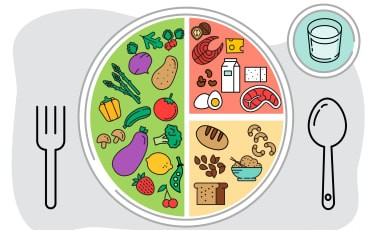
To reduce the craving for sweets during the holiday, Fayed advises not replacing breakfast with sweets, but rather eating them after a complete meal containing protein and complex carbohydrates, such as wholemeal bread or potatoes, as this helps to reduce the absorption of sugar and fats.
It also emphasizes the importance of drinking sufficient amounts of water and consuming herbal drinks that are beneficial to the digestive system, such as anise, chamomile, mint, and ginger.
It warns that excessive consumption of holiday sweets may lead to health problems, especially in the digestive system, such as gas, bloating, or diarrhea, as a result of the large amounts of sugars.
Children on Eid
Dr. Nermin Abdel Wadood, a certified nutrition coach from Precision Nutrition in Canada, a health and nutrition coach, and founder of the “Lean Leap” program specializing in building sustainable healthy habits, explained that during Ramadan—even if a child doesn’t fast the entire day—lives within a different dietary pattern than the rest of the year. Meal times become more defined, exposure to food decreases frequently, and the idea of ”eating all day” largely disappears. This, in turn, affects how the body and brain process hunger, satiety, and energy signals.
She added in her statement to Al Jazeera Net that one of the most prominent behavioral effects of Ramadan on children is a decrease in unplanned eating, as the food environment becomes more structured. With fewer unplanned meals, children become more aware of satiety and fullness cues, and a more regular eating pattern is reinforced.
With the arrival of Eid al-Fitr, a sudden shift occurs in the child’s eating habits, which constitutes a kind of “shock” on the physical and behavioral level, as he suddenly moves into an environment full of temptations such as sweets, chocolate, cakes, biscuits and juices.
Dr. Nermin explains that this sudden change confuses the child for two reasons: firstly, there is confusion in the hunger and satiety signals, and secondly, the child begins to eat not only out of hunger, but also in response to the available temptations.
Studies indicate that environments rich in delicious and readily available foods make appetite control more difficult and increase the likelihood of overeating or what is known as binge eating.
Also, relying on sweets and baked goods rich in sugar, which provide quick energy without giving a stable feeling of satiety, unlike balanced meals that contain protein and fiber, contributes to increasing this craving.
In closing, Abdul Wadood advises parents to maintain the gains that the child has made during Ramadan in regulating hunger and satiety signals, and to work on investing in and continuing them as a healthy pattern to protect children’s health.
References
Beware of overindulgence after Ramadan… Tips for an Eid free of health and nutritional problems, aljazeera, www.aljazeera.net/health/2026/3/21/احذر-النهم-بعد-رمضان-نصائح-لعيد-بلا
Locations
Topics
- From a Harvard expert: 6 “effective” daily tips to slow down aging 1889 January 22, 2026
- Cases of drug-resistant infection that causes diarrhea are rising: What to know 646 April 14, 2026
- A Distinct New Type of Diabetes Is Now Officially Recognized 645 April 15, 2026
- Effectiveness of GLP-1s Like Ozempic, Wegovy May Depend on Your Genetics 643 April 14, 2026
- Recommendations Developed for Prevention of Pediatric Atopic Dermatitis 643 April 14, 2026
