

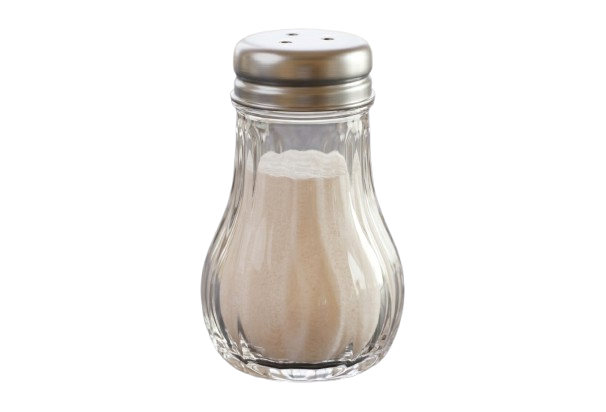
A silent killer in your food attacks the heart without warning.
A recent study has shown that excessive sodium (table salt) intake increases the risk of heart failure by up to 15%.
Heart failure is defined as a medical condition in which the heart is unable to pump blood efficiently enough to meet the body’s needs for oxygen and nutrients.
Heart failure is usually caused by coronary artery disease, high blood pressure, the effect of diabetes on blood vessels, or weakness or enlargement of the heart muscle.
New study
A study published in March 2026 in the Journal of the American College of Cardiology was conducted on 25,306 male and female participants with an average age of 54 who had not previously suffered from heart failure.
The results showed that participants consuming approximately 4200 mg of sodium daily—compared to the recommended maximum of 2300 mg—was associated with a 15% increased risk of developing new cases of heart failure. The researchers stated that reducing sodium intake lowers the risk burden of heart failure.
Lead author Deepak Gupta, an associate professor and director of the Vanderbilt Center for Clinical Cardiovascular Outcomes Research and Trials Evaluation, noted that the average sodium intake was 4,269 mg per day, and during a 9-year follow-up, 27.8% of participants developed heart failure.
The study also showed that a 1000 mg/day increase in sodium consumption is associated with an 8.11% higher risk of developing the disease, regardless of diet, calories, physical activity, or blood lipid levels.
The study noted that reducing salt consumption to 4,000 mg per day or less could reduce heart failure cases by 6.6% over 10 years, which translates to a decrease in deaths from heart failure and savings of about $2 billion annually on US national health spending.
How does salt affect the heart and arteries?
Speaking to Al Jazeera Net, cardiovascular specialist Mahmoud Bahbah from Saudi Arabia explained that the relationship between sodium consumption and heart disease is strong.
Heart failure means a decrease in the efficiency of the heart muscle, and its symptoms begin gradually with chest pain and shortness of breath upon exertion, which reduces the patient’s ability to perform his daily tasks, and may develop into a complete blockage of the arteries and the occurrence of heart attacks.
Bahbah added that common causes of heart failure include coronary artery disease or strokes, and that excessive sodium accelerates atherosclerosis, leading to damage to blood vessels, dysfunction of their lining, and increased inflammation, which raises blood pressure and affects the coronary arteries.
He pointed out that the most prominent effect of salt is increased fluid retention in the body, which puts a strain on the heart muscle while pumping blood, increases peripheral vascular resistance and raises blood pressure, exacerbating the risk of heart failure.
advice
Cardiologist Mahmoud Bahbah advised reducing daily sodium intake from table salt and partially replacing it with potassium salt, cautiously and in low doses, as potassium salt works to expel sodium from the blood and widen blood vessels, which improves heart function and lowers high blood pressure.
However, excessive use may cause heart rhythm disturbances, especially in kidney failure patients who find it difficult to get rid of it.
Heart failure is often attributed to modifiable risk factors such as high blood pressure, diabetes, obesity, and lack of physical activity, suggesting it is largely preventable. In the United States, the greatest burden of heart failure is concentrated in the Southeast.
The Southern Community Cohort Study (SCCS), which included low-income individuals, Black people, and women, showed high rates of heart failure and varying impacts of modifiable risk factors on its development.
For example, high blood pressure and diabetes are closely linked to the risk of developing the disease, while adherence to healthy dietary patterns has not shown a clear effect.
Sodium is an essential nutrient, but most people consume excessive amounts. Reducing sodium intake compared to a typical diet can lower blood pressure and reduce the risk of hypertension.
However, studies on the relationship between sodium intake and heart failure are still limited, which prompted the researchers in the SCCS study to examine the risk of heart failure associated with dietary sodium and estimate the percentage attributable to the population (Population Attributable Fraction – PAF).
References
Locations
Topics
- From a Harvard expert: 6 “effective” daily tips to slow down aging 1882 January 22, 2026
- A silent killer in your food attacks the heart without warning. 556 April 7, 2026
- Preschoolers’ Solitary Screen Time Could Mean Behavior Problems, Language Difficulties Later On 552 April 8, 2026
- Essential vitamins for women’s health at different ages 550 April 8, 2026
- Long COVID Linked to Heart Health Risks 541 April 8, 2026