

Celiac Disease Screening
- Home
- Health Screening & Checkup
- Celiac Disease Screening
- What is a celiac disease screening?
- What is it used for?
- Why do I need a celiac disease screening test?
- What happens during a celiac disease screening test?
- Will I need to do anything to prepare for the test?
- Are there any risks to the test?
- What do the results mean?
- Is there anything else I need to know about a celiac disease test?
A celiac disease screening is a blood test that looks for signs that you may have celiac disease, an autoimmune disorder that causes a serious allergic reaction to gluten. Gluten is a protein found in wheat, barley, rye and other grains. It may also be found in other products like vitamins and supplements, hair and skin products, toothpaste, and lip balm.
This test can tell if you have celiac disease by looking for antibodies to gluten in your blood. Antibodies are disease-fighting substances made by the immune system.
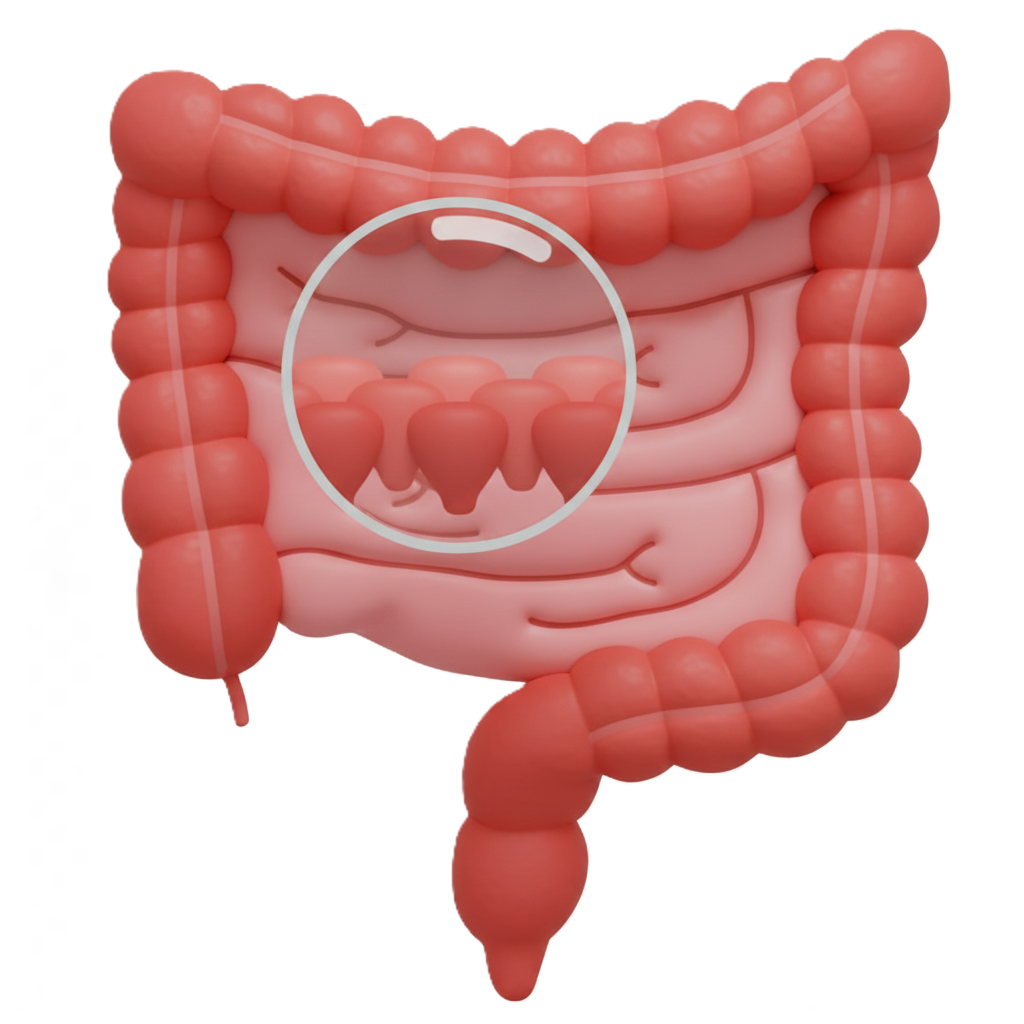
Normally, your immune system makes antibodies to fight foreign substances like viruses and bacteria. But if you have celiac disease, your immune system does this whenever you eat or drink gluten. This can cause your antibodies to attack the lining of the small intestine, where cells called villi absorb nutrients from the food that you eat. Repeated attacks will damage these cells making nutrient-absorption much more difficult.
Other names: celiac disease antibody test, anti-tissue transglutaminase antibody (anti-tTG), deaminated gliadin peptide antibodies, anti-endomysial antibodies
A celiac disease test is used to:
- Help diagnose celiac disease.
- Monitor celiac disease.
- See if a gluten-free diet is relieving symptoms of celiac disease.
Your health care provider may use a different type of test to measure different antibodies in your blood. The most common tests include:
- Tissue transglutaminase antibody (tTG), IgA test. This type looks for the tTG antibody and for immunoglobulin A, another antibody your body makes to fight germs. It is also the most commonly used test type.
- Immunoglobulin A (IgA) test. This type specifically checks to see if you have a deficiency in the IgA antibody, which can happen in those with celiac disease.
- Immunoglobulin G (IgG) Test. This type specifically checks to see if you have high levels of IgG, which can be a sign of celiac disease.
- Deamidated gliadin peptide (DGP) antibodies test. This type is often used if you have low IgA and for children younger than 2 years old.
You may need a celiac disease test if you have symptoms of celiac disease. Symptoms are different for children and adults.
Symptoms of celiac disease in children include:
- Nausea and vomiting
- Abdominal (belly) bloating
- Constipation
- Chronic diarrhea and foul-smelling stool (poop)
- Weight loss and/or failure to gain weight
- Delayed puberty
- Irritable behavior
Because celiac disease damages the digestive system over time, symptoms of celiac disease in adults often include digestive problems such as:
- Nausea and vomiting
- Chronic diarrhea
- Unexplained weight loss
- Decreased appetite
- Abdominal (belly) pain
- Bloating and gas
Digestive symptoms are also common in people with gluten sensitivity and wheat allergies. But celiac disease is different than these conditions. They can cause similar symptoms, but celiac disease is the only one that damages the small intestine.
Many adults with celiac disease may also have symptoms that are not related to digestion. These include:
- Iron-deficient anemia
- An itchy rash called dermatitis herpetiformis
- Mouth sores
- Bone loss
- Depression or anxiety
- Fatigue
- Headaches
- Missed menstrual periods
- Tingling in the hands and/or feet
You may need a celiac test if you are at higher risk of having the disease, even if you don’t have symptoms. You are more likely to have celiac disease if a close family member has celiac disease. You may also be at higher risk if you have another autoimmune disorder, such as type 1 diabetes.
A health care professional will take a blood sample from a vein in your arm, using a small needle. After the needle is inserted, a small amount of blood will be collected into a test tube or vial. You may feel a little sting when the needle goes in or out. This usually takes less than five minutes.
If the test is being used to diagnose celiac disease, you’ll need to continue to eat foods with gluten for a few weeks before testing. Your provider will give you specific instructions about how to prepare for the test.
If the test is being used to monitor celiac disease, you don’t need any special preparations.
There is very little risk to having a blood test. You may have slight pain or bruising at the spot where the needle was put in, but most symptoms go away quickly.
Typical results may show one of the following:
- Negative: You probably don’t have celiac disease.
- Positive: You probably do have celiac disease.
- Uncertain or indeterminate: It’s unclear whether you have celiac disease.
If your results were positive or uncertain, your provider may order other tests to confirm that you have celiac disease and/or to see how much damage the disease may have caused. These tests may include:
- A biopsy to examine a tissue sample from your small intestine or your skin if you have a rash that could be from celiac disease. An endoscopy is used to take a sample of tissue from your small intestine.
- Capsule endoscopy to look at your small intestine. For this test, you swallow a tiny camera in a capsule. As it passes through your small intestine, it records pictures. The camera leaves your body during a bowel movement (poop).
- Genetic testing to see if you have a gene linked to celiac disease.
- Tests for other health problems that celiac disease may cause such as anemia, osteoporosis, or a lack of certain vitamins.
Most people with celiac disease can reduce and often eliminate symptoms if they keep a strict gluten-free diet. Although many gluten-free products are available today, it can still be challenging to completely avoid gluten. Your provider may refer you to a dietician (a nutrition expert) who can help you enjoy a healthy diet without gluten.
References
- Celiac Disease Foundation [Internet]. Woodland Hills (CA): Celiac Disease Foundation; c1998-2025. Celiac Disease Testing; [cited 2025 Jun 12]; [about 14 screens]. Available from: https://celiac.org/about-celiac-disease/screening-and-diagnosis/screening/
- Celiac Disease Foundation [Internet]. Woodland Hills (CA): Celiac Disease Foundation; c1998-2025. Celiac Disease Diagnosis; [cited 2025 Jun 12]; [about 14 screens]. Available from: https://celiac.org/about-celiac-disease/screening-and-diagnosis/diagnosis/
- Celiac Disease Foundation [Internet]. Woodland Hills (CA): Celiac Disease Foundation; c1998-2025. Symptoms of Celiac Disease; [cited 2025 Jun 12]; [about 7 screens]. Available from: https://celiac.org/about-celiac-disease/symptoms-of-celiac-disease/
- Maglio M, Troncone R. Intestinal Anti-tissue Transglutaminase2 Autoantibodies: Pathogenic and Clinical Implications for Celiac Disease. Front Nutr. 2020 May 29; [cited 2025 Jun 12]; 7:73. doi: 10.3389/fnut.2020.00073. PMID: 32548124; PMCID: PMC7273338. Available from: https://pmc.ncbi.nlm.nih.gov/articles/PMC7273338/
- Mayo Clinic [Internet]. Mayo Foundation for Medical Education and Research; c1998-2025. Celiac Disease: Diagnosis and Treatment; 2023 Sep 12 [cited 2025 Jun 12]; [about 15 screens]. Available from: https://www.mayoclinic.org/diseases-conditions/celiac-disease/diagnosis-treatment/drc-20352225
- Mayo Clinic [Internet]. Mayo Foundation for Medical Education and Research; c1998-2025. Celiac Disease: Symptoms and Causes; 2023 Sep 12 [cited 2025 Jun 12]; [about 12 screens]. Available from: https://www.mayoclinic.org/diseases-conditions/celiac-disease/symptoms-causes/syc-20352220
- Merck Manual Consumer Version [Internet]. Kenilworth (NJ): Merck & Co. Inc.; c2025. Celiac Disease; [updated 2025 Apr; cited 2025 Jun 12]; [about 5 screens]. Available from: https://www.merckmanuals.com/home/digestive-disorders/malabsorption/celiac-disease
- National Institute of Diabetes and Digestive and Kidney Diseases [Internet]. Bethesda (MD): U.S. Department of Health and Human Services; Definitions and Facts for Celiac Disease;[reviewed 2020 Oct; cited 2022 Jun 21]; [about 4 screens]. Available from: https://www.niddk.nih.gov/health-information/digestive-diseases/celiac-disease/definition-facts
- National Institute of Diabetes and Digestive and Kidney Diseases [Internet]. Bethesda (MD): U.S. Department of Health and Human Services; Treatment for Celiac Disease; [reviewed 2020 Oct; cited 2025 Jun 12]; [about 4 screens]. Available from: https://www.niddk.nih.gov/health-information/digestive-diseases/celiac-disease/treatment
- Testing.com [Internet]. Seattle (WA): OneCare Media; c2025. Autoantibodies; [modified 2021 Nov 9; cited 2025 Jun 12]; [about 7 screens]. Available from: https://www.testing.com/tests/autoantibodies/
- Testing.com [Internet]. Seattle (WA): OneCare Media; c2025. Celiac Disease Antibody Tests; [modified 2022 Nov 15; cited 2025 Jun 12]; [about 16 screens]. Available from: https://www.testing.com/tests/celiac-disease-antibody-tests/
Related Topics

Other Specialities
Stay away from bad habits
Health Screening & Checkup
Screenings are tests that look for diseases before you have symptoms. Screening tests can find diseases early, when they're easier to treat.
Book your appointment TODAY!
Search on the closest Doctor to your location and book based on specialty. EARN 10 POINTS more with CuraPOINT.
BOOK-
Find a healthcare provider near you
-
Call for support
-
Feel free to message us!
About Us
Curafile is a Medical Cyclopedia, biggest Healthcare Curated Network Globally, serves citizens, service providers in one place.
- Estonia - Qatar
Jordan - Saudi Arabia