|
Chickenpox
|
Chickenpox is a contagious viral infection that causes fever, headache, and an itchy, blistering rash; spread through air and direct contact. Can cause infected sores, brain swelling, infection of the lungs (pneumonia), and can be life-threatening, especially in babies, adolescents, adults, pregnant women, and people with weakened immune systems.
|
• 1st dose: 12-15 months
• 2nd dose: 4-6 years
|
|
COVID-19
|
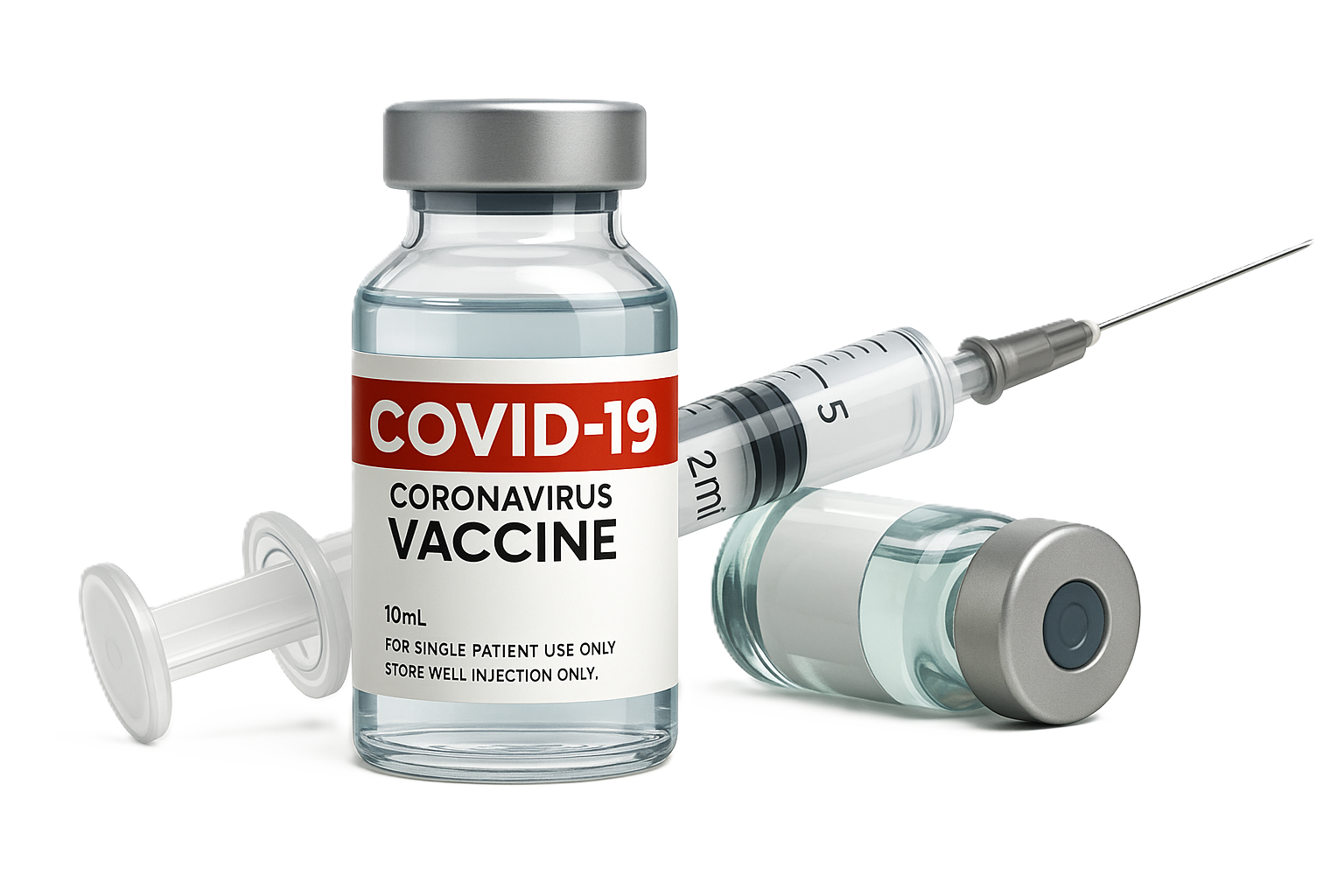
COVID-19 is a contagious viral infection of the nose, throat, or lungs; may feel like a cold or flu. Spread through air and direct contact. Can cause infection of the lungs (pneumonia); blood clots; liver, heart, or kidney damage; Long COVID, and can be life-threatening
|
Parents of children ages 6 months to 17 years should discuss the benefits of vaccination with a health care provider
|
|
Diphtheria
|
Diphtheria is a contagious bacterial infection of the nose, throat, and sometimes lungs; spread through droplets in the air and direct contact. Can cause thick coating in the back of the nose or throat making it hard to breath and swallow. Can cause heart muscle damage, heart failure, nerve damage, and can be life-threatening.
|
One dose of DTaP at each of the following ages:
• 1st dose: 2 months
• 2nd dose: 4 months
• 3rd dose: 6 months
• 4th dose: 15-18 months
• 5th dose: 4-6 years
One dose of Tdap at the following ages:
• 1st dose:11 or 12 years
|
|
Flu (Influenza)
|
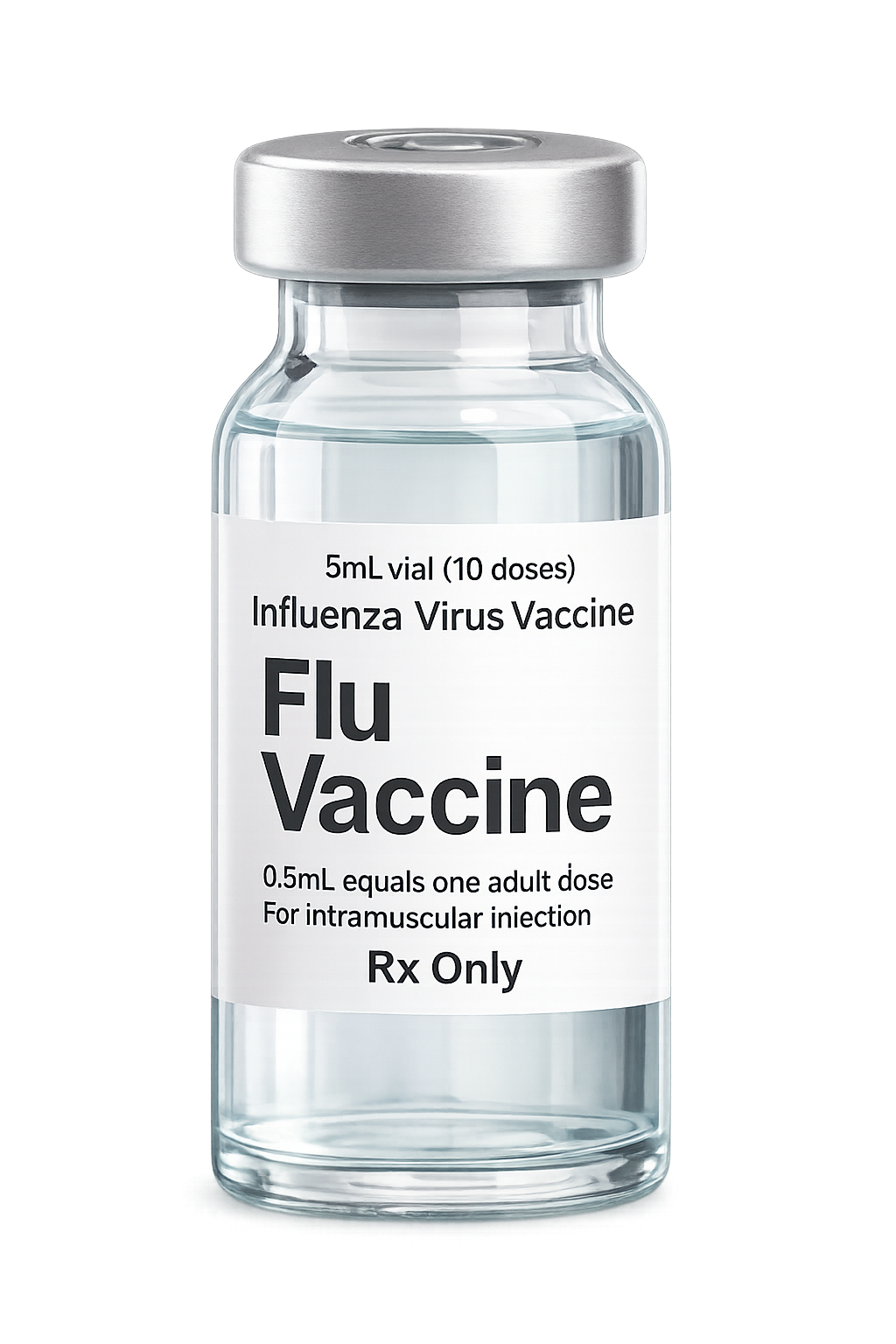
Influenza (Flu) is a contagious viral infection of the nose, throat, and sometimes lungs; spread mostly through droplets in the air. Can cause infection of the lungs (pneumonia), sinus and ear infections, worsening of underlying conditions, and can be life-threatening.
|
Doctors recommend that your child get a flu vaccine every year in the fall, starting when he or she is 6 months old. Some children 6 months through 8 years of age may need 2 doses for best protection.
|
|
Hepatitis A
|
Hepatitis A is a contagious viral infection of the liver; spread by contaminated food or drink or close contact with an infected person. Can cause liver failure and can be life-threatening. Children with the virus often don't have symptoms, but they often pass the disease to others, including unvaccinated parents, caregivers, sibling, or older children. These individuals can get very sick, and symptoms can last up to 6 months.
|
One dose at each of the following ages:
• 1st dose: 12-23 months
• 2nd dose: 6 months after last dose
|
|
Hepatitis B
|
Hepatitis B is a contagious viral infection of the liver; spread through contact with infected body fluids such as blood or semen. Can cause chronic liver infection, liver failure, liver cancer, and can be life-threatening.
|
One dose at each of the following ages:
• 1st dose: shortly after birth
• 2nd dose: 1-2 months
• 3rd dose: 6-18 months
|
|
Hib (Haemophilus influenza type B)
|
Hib Disease is a contagious bacterial infection of the lungs, brain and spinal cord, or bloodstream; spread through droplets in the air and direct contact. Depends on the part of the body infected, but can cause brain damage, hearing loss, loss of arm or leg, and can be life-threatening. Babies and children younger than 5 years old are most at risk for Hib disease.
|
One dose at each of the following ages:
• 1st dose: 2 months
• 2nd dose: 4 months
• 3rd dose: 6 months for some brands
• 4th dose: 12-15 months
|
|
HPV (Human Papillomavirus)
|
HPV (Human papillomavirus) is a contagious viral infection spread through intimate skin-to-skin contact. Can cause genital warts and many types of cancers later in life, including cancers of the cervix, vagina, penis, anus, and throat.
|
When should my child get the shot?
(11-12 Years)
• Two doses of the HPV shot are needed, 6-12 months apart.
• If the shots are given less than 5 months apart, a 3rd dose is needed.
If started after 15th birthday
• Three doses of the HPV shot should be given over 6 months.
• If your teen hasn't gotten the vaccine yet, talk to his/her doctor about getting it as soon as possible.
|
|
Measles
|
Measles is a very contagious viral infection that causes high fever, rash, cough, red eyes, and runny nose; spread through air and direct contact. Can cause brain swelling, infection of the lungs (pneumonia), and can be life-threatening especially for young children and babies.
|
One dose at each of the following ages:
• 1st dose: 12-15 months
• 2nd dose: 4-6 years
|
|
Meningococcal
|
Meningococcal Disease is a contagious bacterial infection of the lining of the brain and spinal cord or the bloodstream; spread through droplets in the air and direct contact. Can cause loss of arm or leg, deafness, seizures, and can be life-threatening.
|
One dose at each of the following ages:
• 1st dose: 11-12 years
• 2nd dose: 16 years
|
|
Mumps
|
Mumps is a contagious viral infection that causes fever, tiredness, swollen cheeks, and tender swollen jaw; spread through air and direct contact. Can cause brain swelling, painful and swollen testicles or ovaries, deafness, and in rare cases can be life-threatening.
|
One dose at each of the following ages:
• 1st dose: 12-15 months
• 2nd dose: 4-6 years
|
|
Polio
|
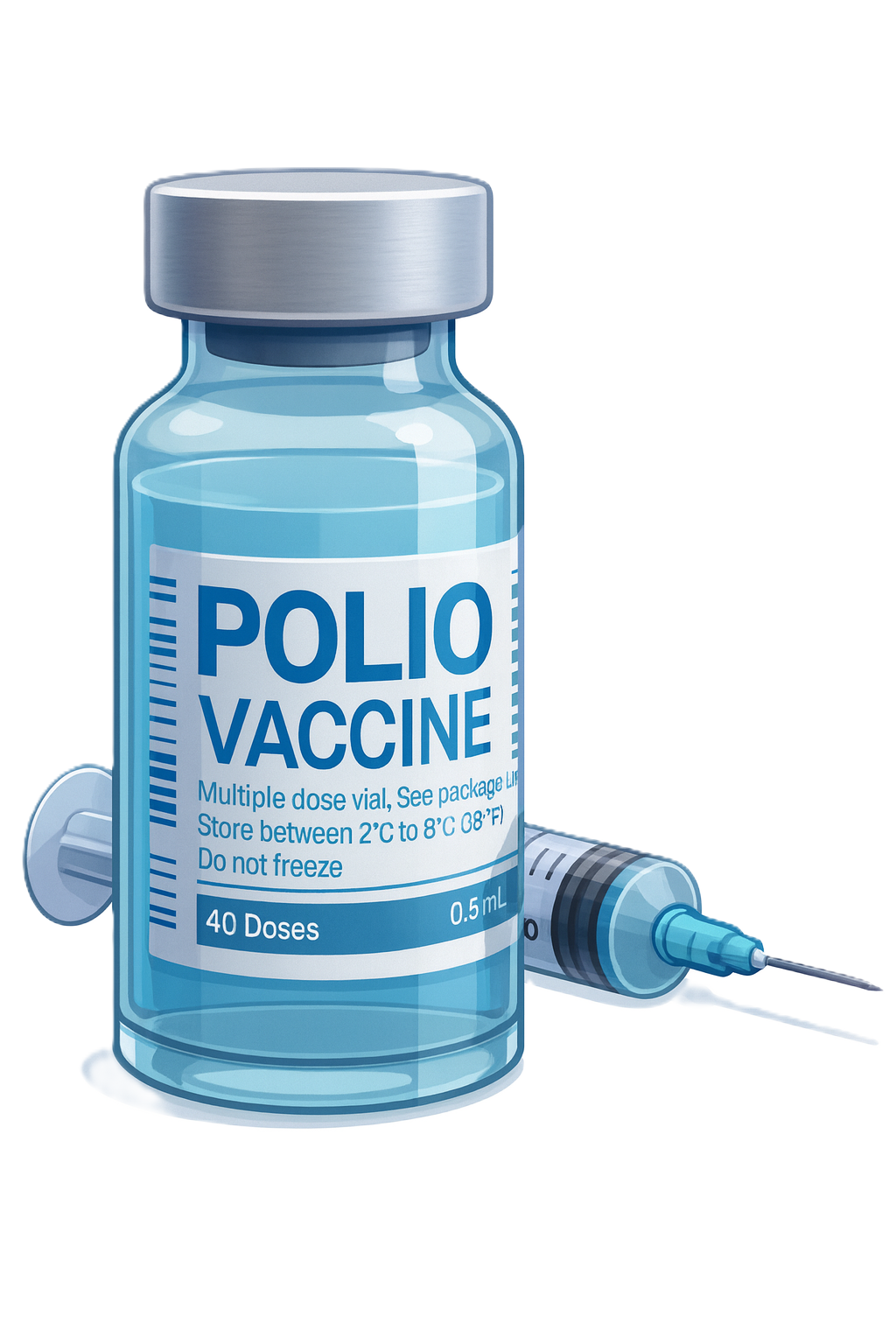
Polio is a contagious viral infection of nerves and brain; spread through the mouth from stool on contaminated hands, food, or liquid, and by air and direct contact. Can cause paralysis and can be life-threatening.
|
One dose at each of the following ages:
• 1st dose: 2 months
• 2nd dose: 4 months
• 3rd dose: 6-18 months
• 4th dose: 4-6 years
|
|
Pneumococcal
|
Pneumococcal Disease is a bacterial infection of ears, sinuses, lungs, or bloodstream; spread through droplets in the air and direct contact. Depends on the part of the body infected but can cause infection of the lungs (pneumonia), blood poisoning, infection of the lining of the brain and spinal cord, deafness, brain damage, loss of arms or legs, and can be life-threatening.
|
One dose at each of the following ages:
• 1st dose: 2 months
• 2nd dose: 4 months
• 3rd dose: 6 months
• 4th dose: 12-15 months
|
|
Rotavirus
|
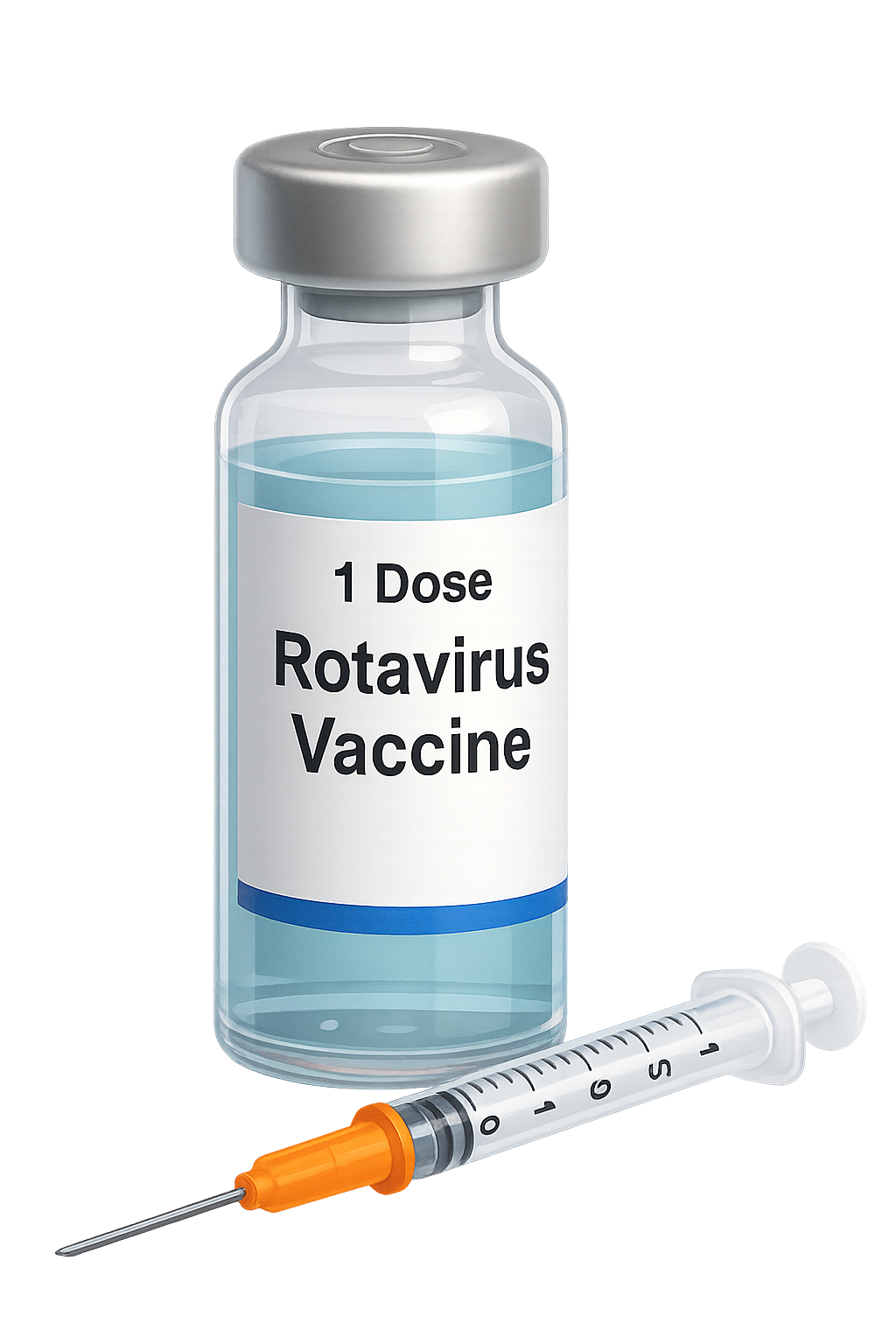
Rotavirus is a contagious viral infection of the gut; spread through the mouth from hands and food contaminated with stool. Can cause severe diarrhea, vomiting, fever, dehydration, and can be life-threatening especially for young children and babies.
|
Your baby should get either of the two available rotavirus vaccines:
• RotaTeq® (RV5) is given in three doses at ages 2 months, 4 months, and 6 months
• Rotarix® (RV1) is given in two doses at ages 2 months, and 4 months
|
|
RSV
|
Respiratory syncytial virus (RSV) is a contagious viral infection of the nose, throat, and sometimes lungs; spread through direct contact and droplets in the air. Can cause infection of the lungs (pneumonia) and small airways of the lungs, which is especially dangerous for infants and young children.
|
CDC recommends RSV immunizations during specific months to maximize protection during RSV season.
|
|
Rubella
|
Rubella is a contagious viral infection that causes low-grade fever, sore throat, and rash; spread through air and direct contact. Rubella is usually mild in children but is very dangerous for pregnant women; can cause miscarriage or stillbirth, premature delivery, severe birth defects and can be life-threatening.
|
One dose at each of the following ages:
• 1st dose: 12-15 months
• 2nd dose: 4-6 years
|
|
Tetanus
|
Tetanus (Lockjaw) is a bacterial infection of brain and nerves caused by spores commonly found in soil, dust, and manure; spores enter the body through wounds or broken skin. Can cause seizures, broken bones, difficulty breathing, and can be life-threatening.
|
One dose of DTAP at each of the following ages:
• 1st dose: 2 months
• 2nd dose: 4 months
• 3rd dose: 6 months
• 4th dose: 15-18 months
• 5th dose: 4-6 years
One dose of Tdap at the following ages:
• 11-12 years
|
|
Whooping Cough (Pertussis)
|
Pertussis (Whooping Cough) is a contagious bacterial infection of the lungs and airway; spread through droplets in the air and direct contact. Can cause infection of the lungs (pneumonia), seizures, brain damage, and can be life-threating especially for babies.
|
One dose of DTAP at each of the following ages:
• 1st dose: 2 months
• 2nd dose: 4 months
• 3rd dose: 6 months
• 4th dose: 15-18 months
• 5th dose: 4-6 years
One dose of Tdap at the following ages:
• 11-12 years
|